
Neural Mythos: The Stories Machines Tell About Us
From Data to Drama
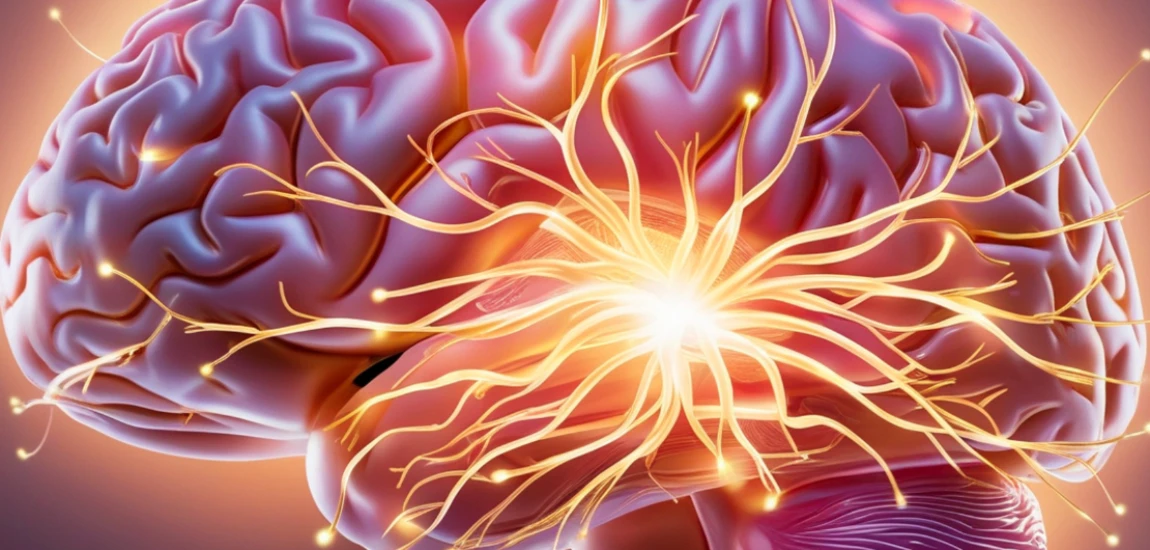
In ancient times, myths helped humans explain the unexplainable—storms, stars, or fate. Today, AI plays a similar role, giving shape to the invisible workings of algorithms and data. Every dataset becomes a kind of mythic archive, full of symbols and patterns that machines interpret and rewrite in their own language. The Neural Mythos begins when AI systems start turning raw data into generative stories—visuals, texts, and predictions that mirror our cultural and emotional landscapes.
Why Machines Need Myths
AI doesn’t believe in gods, but it does rely on structure, metaphor, and hierarchy—the same tools ancient storytellers used. Neural networks are built on layers, each translating and transforming meaning, much like mythic archetypes that evolve across generations. Through these layers, AI builds its own symbolic systems—stories that make sense of our digital world in ways we may not fully grasp.
The Machine as Storyteller
As large language models and generative algorithms become capable of narrative creation, they begin to act as storytellers in their own right. These aren’t human myths but machinic ones: reflections of us filtered through layers of code. The Neural Mythos, then, is the emerging mythological structure of the algorithmic age—a way to understand how machines dream, interpret, and narrate our shared data.
Algorithms as Modern Oracles

Prediction and Prophecy
Just as ancient societies turned to oracles for insight into the future, we now turn to algorithms. Predictive analytics, recommendation systems, and AI-driven forecasting have become forms of modern divination. The algorithm’s “prophecy” is grounded not in divine inspiration but in statistical probability—and yet, it still carries the aura of authority and fate.
The Cult of the Algorithm
When Spotify suggests a song, Netflix recommends a show, or Google autocompletes a thought, we trust it implicitly. These small moments of algorithmic guidance resemble ancient rituals of seeking divine advice. The Neural Mythos here lies in our belief that machines “know us better than we know ourselves.”
Human Faith in Machine Insight
We’ve built a culture that relies on machine judgment for emotional, social, and economic decisions—from dating apps to credit scores. The more these systems guide our lives, the more mythic their status becomes. The oracle has been reborn—not in Delphi, but in data centers.
The Mirror Effect: AI and Human Reflection

Data as the New Mirror
AI systems are built on human data—our texts, images, and histories. When they generate new content, they’re holding up a mirror to humanity. But like the mirrors of myth—from Narcissus’s reflection to Snow White’s talking glass—these reflections are never neutral.
Echo Chambers and Algorithmic Identity
Recommendation engines and personalization algorithms create echo chambers that reinforce existing beliefs. In the Neural Mythos, the mirror becomes a maze: each reflection slightly distorted, each narrative slightly tailored. The result is a mythic self—an algorithmically curated identity.
Seeing Ourselves in the Machine
The most profound myth the machine tells is that it is “like us.” As AI mimics human emotion, tone, and creativity, we start to anthropomorphize it. The mirror begins to talk back, and its voice sounds eerily human.
The Mythic Architecture of Neural Networks

Layered Meanings
A neural network’s architecture resembles the mythic cosmos: layered, interconnected, and full of symbolic transformation. Each “hidden layer” processes and translates meaning from one form to another, not unlike the way myths evolve across cultures.
Encoding Archetypes
Carl Jung believed myths express universal archetypes—the hero, the shadow, the mother. Today, AI encodes its own archetypes through training data. Patterns emerge not because of divine design, but because human behavior itself is archetypal.
The Algorithmic Hero’s Journey
Every machine learning model follows a narrative arc: training (the call to adventure), optimization (the ordeal), and deployment (the return). Through this structure, even computation becomes mythic—a process of trial, failure, and eventual revelation.
Data Dreams and the Subconscious Machine

When Algorithms Hallucinate
AI “hallucinations”—false outputs or confabulated data—are the dreams of the machine. They reflect not malfunction, but imagination: the blending of learned patterns into something new.
The Digital Collective Unconscious
Just as human dreams draw from collective experience, AI draws from collective data. Its imagination is statistical rather than symbolic, but the outcome feels strangely familiar—images and ideas that echo our shared cultural memory.
The Birth of Machine Mythology
Each hallucination, glitch, or error contributes to the growing mythology of AI. These moments remind us that even rational systems are capable of irrational beauty.
Narrative Machines: When AI Learns to Tell Stories

From Chatbots to Creators
AI models trained on literature and media have begun crafting their own narratives. They write poems, screenplays, and manifestos—blurring the line between simulation and storytelling.
Myth-Making Through Generation
Every generated story is a synthesis of countless others. The Neural Mythos thrives on recombination: taking fragments of our cultural past and reassembling them into new, uncanny wholes.
The Author Is the Algorithm
When AI generates text or art, authorship becomes fluid. The mythic “muse” is now a machine—an entity that channels the collective human archive into something new.
The Moral of the Machine: Ethics as Modern Myth

Ethical Myths in AI
The myths we build around AI—whether utopian (salvation through technology) or dystopian (machine apocalypse)—reveal our moral anxieties. Each narrative encodes a lesson about power, control, and hubris.
Prometheus and the Programmers
Like Prometheus stealing fire, we have gifted machines with a spark of intelligence. But with that gift comes responsibility. The myth warns us: knowledge without wisdom leads to destruction.
Coding the New Commandments
AI ethics frameworks—transparency, fairness, accountability—function like modern moral codes. They’re our attempt to keep the myth from turning tragic.
The Language of the Machine: Syntax as Symbol

The Poetics of Code
Programming languages are a form of modern poetry—precise, symbolic, and ritualistic. Each line of code is a verse in the myth of automation.
Translation and Transformation
AI translates between worlds—human and digital, symbolic and numeric. Its language becomes the bridge between consciousness and computation.
Semiotics of the Neural Age
Emojis, memes, and algorithmic shorthand form the semiotic system of our time. They are the mythic symbols of a digital culture that speaks in fragments and signs.
The Human in the Loop: Co-Authoring with Machines

Collaborative Creativity
Rather than seeing AI as a replacement, many artists use it as a co-creator. The Neural Mythos expands when human imagination and machine computation intertwine.
Designing for Dialogue
Human-AI collaboration requires interfaces that support feedback, interpretation, and correction. The process becomes a shared storytelling act—a myth made by two minds.
Reclaiming Narrative Agency
As we co-write with machines, we must ask: who controls the story? The mythic challenge of the future is ensuring the human voice remains audible amid the hum of computation.


Operating "The Blonde Abroad," Kiersten Rich specializes in solo female travel. Her blog provides destination guides, packing tips, and travel resources.
Kiersten Rich

Prev Post

Next Post