
Neural Aesthetics: Designing for the Subconscious Mind
Understanding Neural Aesthetics
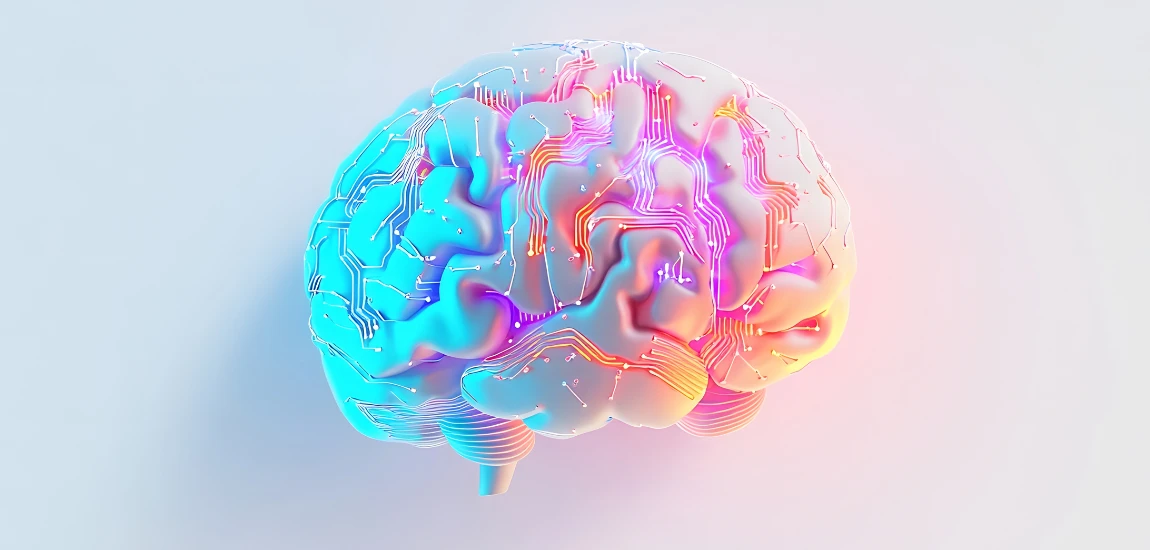
Neural aesthetics examines how the human brain perceives, processes, and emotionally responds to design elements such as color, shape, sound, and symmetry. Unlike traditional aesthetics rooted in subjective taste, neural aesthetics is grounded in neuroscience and cognitive psychology. It studies how sensory information triggers subconscious emotional responses, shaping our perception of beauty and meaning. This field is not just about what looks good—it’s about what feels right at a neural level.
The Role of the Subconscious in Design
Most of our responses to design happen below the threshold of conscious awareness. The subconscious mind interprets subtle cues—contrast, rhythm, balance, and movement—faster than the conscious mind can analyze them. This is why certain designs instantly feel calming, trustworthy, or exciting. Neural aesthetics allows designers to leverage this instinctive layer of perception, aligning creative intent with the brain’s natural processing patterns.
Beauty as a Cognitive Shortcut
Neuroscientists have found that beauty acts as a cognitive shortcut, helping the brain make faster judgments. When something appears harmonious or aesthetically pleasing, the brain perceives it as more reliable, credible, and valuable. This has profound implications in branding, user experience, and even product design, where subconscious appeal often determines conscious choice.
The Subconscious Mind as a Design Canvas

The Architecture of Emotion
Designers often speak about “emotional design,” but neural aesthetics goes a step further—it focuses on pre-emotional triggers, the sensory micro-signals that shape emotion before we even name it. A soft gradient might lower tension levels; a symmetrical layout might enhance feelings of trust. These elements tap into the subconscious mind’s preference for predictability and balance. The key is designing not for attention, but for emotional alignment.
Visual Language and Cognitive Resonance
Every color, form, and texture communicates subconsciously. For instance, cool tones can signal calmness, while warmer hues evoke excitement and urgency. Rounded shapes are associated with friendliness and safety; sharp edges, with strength or caution. Neural aesthetics decodes these visual languages to craft designs that resonate deeply without overwhelming the conscious mind. The result is a seamless emotional connection between the user and the design.
Subtlety Over Stimulation
In the digital world, overstimulation is common—pop-ups, bold animations, and loud visuals fight for attention. Neural aesthetics suggests the opposite: subtlety enhances subconscious engagement. The brain appreciates rhythm and familiarity. A well-balanced composition, consistent typography, and predictable visual flow create cognitive ease—what psychologists call processing fluency. When designs are easy to process, they feel intuitively “right.”
Neuroscience Meets Design: The Brain’s Rules of Engagement

The Reward System and Dopamine Design
At the intersection of neuroscience and design lies the concept of dopamine-driven experiences. The brain releases dopamine when it anticipates or experiences pleasure, reward, or novelty. Successful design taps into this reward system by providing small, satisfying interactions—like a button click that feels responsive or a micro-animation that rewards completion. Neural aesthetics teaches designers to choreograph these “dopamine loops” to maintain user engagement without manipulation.
Mirror Neurons and Empathy in Visual Design
Mirror neurons—brain cells that fire both when we act and when we observe—play a key role in emotional connection. This is why seeing a smiling face or calm expression in an image can subconsciously influence our own mood. Brands use this principle to project warmth, authenticity, or confidence through imagery and tone. Neural aesthetics leverages empathy as a design principle, allowing interfaces and visuals to “feel human.”
Memory, Repetition, and Pattern Recognition
The human brain thrives on pattern recognition. Familiar visual sequences and repeated motifs create a sense of comfort and predictability. This explains why minimalist layouts and consistent branding enhance trust—they align with the brain’s preference for recognizable order. Neural aesthetics blends pattern familiarity with slight novelty to keep the brain engaged while maintaining emotional stability.
Designing for the Subconscious in the Digital Age

The Interface as an Extension of the Mind
Digital interfaces have become cognitive environments—spaces where users think, decide, and feel. Neural aesthetics reframes interface design as neural choreography, where every movement, transition, and texture communicates subconsciously. Smooth animations reduce cognitive friction; responsive feedback creates a sense of control; intuitive navigation reduces anxiety. When interfaces mirror how the mind naturally operates, users feel at ease without knowing why.
Personalization and Predictive Design
Algorithms now track user behavior to tailor design experiences in real time. While this can enhance relevance, it also plays into subconscious expectations. A personalized homepage that “feels right” is often the result of neural aesthetics aligned with predictive algorithms. The system learns what the brain finds pleasing and serves more of it. Designers must balance personalization with novelty—keeping the experience emotionally engaging without becoming manipulative.
Beyond Visuals: Multisensory Design
Neural aesthetics extends beyond sight. Sound, texture, and even haptic feedback influence how we perceive digital experiences. Soft sounds can create calmness; gentle vibrations can enhance physical presence in virtual interfaces. The future of neural design will likely involve multisensory synchronization, blending sight, sound, and touch to create holistic, subconscious engagement.
Ethical Design: Influence, Manipulation, and the Moral Brain

The Fine Line Between Persuasion and Manipulation
Designing for the subconscious mind brings ethical responsibility. The same principles that make experiences pleasurable can also be used to exploit attention and emotion. Persuasive design becomes problematic when it overrides autonomy—pushing users toward actions they wouldn’t consciously choose. Neural aesthetics must, therefore, be grounded in transparency and empathy.
Emotional Sustainability
Not all emotional engagement is healthy. Overstimulating designs—like addictive scrolling or infinite feeds—can hijack dopamine systems, leading to fatigue and dependency. Ethical neural aesthetics aims for emotional sustainability: creating experiences that satisfy, not drain, the mind. Calming interfaces, balanced color schemes, and mindful UX rhythms foster healthier digital habits.
Designing for Trust and Well-Being
The subconscious mind is sensitive to signals of safety and trust. Smooth transitions, accessible language, and consistent design patterns make users feel grounded. Neural aesthetics provides tools to design digital environments that reduce anxiety and foster clarity. In this sense, good design becomes a form of cognitive care—an interface between technology and emotional well-being.


Kate McCulley, the voice behind "Adventurous Kate," provides travel advice tailored for women. Her blog encourages safe and adventurous travel for female readers.
Kate McCulley

Prev Post

Next Post