
Music Industry Trends & Artist Spotlights
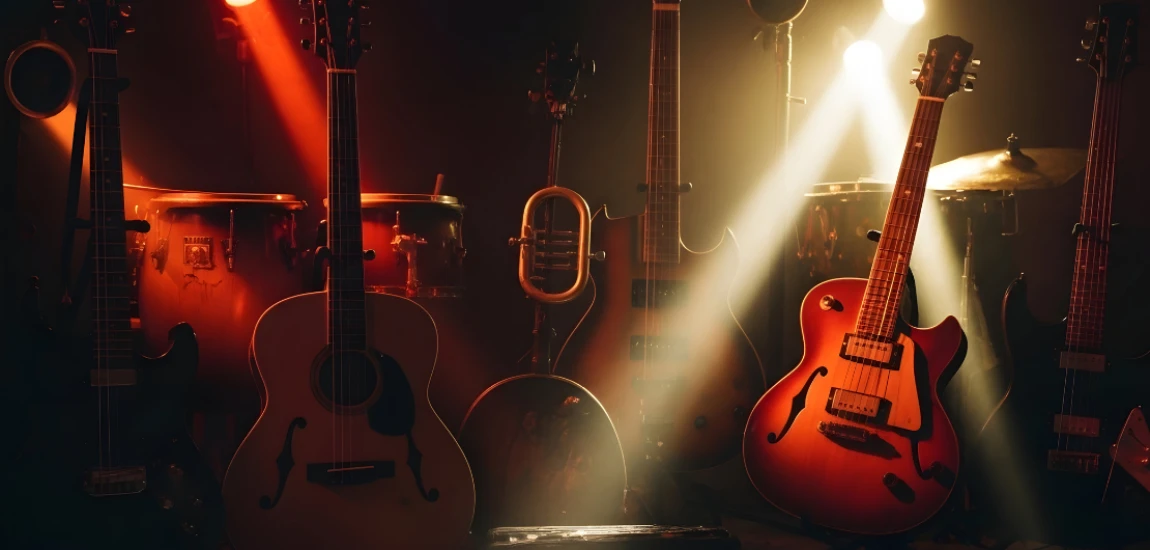
The global music industry is undergoing a dramatic transformation driven by digital platforms, cultural shifts, and changing listener behavior. Traditional gatekeepers no longer control which artists succeed. Instead, algorithms, social media, and direct fan engagement are shaping careers in real time. These shifts are not just redefining how music is distributed, but how it is created, marketed, and consumed.
Understanding music industry trends and artist spotlights is essential for fans, creators, and industry professionals alike. From viral hits born on short-form video platforms to independent artists building global audiences without labels, the industry is becoming more diverse, accessible, and unpredictable.
This article explores the most important trends shaping today’s music landscape while spotlighting the strategies artists are using to thrive in a competitive digital era.
The Evolution of Streaming and Digital Consumption

From Ownership to Access
Streaming platforms have shifted music consumption from ownership to instant access. Listeners now prioritize convenience, curated playlists, and personalized discovery over physical albums or downloads.
Algorithm-Driven Discovery
Algorithms play a major role in breaking new artists. Playlist placements and recommendation engines can rapidly turn unknown musicians into global sensations.
Listener Behavior and Short Attention Spans
Modern audiences often engage with songs in fragments, favoring catchy intros and replayable hooks that perform well in digital ecosystems.
Streaming has reshaped revenue models, forcing artists to focus on volume, consistency, and audience engagement rather than traditional album cycles. While this has lowered barriers to entry, it has also increased competition, making visibility a central challenge for emerging talent.
The Rise of Independent and DIY Artists

Artists as Entrepreneurs
Today’s musicians are expected to manage branding, marketing, and distribution alongside creativity. Independent artists operate as small businesses, controlling their output and audience relationships.
Direct-to-Fan Platforms
Social platforms, mailing lists, and community tools allow artists to build loyal fan bases without intermediaries, strengthening long-term sustainability.
Creative Freedom vs Financial Risk
Independence offers artistic control, but also places financial and strategic responsibility on artists, requiring adaptability and business awareness.
This shift has democratized the industry, allowing diverse voices to gain recognition while redefining what success looks like beyond traditional chart metrics.
Social Media and Viral Music Culture

Short-Form Video Influence
Platforms built around short videos have become powerful music discovery engines, turning sound clips into cultural moments almost overnight.
Fan Participation and Remix Culture
Audiences actively participate in music promotion through challenges, remixes, and user-generated content, blurring the line between artist and fan.
Authenticity Over Perfection
Audiences increasingly value raw, authentic content over polished marketing, encouraging artists to show personality and vulnerability online.
Social media has transformed marketing into storytelling, where consistency and relatability often matter more than big budgets.
Genre Blending and Global Sounds

Cross-Genre Experimentation
Artists frequently blend pop, hip-hop, electronic, and traditional influences, creating hybrid sounds that appeal to diverse audiences.
Global Music Without Borders
Non-English music genres are reaching international audiences, proving that language is no longer a barrier to global success.
Cultural Representation and Identity
Artists increasingly incorporate heritage and identity into their sound, contributing to a richer, more inclusive music landscape.
These trends reflect a globalized industry where innovation thrives at the intersection of cultures and genres.


Gary Arndt operates "Everything Everywhere," a blog focusing on worldwide travel. An award-winning photographer, Gary shares stunning visuals alongside his travel tales.
Gary Arndt

Prev Post

Next Post