
Music Festivals in the Post-Digital Era
The Digital Transformation of Live Music
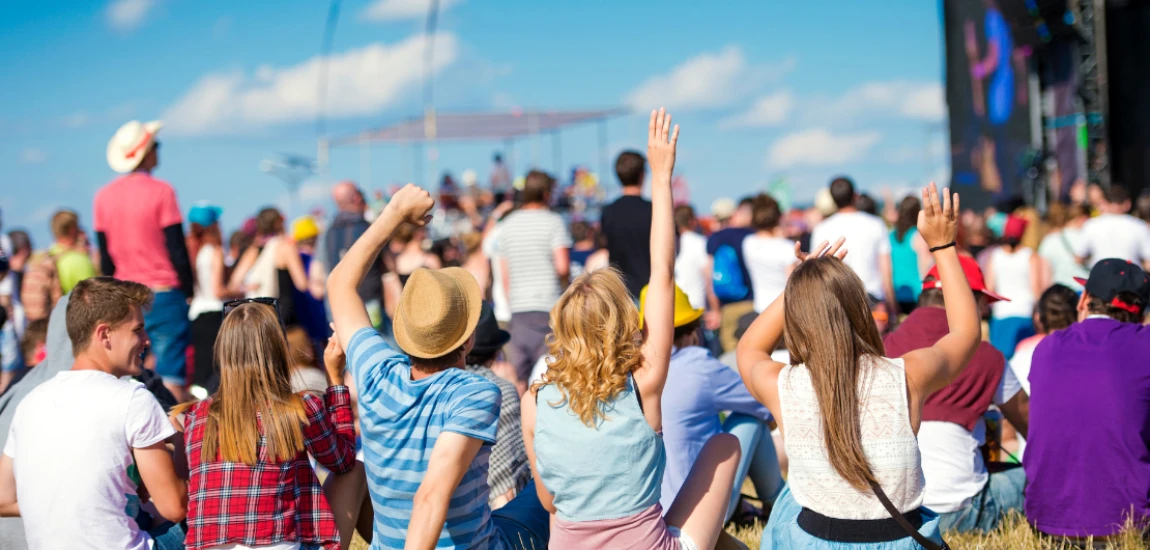
The digital age revolutionized how we experience music. From ticketing to streaming, festivals now operate within a highly connected ecosystem. Social media drives anticipation long before gates open, while event apps allow attendees to personalize their schedules and navigate sprawling grounds. Real-time analytics even help organizers adapt to crowd behavior, creating smoother, safer, and more dynamic experiences.
Yet, as festivals lean heavily on technology, they also face a paradox: how to preserve the spontaneous, human essence of live music in an increasingly data-driven environment. The challenge lies in using tech as an enhancer—not a replacement—for authentic, shared emotion.
The Rise of the Algorithmic Lineup
Today, music festivals are curated as much by algorithms as by humans. Platforms like Spotify and SoundCloud provide valuable audience insights that shape lineups and stage programming. Organizers use data on listening habits and engagement to predict crowd favorites, ensuring commercially viable bookings. However, this reliance on digital metrics risks homogenizing creativity. To balance economics and artistry, successful festivals blend algorithmic precision with curatorial intuition.
The Hybrid Audience: Physical and Digital Coexistence
The post-digital era introduced the concept of the “hybrid festival,” where the physical and virtual worlds merge. Livestreams, VR access, and social integrations mean that even fans who can’t attend physically can still experience performances in real time. The audience is no longer confined to the festival grounds—it’s global, interconnected, and interactive. This hybrid model ensures accessibility but also redefines what it means to “be there” in a shared musical moment.
Reclaiming the Human Connection in a Hyperconnected World

The Search for Presence and Authenticity
Ironically, the more connected we become online, the more we crave genuine, in-person experiences. Music festivals fulfill this desire by offering something digital life cannot: physical energy, sensory immersion, and communal emotion. In the post-digital age, festivals are no longer just about music—they’re sanctuaries of presence, where people disconnect from screens and reconnect with themselves and others.
Emotional Design and Immersive Spaces
Organizers are increasingly using design psychology to create spaces that evoke emotion and engagement. From interactive art installations to themed camps and sound baths, modern festivals craft multi-sensory experiences that transcend performance. These emotional touchpoints encourage mindfulness, creativity, and community—values often diluted in virtual spaces.
Communities Beyond the Festival Grounds
Social media and digital communities extend the life of festivals far beyond their weekend duration. Online groups, after-movies, and fan-generated content sustain engagement throughout the year. Yet, the real magic happens offline, in the momentary microcosm that forms during the event. In this sense, festivals in the post-digital era act as both social reset buttons and incubators for lasting human connection.
Technology as Performance: The Fusion of Art, AI, and Sound

AI-Generated Music and the Future of Performance
Artificial Intelligence is entering the stage—literally. Artists now collaborate with AI to compose, remix, and perform music in real time. Some festivals have introduced AI DJs and generative visuals that respond dynamically to crowd energy. This fusion of technology and artistry expands creative boundaries, blurring the line between human and machine expression.
Augmented and Virtual Reality on Stage
AR and VR technologies have transformed how audiences perceive live shows. From holographic performers to interactive projections, festivals like Coachella and Tomorrowland use immersive visuals to create otherworldly experiences. In the post-digital landscape, these elements aren’t mere spectacles—they’re storytelling tools that enhance emotional connection.
The Ethics of Machine-Made Art
However, with AI and automation come ethical questions: Who owns an AI-generated song? Can technology replicate human emotion? While innovation fuels excitement, it also forces the music industry to reconsider the role of authenticity and originality. The most compelling performances in the post-digital era are those that integrate technology while preserving the soul of human creativity.
The Eco-Resurgence: Sustainability as the New Headliner

The Green Revolution in Festival Culture
Environmental consciousness has become central to festival planning. The post-digital generation—aware of climate urgency—demands events that reflect sustainable values. Organizers now invest in renewable energy sources, biodegradable materials, and waste-free food vendors. Glastonbury’s ban on single-use plastics and Boom Festival’s circular economy model exemplify how sustainability has become a non-negotiable aspect of modern festival identity.
Tech-Driven Sustainability Solutions
Technology also plays a role in eco-innovation. Digital ticketing reduces paper waste, AI analytics optimize energy usage, and blockchain systems enhance transparency in supply chains. Apps encourage carpooling and real-time waste tracking, turning sustainability into a participatory experience. In this way, technology aligns with ecological ethics—bridging digital efficiency and environmental mindfulness.
Redefining Luxury as Sustainability
For post-digital audiences, luxury no longer means excess—it means responsibility. Attendees now expect festivals to minimize ecological footprints while maximizing cultural impact. This redefinition of value has transformed festival branding, making eco-consciousness not just a moral obligation, but a marketing advantage.
The Globalization of Sound: Cultural Exchange in the Post-Digital Age

Breaking Borders Through Music
In the post-digital era, music travels faster than ever before. Platforms like YouTube, TikTok, and Spotify allow artists from any corner of the world to reach global audiences. As a result, festivals have become melting pots of genres and cultures. Afrobeat, K-pop, Latin reggaeton, and Indian electronic music now share the same stages once dominated by Western acts.
Cross-Cultural Collaborations and Representation
Festivals are reimagining lineups to reflect global diversity. Events like Primavera Sound and Global Citizen Festival actively curate multicultural lineups that celebrate representation and inclusivity. These changes not only enrich the sonic experience but also challenge cultural hierarchies, fostering dialogue between global music communities.
Digital Amplification of Local Scenes
While globalization expands reach, it also risks overshadowing local culture. Many festivals counter this by spotlighting regional artists through digital campaigns and livestream showcases. This strategy allows local sounds to gain international recognition while maintaining cultural authenticity. In this sense, post-digital festivals serve as platforms for both cultural preservation and innovation.
The Future of Music Festivals: Hybrid, Immersive, and Human

Hybrid Festivals and the New Accessibility
The future of festivals lies in hybrid experiences that combine physical and digital participation. Events like Burning Man and Tomorrowland now offer virtual worlds alongside live stages, allowing global fans to join through avatars or immersive VR environments. This model democratizes access while preserving the live event’s emotional core.
Data, AI, and Personalized Experiences
The next generation of festivals will be hyper-personalized. AI-driven recommendations will tailor setlists, schedules, and interactions based on individual preferences. Attendees may use wearable devices that sync to biometric data—adjusting light shows, tempo, or even crowd sound levels to match collective energy. Technology will make festivals more responsive, adaptive, and inclusive than ever before.
The Return to Meaning and Mindfulness
Despite technological evolution, the true future of festivals lies in reconnection. Post-digital audiences are increasingly drawn to events that prioritize community, wellness, and emotional depth over spectacle. Whether it’s a sunrise yoga session or a silent disco under the stars, these moments remind us that the essence of festivals isn’t technology—it’s transcendence. The future, paradoxically, may feel more human than ever.


Known as "Nomadic Matt," Matthew Kepnes offers practical travel advice with a focus on budget backpacking. His blog aims to help people travel cheaper and longer.
Matthew Kepnes

Prev Post
Next Post