
Metaverse Events, Virtual Concerts & the Death of Location-Limits
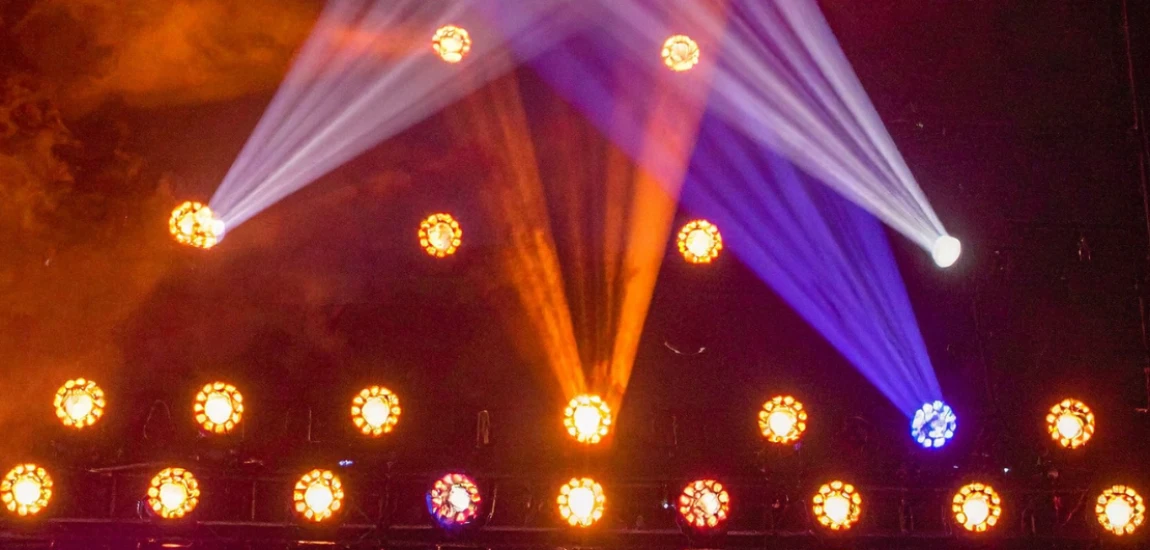
For decades, attending a concert meant being there—physically, emotionally, and geographically. You saved up for tickets, waited in line, and experienced the magic of being part of a crowd. But in the digital age, that definition of “being there” is changing. With the rise of metaverse events and virtual concerts, location has lost its grip on live experiences.
From Travis Scott’s groundbreaking Fortnite concert to BTS’s virtual stadium performances, the metaverse has reimagined how we gather, perform, and connect. No longer limited by physical venues, audiences can join immersive digital environments from anywhere in the world—dancing, chatting, and even customizing avatars to express themselves. The concept of “live” has expanded beyond space and time.
This isn’t just a technological shift—it’s a cultural one. The metaverse is transforming entertainment into an interactive, participatory ecosystem where fans become part of the show. The boundaries between audience and performer blur, and new economies, aesthetics, and forms of creativity emerge.
In this blog, we’ll explore how virtual concerts and metaverse events are redefining the future of entertainment, the technologies making it possible, the ethical and creative implications, and how artists can harness this new frontier to reach global audiences without ever leaving their homes.
The Rise of Metaverse Entertainment: From Pixels to Performances

A brief history of virtual concerts
The idea of digital performance isn’t new. Early experiments date back to the 2000s, when platforms like Second Life hosted virtual gigs. However, it was the pandemic that propelled metaverse events into the mainstream. With lockdowns shuttering physical venues, artists turned to digital stages—Minecraft, Fortnite, Roblox, and VRChat—to perform for millions of fans simultaneously.
The appeal of immersive connection
Unlike traditional livestreams, metaverse concerts are three-dimensional social experiences. Fans don’t just watch; they inhabit digital spaces where they can move, interact, and engage in real-time. Virtual concerts can feature gravity-defying visuals, interactive light shows, or collaborative gameplay—all impossible in the physical world. This fusion of gaming, music, and social interaction is creating a new kind of fandom: one defined by participation rather than passive viewership.
The birth of the virtual entertainment economy
Behind these spectacles lies a growing metaverse economy. Virtual tickets, limited-edition NFTs, and avatar merchandise generate revenue streams for artists and brands. Some fans spend real money to attend exclusive meetups, buy digital wearables, or unlock interactive features. In this economy, art and experience merge with commerce, creating opportunities that extend far beyond the stage.
The Technology Behind the Experience: Building Virtual Worlds

Platforms that power the metaverse
The backbone of metaverse events lies in advanced 3D platforms and real-time rendering technologies. Engines like Unreal and Unity enable developers to craft lifelike environments that respond dynamically to user actions. Platforms such as Roblox, Decentraland, and Horizon Worlds host large-scale gatherings, offering customizable venues where thousands of users can interact simultaneously.
Virtual and augmented reality integration
While many metaverse concerts are accessible via regular screens, VR and AR add deeper layers of immersion. Virtual reality headsets like Meta Quest and Apple Vision Pro create full-sensory experiences where users can move and interact within digital venues. Meanwhile, augmented reality overlays digital performances onto physical spaces, allowing audiences to see virtual artists “perform” in their living rooms or city streets.
AI, motion capture, and real-time performance
AI and motion capture are essential to bringing performers to life. Motion-tracking suits capture artists’ movements, translating them into animated avatars. AI-generated choreography, lighting, and audience reactions enhance realism. These technologies not only replicate live performance but also amplify it beyond physical limits, turning each concert into a blend of art, data, and digital theater.
Creative Freedom in a Boundless World: Redefining Artistry

Artists as world-builders
In the metaverse, musicians aren’t limited by physical constraints—they can build worlds around their music. A concert can take place on a floating island, inside a galaxy, or beneath an ocean of digital light. Artists like Ariana Grande and Travis Scott have shown how virtual environments can become extensions of musical storytelling, allowing them to turn sound into spatial art.
New forms of audience participation
Fans can now co-create alongside artists, designing spaces, remixing tracks, or even appearing on stage as avatars. This collaborative creativity transforms audiences into active participants rather than consumers. It’s a form of community-driven artistry where engagement becomes part of the performance itself.
Blurring the lines between entertainment and gaming
The convergence of gaming and music has given rise to interactive storytelling. Imagine an audience collectively influencing the outcome of a concert or unlocking bonus performances through gameplay. These experiences redefine not only what concerts look like but what they mean—as entertainment evolves from observation to interaction.
The Economics of Boundless Access: Monetization and Opportunity

Expanding access, expanding markets
Metaverse concerts have shattered geographic and economic barriers. Fans from any country can attend the same event without the expense of travel. This democratization of access means artists can reach global audiences instantly, creating new opportunities for indie performers and emerging talent to gain visibility without the backing of major labels.
New revenue models for artists
The digital landscape introduces innovative monetization strategies. Virtual ticketing systems allow for tiered experiences—general admission, VIP zones, and even private digital lounges. Non-fungible tokens (NFTs) serve as digital memorabilia, giving fans verifiable ownership of exclusive moments or artwork. In this new model, connection—not scarcity—drives value.
Brands, sponsorships, and immersive marketing
Brands are rapidly entering the metaverse to sponsor events and create immersive marketing experiences. From virtual fashion drops to branded stages, companies see the metaverse as a new form of experiential advertising. For artists, this opens doors to partnerships that are more interactive and meaningful than traditional ads.
The Social and Ethical Dimensions: Connection, Identity, and Inclusion

Digital inclusion and accessibility
While metaverse events expand access, they also raise issues of digital inequality. Not everyone has access to high-speed internet or VR technology. Ensuring inclusivity in the metaverse means addressing these digital divides and designing experiences that are accessible across devices and bandwidths.
Authenticity and digital identity
Performing as an avatar opens creative freedom but also questions of authenticity and self-representation. How does one maintain artistic integrity in a world where anyone can appear as anything? Some artists embrace anonymity, while others struggle with how virtual personas reshape their brand and fan relationships.
Environmental and emotional implications
Though digital, metaverse events still consume significant energy due to server loads and blockchain operations. Additionally, prolonged virtual interaction raises questions about emotional well-being—can virtual presence truly replicate the feeling of a shared, physical crowd? As we dive deeper into digital life, balancing technological advancement with sustainability and human connection becomes crucial.


Known as "Nomadic Matt," Matthew Kepnes offers practical travel advice with a focus on budget backpacking. His blog aims to help people travel cheaper and longer.
Matthew Kepnes

Prev Post

Next Post