
Luxury & Experience-Driven Cinemas: From 4D/IMAX to Immersive Theater Spaces & Events
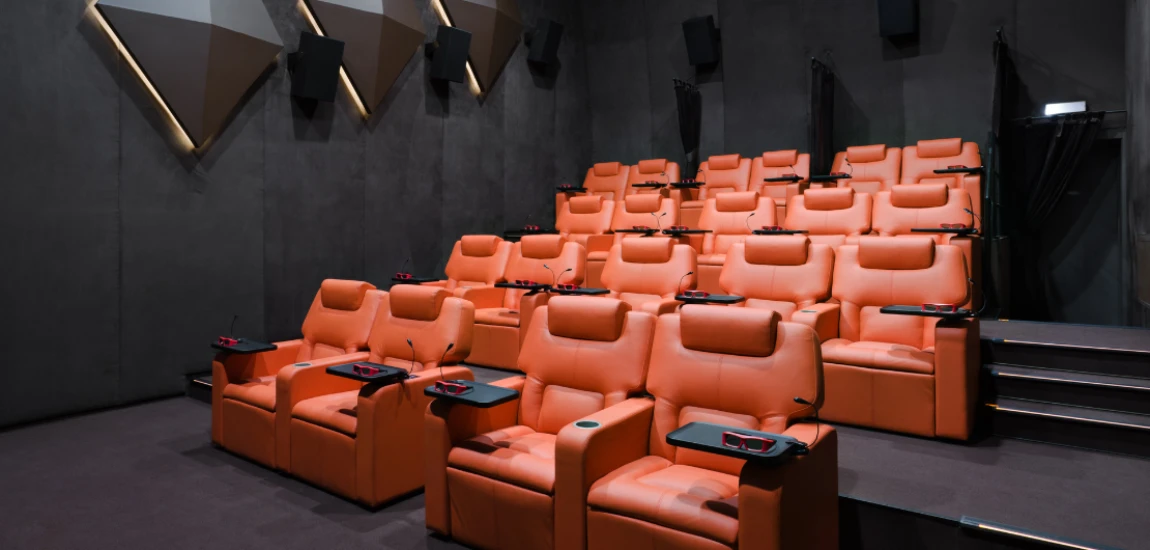
Over the past decade, luxury cinemas have gone from being a niche concept to a mainstream demand. Moviegoers are no longer satisfied with just a seat and a screen—they want an experience. Plush recliners, gourmet menus, and personalized service have become the norm in upscale theaters worldwide. The shift toward experience-driven cinema reflects a growing desire for social outings that feel indulgent and memorable.
A New Standard in Seating and Comfort
Gone are the days of stiff chairs and crowded rows. Luxury theaters now feature leather recliners with adjustable settings, heated seating, and even built-in tables. Some cinemas even offer private pods or suites, allowing audiences to watch films with a sense of exclusivity. These features not only enhance comfort but also replicate the luxury of a home theater while maintaining the scale of the big screen.
Dining Becomes an Experience
Food has become central to the luxury cinema model. Instead of basic popcorn and soda, guests can order sushi, artisanal pizzas, cocktails, or even full-course meals. Some theaters partner with celebrity chefs to curate menus that elevate the experience. Dining during a film has become an immersive extension of the evening, merging restaurant culture with cinema.
Personalized Service and Premium Add-ons
From valet parking to concierge-style ticketing, luxury cinemas treat moviegoing as a high-touch event. Premium memberships often include perks like early screenings, private lounges, and priority seating. These services transform a typical night at the movies into something closer to a luxury hotel stay.
Luxury cinema is not just about watching a film—it’s about making the outing feel like an occasion.
4D and IMAX: Pushing the Boundaries of Immersive Viewing

While comfort enhances the environment, 4D and IMAX technologies elevate the act of movie-watching itself. These formats push storytelling beyond visuals, tapping into sound, scale, and even physical sensations to create deeper immersion.
IMAX: Bigger, Bolder, Better
IMAX has long been the gold standard for epic cinematic experiences. With its massive screens, enhanced sound technology, and laser projection, IMAX offers audiences unparalleled clarity and scale. From space documentaries to superhero blockbusters, IMAX creates a sense of grandeur that conventional theaters simply cannot replicate.
4D: Engaging All the Senses
If IMAX enhances what you see and hear, 4D theaters take immersion further by engaging touch, smell, and motion. Seats may vibrate, tilt, or move in sync with action scenes. Audiences might feel gusts of wind, sprinkles of water, or even scent effects designed to match the scene. For action-packed genres, 4D is as close as you can get to “being inside the movie.”
The Future of High-Tech Screenings
New formats like ScreenX (which projects visuals on three walls simultaneously) and Dolby Cinema (with superior color depth and sound precision) are reshaping expectations for what a night at the movies can be. These technologies are no longer restricted to major cities; they are spreading globally, making immersive cinema technology more accessible than ever.
For moviegoers, the attraction is clear: why settle for a flat screen when you can feel like you’re inside the story?
Immersive Theaters: When Cinema Meets Live Performance

Luxury and technology are just the start. Another major trend in experience-driven cinemas is immersive theater, where the line between film, performance, and audience participation blurs.
Storytelling Beyond the Screen
Immersive cinemas often combine screenings with live actors, interactive sets, and themed environments. Imagine watching a horror film while performers in costume roam the aisles, or enjoying a period drama in a venue decorated like the film’s setting. These experiences make audiences part of the narrative, not just observers.
Cinema as an Event Space
Many immersive theaters use films as the starting point for themed events. Guests might attend in costume, enjoy pre-show workshops, or participate in interactive games that extend the storyline. This approach turns a two-hour film into an all-night cultural experience. It’s particularly popular with franchises like Harry Potter or Star Wars, where fans crave deeper engagement with the fictional worlds they love.
Bridging Theater and Cinema
Immersive cinema borrows heavily from stage theater, combining scripted performance with improvisation. This hybrid form expands how people think of “going to the movies.” Instead of passively consuming content, audiences interact, explore, and sometimes even influence the unfolding of the event.
This shift highlights a growing truth: the future of cinema is not just about watching—it’s about participating.
Luxury Cinemas as Social & Cultural Hubs

In today’s digital-first world, experiences that encourage in-person connection are more valuable than ever. Luxury and immersive theaters have recognized this, positioning themselves not just as venues for films but as community hubs and cultural spaces.
Private Events and Screenings
High-end cinemas increasingly cater to private events—birthday parties, corporate gatherings, or even weddings. Their combination of atmosphere, technology, and food makes them perfect for hosting celebrations that feel unique. This flexibility allows theaters to diversify revenue while creating a deeper sense of belonging among patrons.
Cinema Meets Nightlife
Some luxury theaters double as lounges or nightlife destinations. With rooftop bars, DJ sets, or after-parties following film screenings, theaters blur the line between cinema and club culture. This appeals to younger audiences who want multi-layered experiences that extend beyond the film itself.
Community Engagement Through Themed Programs
From indie film festivals to charity screenings, luxury theaters are also creating cultural programming that goes beyond mainstream Hollywood releases. By offering curated experiences, they attract cinephiles who want more than just the blockbuster of the week. This fusion of film, culture, and community helps redefine the role of cinema in modern society.
Instead of competing with at-home streaming, theaters are reinventing themselves as places people want to gather for shared experiences.
The Future of Experience-Driven Cinemas

As technology and consumer expectations evolve, the future of luxury and immersive cinemas looks promising. What began as niche experiments are fast becoming industry standards.
Blending Virtual and Physical Worlds
The rise of virtual reality (VR) and augmented reality (AR) means that future cinemas may merge digital and physical storytelling. Imagine wearing AR glasses that bring characters into the theater with you, or VR environments that allow audiences to step inside their favorite film worlds.
Sustainability in Luxury Cinemas
Eco-conscious design is becoming essential. From solar-powered theaters to recyclable food packaging, luxury cinemas are adopting green initiatives to align with consumer values. As sustainability becomes a priority across industries, theaters that combine luxury with eco-responsibility will likely lead the way.
Competing with Streaming
Perhaps the biggest challenge—and opportunity—for cinemas is competing with at-home streaming. Theaters cannot simply replicate what people already have at home; they must offer experiences streaming cannot. Whether through 4D motion seats, gourmet dining, or immersive theater events, the value lies in offering something truly irreplaceable.
The future points toward a cinema industry where every outing is a special occasion—an indulgence, an adventure, and a cultural experience all at once.


Ben Schlappig runs "One Mile at a Time," focusing on aviation and frequent flying. He offers insights on maximizing travel points, airline reviews, and industry news.
Ben Schlappig

Prev Post

Next Post