
Luxury and Experience-Driven Cinemas: Why People Pay More for the Movie Outing in 2025
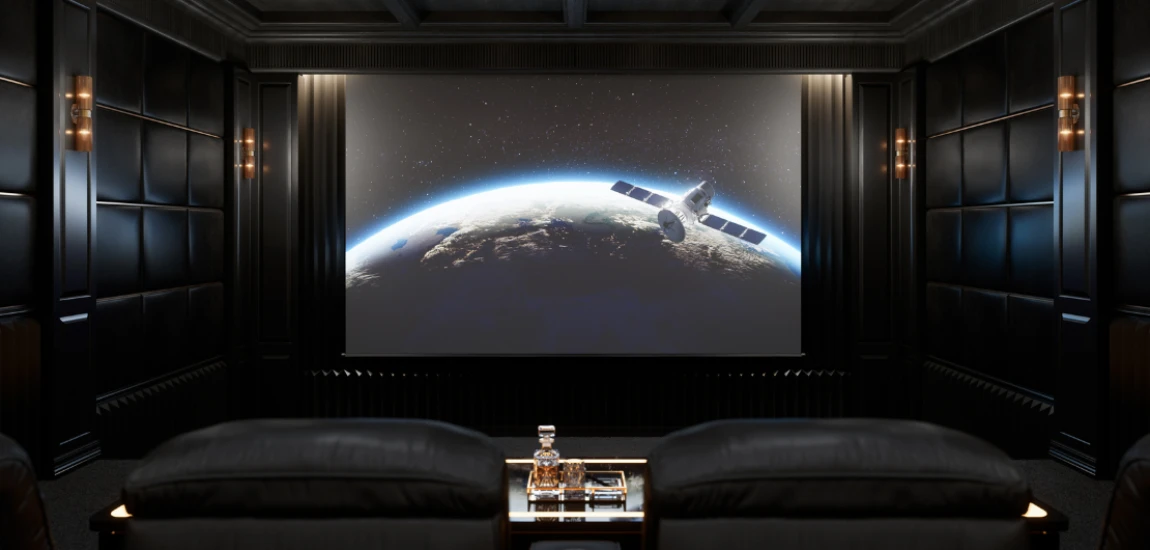
For decades, the cinema experience was defined by sticky floors, long lines, and crowded seats—but that era is fading fast. In 2025, audiences expect more than just a screen; they want an experience. The rise of luxury and experience-driven cinemas marks a shift in how people consume entertainment, blending film with hospitality, design, and technology.
The shift started long before the pandemic, but COVID-19 accelerated it. With streaming services making home viewing more convenient than ever, cinemas had to evolve to stay relevant. The solution? Transform movie theaters into destinations worth leaving home for—places that combine comfort, exclusivity, and sensory engagement.
Leading cinema chains like Alamo Drafthouse, AMC Dine-In, and Everyman Cinemas have leaned into this transformation. They’re offering reclining leather seats, gourmet meals, and curated beverage menus. Meanwhile, boutique theaters like Electric Cinema in London and iPic in Los Angeles add layers of sophistication, offering blankets, table service, and ambient lighting designed to heighten immersion.
In essence, the movie theater is no longer just a place to watch a film—it’s a place to feel it. The modern audience seeks emotional and sensory connection, and luxury theaters deliver that through every touchpoint, from design to dining to sound.
The Rise of Luxury Cinemas: Comfort, Exclusivity, and Design

Redefining comfort
Today’s moviegoers expect comfort on par with first-class travel. Plush recliners with adjustable footrests, ample legroom, and even heated seating have become the new norm in premium theaters. Theaters like Cinepolis and Odeon Luxe now offer fully reclining pods, complete with blankets and pillows, making the movie experience feel indulgent and relaxing.
Aesthetic ambiance
Design has become central to the luxury cinema experience. Many modern theaters resemble boutique hotels or art galleries, with elegant interiors, mood lighting, and curated décor. Chains like Curzon and Rooftop Cinema Club create distinctive environments that turn a film screening into a lifestyle experience—where aesthetics are as important as the film itself.
Personalized service and exclusivity
Premium theaters now offer concierge-style services, including reserved seating, private screening rooms, and personalized food and drink menus. For high-spending customers, luxury cinemas even provide VIP lounges and exclusive screenings for small audiences. This level of exclusivity caters to consumers who see moviegoing not as an activity, but as a form of status and escape.
The rise of these amenities reflects a wider trend: audiences aren’t just paying for a movie—they’re paying for a feeling. The cinema becomes a sanctuary from daily life, a place where indulgence meets storytelling.
Dining at the Movies: The Fusion of Culinary and Cinematic Experiences

Gourmet menus and craft cocktails
Forget popcorn and soda—premium cinemas now offer restaurant-quality dining. From sushi platters and artisan pizza to fine wine and handcrafted cocktails, the culinary aspect has become a central part of the experience-driven cinema trend. Alamo Drafthouse and iPic Theaters were pioneers of the dine-in model, allowing viewers to order from full menus delivered directly to their seats.
Local sourcing and thematic dining
Some theaters collaborate with local chefs and restaurants to offer seasonal menus or dishes inspired by films. For instance, a screening of Dune might feature spice-inspired cocktails, while Barbie screenings come with pink-themed desserts. This creative fusion of dining and cinema enhances immersion and turns a film night into a multisensory event.
The social dining element
Luxury cinemas are also tapping into the social aspect of eating out. Lounges and rooftop bars integrated into theater spaces create post-movie hangouts where guests can discuss films over dessert or drinks. This positions the cinema not just as a place to view, but as a social hub that competes with fine dining establishments.
By merging culinary culture with film culture, luxury cinemas turn a passive night out into an engaging, social, and memorable experience—one that streaming at home simply can’t replicate.
Technology and Immersion: The Future of the Big-Screen Experience

The rise of 4DX, IMAX, and ScreenX
Luxury and experience-driven cinemas have also embraced technological innovation to heighten immersion. Formats like 4DX engage all the senses—seats move, air jets simulate wind, and scents are released to match on-screen environments. Meanwhile, ScreenX offers panoramic, 270-degree visuals that expand beyond the traditional screen, enveloping viewers in the cinematic world.
Sound and visual precision
Premium theaters now invest heavily in Dolby Atmos and laser projection systems, providing crystal-clear visuals and multidimensional soundscapes. The goal is total immersion—making audiences feel like they’re part of the movie rather than observers. This sensory precision enhances everything from action scenes to intimate dramas.
Virtual reality and interactive screenings
Some theaters are experimenting with virtual reality integrations and interactive experiences, where audiences can influence narrative elements or explore virtual environments before the movie begins. In Japan and South Korea, these immersive models have already become popular, blending gaming culture with cinema.
By combining luxury with cutting-edge technology, theaters are redefining entertainment for the digital age. The cinema is no longer just competing with streaming—it’s offering something streaming can’t: presence.
Psychology and Sociology: Why People Pay More for Movie Experiences

The value of shared experiences
Even in the streaming era, humans crave connection. Watching a film in a darkened room with others—laughing, gasping, or crying together—creates a sense of community that solo streaming cannot replicate. Luxury theaters amplify this connection through comfort and ambiance, turning communal watching into a social ritual.
Escapism and indulgence
Post-pandemic, consumers have shifted toward “revenge spending” on experiences that feel restorative or indulgent. A night at a luxury cinema isn’t just about the movie—it’s about self-care, status, and escape. People are paying for the feeling of being treated, of participating in something elevated and special.
The new “third place”
Sociologists describe luxury cinemas as emerging “third places”—spaces between home and work where people unwind, connect, and recharge. Unlike crowded multiplexes or impersonal streaming platforms, premium cinemas create a sense of belonging and atmosphere that’s both social and personal.
Ultimately, the willingness to pay more stems from emotional return on investment. In a world of endless digital content, audiences are drawn to experiences that feel real, rare, and rewarding.
The Business Behind the Luxury Cinema Boom

Targeting premium audiences
Luxury and experience-driven cinemas cater to an audience segment that values quality over quantity. These patrons are typically urban, affluent, and experience-focused—individuals who see leisure as an extension of personal identity. Theaters have found that this demographic is willing to pay 30–50% more for enhanced comfort, personalized service, and exclusivity.
Diversifying revenue streams
Theaters aren’t just selling tickets—they’re selling experiences. Revenue comes from premium memberships, curated events, and dining sales. Some chains even host film festivals, brand collaborations, and private screenings, turning the venue into a multi-purpose entertainment hub.
Competing with streaming through differentiation
While streaming dominates convenience, cinemas are betting on differentiation—providing experiences impossible to replicate at home. By focusing on atmosphere, design, and immersion, theaters position themselves not as competitors to Netflix, but as complements to it. The home is for content; the cinema is for celebration.
This business model reflects a larger trend across industries: consumers are shifting from material to experiential luxury. The cinema of 2025 embodies that evolution perfectly.


Operating "The Blonde Abroad," Kiersten Rich specializes in solo female travel. Her blog provides destination guides, packing tips, and travel resources.
Kiersten Rich

Prev Post

Next Post