
Infrastructure of Imagination: The Hidden Systems Behind Creativity
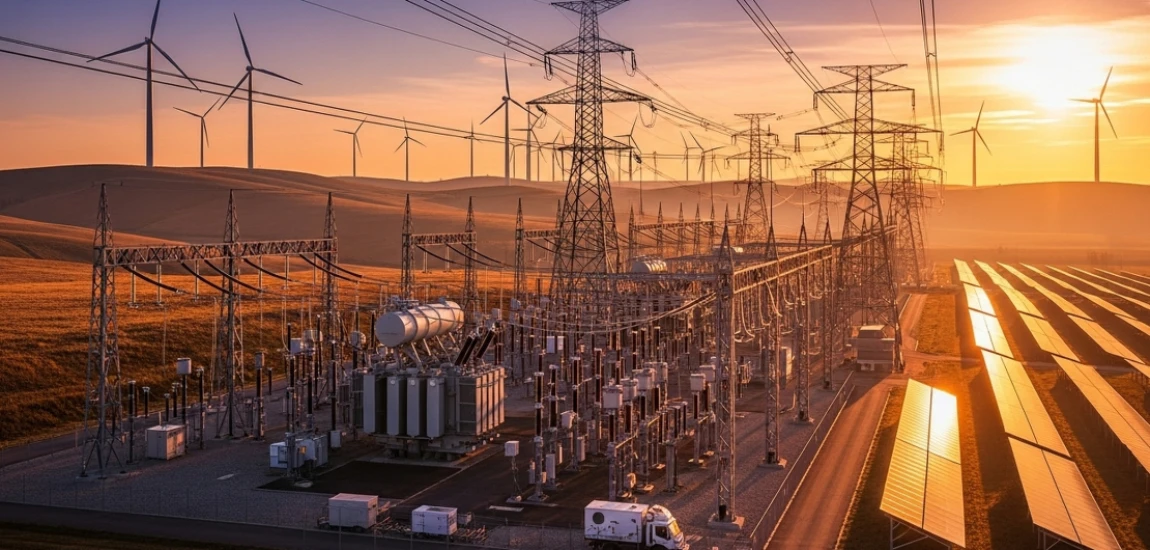
Creativity as a System, Not a Spark
We often romanticize creativity as a flash of genius—an artist struck by sudden inspiration. But creativity rarely happens in isolation. Beneath every breakthrough lies an infrastructure: access to knowledge, collaboration networks, material resources, and cultural context. Whether it’s an architect designing a skyline or a coder writing an algorithm, their imagination is enabled by invisible systems that supply the conditions for creative thought.
The Layers of Imaginative Infrastructure
This infrastructure operates across multiple levels. On the individual level, there’s cognitive architecture—the ways our brains organize memory, pattern recognition, and emotion. On a cultural level, there are shared narratives, art forms, and institutions that support or constrain what’s possible. Technologically, digital platforms, AI tools, and global databases now serve as creative engines themselves. Together, these layers form a complex ecosystem that nurtures or limits imagination.
The Shift from Individual to Networked Creativity
In the past, creativity was often viewed as personal expression. Today, it’s increasingly networked. Artists collaborate across continents in real time; AI suggests melodies, color palettes, or storylines; and social platforms amplify ideas faster than ever before. This shift signals a new paradigm: imagination is not only personal but infrastructural—a distributed system of human and machine collaboration.
Cognitive Infrastructures: How the Brain Builds Imagination

The Neural Pathways of Creativity
Neuroscience reveals that imagination is deeply embodied. It’s not a separate process from perception but an extension of it. The brain’s default mode network—responsible for daydreaming and internal narrative—interacts with the executive control network, which manages focus and decision-making. Together, they create the balance between chaos and order that defines creative thinking. This neural architecture forms the biological infrastructure of imagination.
Memory as the Foundation of the New
Every creative act draws from the past. Memory supplies the raw materials of imagination—the textures, images, and associations that artists recombine into new forms. Without a system of mental storage and retrieval, invention would be impossible. The more diverse one’s experiences and inputs, the richer the infrastructure for imaginative synthesis becomes.
The Role of Constraints in Cognitive Design
Ironically, constraints are vital to imagination. The brain thrives on limitations—it uses them as creative prompts. Whether it’s a poet restricted by rhyme or a designer confined by a budget, boundaries activate divergent thinking. Within these structures, the mind finds unexpected pathways, transforming obstacles into opportunities. Thus, even on a neural level, infrastructure fuels, rather than hinders, creativity.
Cultural Infrastructures: Shared Worlds of Meaning

The Collective Nature of Imagination
Culture is the ultimate infrastructure of imagination. Myths, languages, and symbols shape the contours of what a society can dream. Every innovation, from literature to technology, emerges from a shared pool of stories and metaphors. When a filmmaker envisions a dystopia or an engineer imagines a new tool, they draw upon collective memory—the inherited frameworks of human imagination.
Institutions as Creative Ecosystems
Museums, universities, art collectives, and online platforms serve as infrastructures of cultural production. They preserve, curate, and disseminate ideas, ensuring creative continuity. However, they can also become gatekeepers—deciding whose imagination is valued and whose is silenced. Understanding creativity as infrastructural means recognizing that access, inclusion, and diversity directly shape the world’s creative potential.
Globalization and Hybrid Imagination
The digital age has collapsed cultural boundaries, creating hybrid imagination: a blend of global references and local sensibilities. Artists in Lagos remix Tokyo streetwear aesthetics; filmmakers in Brazil draw on Korean minimalism. The infrastructure of imagination today is planetary, built on transnational exchanges that expand the range of possible futures.
Digital Infrastructures: Algorithms, Platforms, and AI as Co-Creators

The Algorithmic Backbone of Creativity
Digital tools now act as both the medium and the muse. Platforms like Midjourney, ChatGPT, and Runway ML demonstrate how AI systems are reshaping creative workflows. Algorithms filter, recommend, and even generate content—guiding what we see, hear, and imagine. This means that part of today’s imagination is outsourced to the machine.
The Invisible Curators of Imagination
Every feed, playlist, and search result is a curated experience. The infrastructure of imagination is increasingly governed by recommendation systems that determine visibility. When algorithms decide which stories go viral or which music trends dominate, they subtly shape cultural imagination. The challenge, then, is to design algorithms that expand, rather than narrow, creative possibility.
Human–Machine Collaboration as the New Norm
Instead of fearing automation, many creators embrace it as collaboration. Artists use generative AI as a creative partner—testing boundaries, generating inspiration, and accelerating iteration. The most innovative results arise not from replacing human imagination but from augmenting it. The digital infrastructure of creativity thus becomes a hybrid ecosystem where intuition meets computation.
Environmental Infrastructures: The Spaces That Nurture Imagination

The Geography of Creativity
Physical and virtual spaces deeply influence how imagination unfolds. A city’s design, a studio’s layout, or even a virtual workspace can affect how ideas flow. Open, flexible environments promote experimentation, while rigid or isolating spaces can stifle it. The infrastructure of imagination begins in the environments that invite daydreaming, dialogue, and exploration.
Nature as a Creative System
Natural systems also model creativity. Forests, coral reefs, and weather patterns all demonstrate distributed intelligence and adaptive design—principles mirrored in human innovation. Many artists and architects look to biomimicry to understand how creativity can be both structured and fluid. In this sense, imagination is ecological: a co-evolution between mind and environment.
The Digital Workspace as a New Studio
In the 21st century, creative environments are increasingly virtual. Remote collaboration tools, digital whiteboards, and virtual reality studios form the new geography of imagination. These infrastructures allow global teams to build ideas collectively in shared digital space. The future of creativity may rely as much on interface design as on human inspiration.
Designing the Future: Building Better Infrastructures for Imagination

Access and Inclusion as Creative Imperatives
A society’s imaginative health depends on who gets to imagine. Equity in education, technology, and representation directly impacts collective creativity. By building inclusive infrastructures—accessible tools, diverse storytelling platforms, open-source knowledge systems—we ensure that imagination is a shared, rather than privileged, resource.
Education as Infrastructure
Creative thinking isn’t just innate—it’s cultivated through learning systems that value exploration over memorization. Schools, studios, and digital platforms act as training grounds for imagination. Incorporating play, cross-disciplinary thinking, and emotional intelligence into education can strengthen the infrastructure that supports lifelong creativity.
The Future of Collective Imagination
As technology, culture, and cognition intertwine, the infrastructure of imagination will only grow more complex. Tomorrow’s creative breakthroughs will depend less on individual genius and more on how well we design systems that inspire collective invention. Building this future means rethinking creativity as public infrastructure—something to maintain, evolve, and share.


Shivya Nath authors "The Shooting Star," a blog that covers responsible and off-the-beaten-path travel. She writes about sustainable tourism and community-based experiences.
Shivya Nath
Prev Post

Next Post