
How Regional Languages Are Taking Over Global Pop Culture
A Shift from the West to the Rest
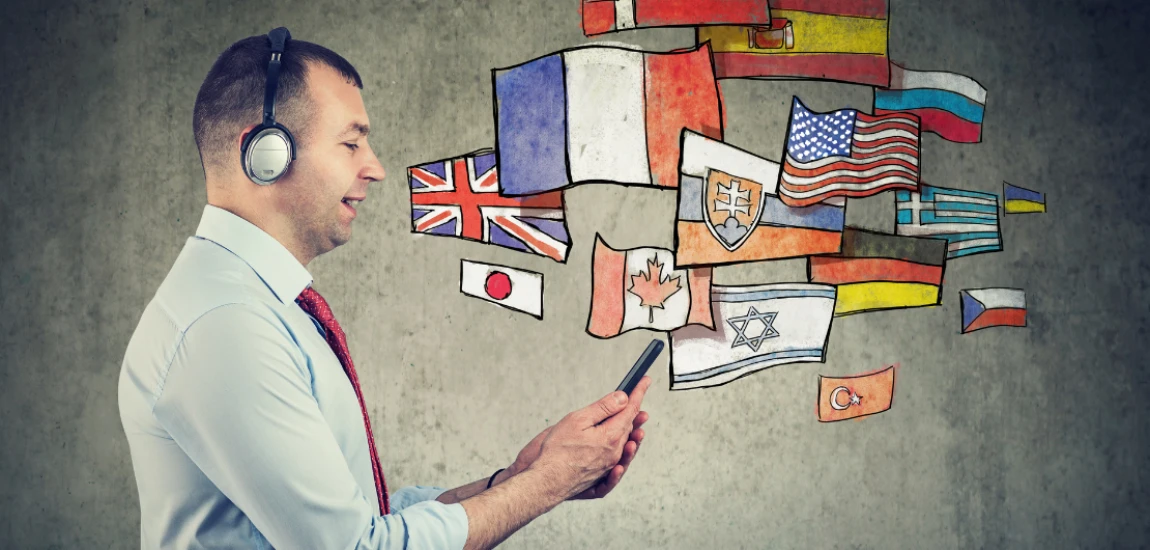
For decades, global pop culture was dominated by English-speaking media—from Hollywood movies to American pop music. But in recent years, the entertainment landscape has shifted dramatically. Regional languages like Korean, Spanish, Hindi, Japanese, Arabic, and even Swahili are breaking through linguistic barriers, proving that emotional resonance often transcends translation. The rise of global streaming platforms like Netflix, YouTube, and Spotify has enabled audiences worldwide to discover content that reflects diverse voices and authentic storytelling, leading to a democratization of entertainment.
Cultural Confidence and Soft Power
Governments and cultural industries across Asia, Africa, and Latin America have recognized the global influence of local creativity. South Korea’s “Hallyu Wave,” for instance, was not an accident—it was a strategic investment in exporting culture through music, drama, and film. Similarly, India’s regional film industries—from Telugu to Malayalam cinema—are finding international audiences hungry for fresh narratives and visual innovation. Language is no longer a barrier; it’s a bridge connecting global audiences to regional identity.
The Role of Streaming and Algorithms
Streaming algorithms have become cultural equalizers. Platforms like Netflix recommend Korean thrillers to American viewers and Brazilian telenovelas to European subscribers. This has redefined how people consume content—no longer bound by geography or language, but by mood, genre, and emotional connection. As subtitles and dubbing improve, the world’s appetite for multilingual content continues to grow, challenging the once rigid dominance of English in pop culture.
Music as a Multilingual Movement

From K-Pop to Afrobeat
Music has been one of the strongest vehicles for regional languages to cross borders. The global explosion of K-pop with BTS and BLACKPINK showed that lyrics in Korean could top international charts and unite fans who don’t share the same mother tongue. Similarly, Afrobeat artists like Burna Boy, Wizkid, and Rema have introduced Yoruba and Pidgin English into mainstream pop, reshaping the sonic identity of global music. Spanish-language hits like “Despacito” and “Bzrp Music Sessions” further prove that rhythm and feeling outweigh language barriers.
The Psychology of Sound and Identity
Listeners today value authenticity over uniformity. Hearing a song in another language feels refreshing, even exotic, as it offers a glimpse into another culture’s emotional landscape. Linguistic diversity in music creates deeper global empathy—fans learn phrases, embrace slang, and even engage with the politics or social context behind the lyrics. Music is becoming a language of cultural exchange rather than dominance.
Technology and Viral Globalization
Social media platforms like TikTok have accelerated the reach of regional-language songs. A single 15-second clip can propel a local track into a global sensation. AI-generated translations, lyric overlays, and fan-driven subtitling have also made it easier for songs in Tamil, Arabic, or Swahili to reach massive international audiences. What once required a major label’s backing can now happen overnight through algorithmic virality and grassroots fan enthusiasm.
Cinema and Streaming: Regional Storytelling on a Global Stage

Subtitles No Longer Scare Audiences
The success of non-English films like Parasite, RRR, Squid Game, and Money Heist marks a turning point in global viewership habits. Audiences have grown more comfortable with subtitles and dubbing, seeing them as gateways to compelling stories rather than barriers to understanding. Regional cinema is thriving because it offers authenticity and cultural specificity that Hollywood often lacks.
Streaming Platforms as Cultural Ambassadors
Netflix, Amazon Prime, Disney+, and regional platforms like iQIYI or Shahid are actively investing in local-language productions to attract global subscribers. In doing so, they’ve unintentionally created a new wave of international stardom. Actors from South Korea, Spain, Nigeria, and India are now household names worldwide. This cross-pollination has not only diversified on-screen representation but also influenced how global stories are told—less formulaic, more rooted in culture.
From Local Roots to Global Awards
Regional-language cinema is no longer a niche market—it’s shaping award circuits and critical conversations. The Oscars, Cannes, and BAFTA have increasingly recognized films that challenge linguistic homogeneity. Movies like Drive My Car (Japanese) and All Quiet on the Western Front (German) showcase how powerful storytelling can transcend translation. These works demonstrate that local languages, far from being restrictive, add emotional texture and cultural nuance that global audiences deeply appreciate.
Digital Culture and the New Multilingual Internet

Social Media as a Global Stage
Social media has become a vital space for regional expression. Platforms like YouTube, TikTok, and Instagram amplify local languages through creators who blend humor, commentary, and cultural pride. Whether it’s a Punjabi cooking tutorial, an Arabic comedy skit, or a Filipino dance challenge, creators are using language to assert identity in a digital ecosystem that once favored English.
AI Translation and Linguistic Accessibility
Advancements in real-time translation tools are revolutionizing how we experience multilingual content. AI-generated subtitles, voice dubbing, and text translations allow regional creators to reach international audiences without losing their linguistic authenticity. The future internet will likely be a tapestry of hybrid languages—Spanglish, Hinglish, Arabizi—reflecting fluid cultural identities shaped by both heritage and connectivity.
Cultural Preservation in the Digital Age
As regional languages gain digital presence, they’re not only surviving—they’re thriving. YouTube channels dedicated to endangered dialects, apps promoting indigenous storytelling, and online archives preserving folk traditions highlight how technology can be used for cultural preservation rather than erasure. The internet is no longer a homogenizing force; it’s a stage for linguistic diversity and local pride.
The Global Future of Local Languages

From Representation to Integration
The rise of regional languages isn’t just a passing trend—it’s a structural transformation of global media. As audiences grow more multilingual and globally minded, entertainment companies must shift from token representation to true integration. That means supporting writers, musicians, and filmmakers who create authentically in their languages, rather than diluting their work for “global” appeal.
Economic Power and Creative Exchange
The financial success of multilingual projects is rewriting industry economics. Local-language films and music are outperforming English-language productions in key markets. This proves that cultural authenticity can be both ethically and economically rewarding. Co-productions between nations, cross-lingual collaborations, and hybrid storytelling models are driving a new kind of globalization—one rooted in reciprocity rather than dominance.
Language as Cultural Liberation
Ultimately, the rise of regional languages in global pop culture symbolizes a shift in power dynamics. The old cultural hierarchy—where Western, English-speaking media set the standard—is dissolving. Today, diversity isn’t just celebrated; it’s demanded. The new global citizen doesn’t consume culture passively—they explore it, remix it, and make it their own. Language is no longer a wall—it’s a window into infinite worlds.


Known as "Nomadic Matt," Matthew Kepnes offers practical travel advice with a focus on budget backpacking. His blog aims to help people travel cheaper and longer.
Matthew Kepnes

Prev Post
Next Post