
How Predictive AI Is Changing Casting Decisions in Hollywood
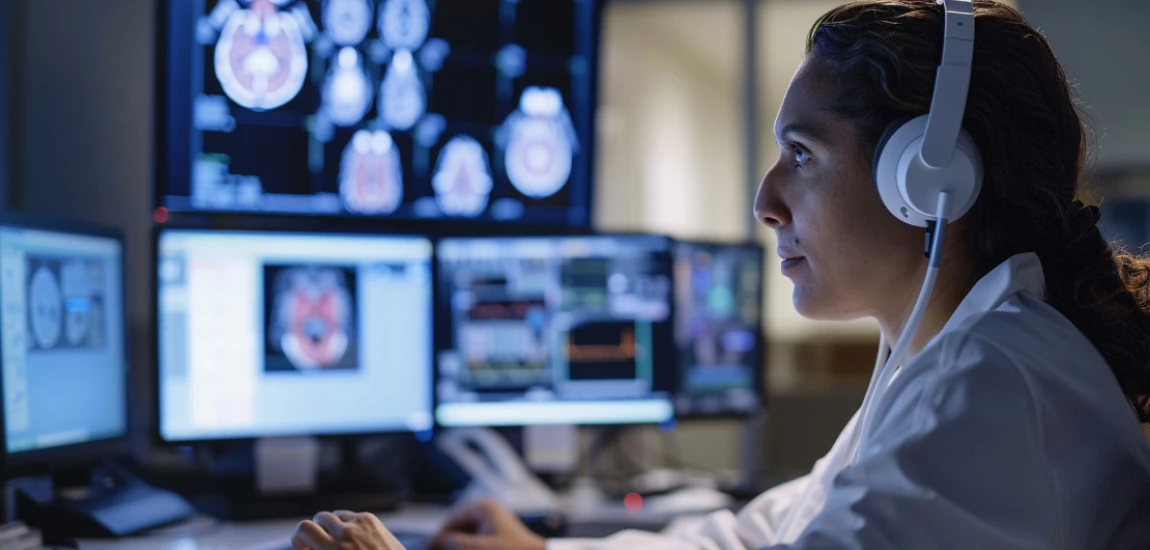
The shift from instinct-based casting to data-driven decision-making
Hollywood has always relied on a combination of intuition, industry experience, and instinct when selecting actors for leading roles. Directors often made choices based on gut feeling, personal creative vision, or past collaborations. However, the rise of predictive AI in Hollywood casting is shifting the industry toward a more data-driven approach. Today, filmmakers and studios are adopting machine-learning tools to analyze patterns, forecast audience reactions, and evaluate potential cast members with remarkable precision. This shift marks a major transformation in the way entertainment content is created and consumed.
The growing demand for accuracy and reduced financial risk
Every film represents a massive financial gamble. Casting the wrong actor can affect box office sales, streaming performance, and overall audience engagement. Predictive AI helps evaluate risks early by examining historical data, social media trends, demographic preferences, and measurable performance indicators. The technology reduces uncertainty by projecting whether an actor’s presence will attract specific audiences, enhance international marketability, or complement the story’s emotional tone. As competition intensifies and budgets grow larger, Hollywood’s reliance on predictive tools becomes more strategic and essential.
The cultural and technological forces behind adoption
The entertainment industry evolves whenever technology unlocks new creative possibilities. AI-powered tools are the latest wave of innovation, joining CGI, virtual production, and streaming algorithms in reshaping the cinematic landscape. Predictive AI aligns with current industry dynamics: massive data availability, rising viewer analytics, increased streaming penetration, and global audiences with diverse tastes. Hollywood’s shift toward AI-driven casting reflects more than efficiency—it represents a cultural shift toward personalization, inclusivity, and future-focused content creation.
How Predictive AI Evaluates Actors: The Technology Behind the Trend

Machine-learning models that analyze past performance
Predictive AI systems study a wide range of metrics to assess an actor’s potential impact. These models analyze previous box office numbers, audience engagement on social platforms, genre-specific history, critic reviews, and demographic appeal. Machine learning identifies patterns that humans may overlook, such as how certain actors perform in international markets, how their tone resonates with different age groups, or how their presence enhances streaming subscriber growth. This allows studios to align casting with actual consumer behavior rather than assumptions.
Emotion recognition and on-screen compatibility analysis
Advanced predictive AI tools use computer vision to evaluate emotional expressiveness, micro-gestures, and on-camera chemistry between actors. These systems simulate scenes or evaluate past footage to predict whether two actors will appear believable as romantic partners, rivals, or family members. AI can even analyze pacing, cadence, and voice modulation to forecast on-screen coherence. This tech is especially useful during early development phases, when producers need to visualize potential dynamics before costly auditions or rehearsals begin.
Audience sentiment and predictive engagement scoring
AI also measures real-time audience sentiment through sentiment analysis and predictive scoring. By studying comments, likes, shares, and search queries, AI determines which actors are trending, who resonates with niche communities, and which new talents are gaining momentum. Instead of relying solely on traditional star power, predictive AI identifies micro-influencers, rising faces, and diverse talents who may offer stronger relatability. This supports more equitable, inclusive casting and helps studios stay ahead of emerging cultural shifts.
Benefits of Predictive AI for Casting Directors and Studios

Reducing financial risk and increasing ROI
One of the biggest advantages of predictive AI in Hollywood casting is risk reduction. A single casting mistake can cost millions, especially in high-budget films. AI-generated insights help studios predict box office performance across regions, evaluate star power, and model various casting combinations. These data points improve decision-making and optimize marketing strategies. As a result, studios can invest confidently, allocate budgets more efficiently, and create content that aligns with viewer demand.
Enhancing diversity and representation
Hollywood has faced decades of criticism regarding lack of representation. Predictive AI tools, when designed responsibly, can help counterbalance bias by highlighting diverse actors who resonate strongly with underserved audiences. By analyzing global cultural trends and emerging demographic preferences, AI encourages casting directors to consider talents beyond traditional star pools. This expands opportunities for minority actors, opens pathways for new voices, and supports inclusive storytelling that reflects real-world diversity.
Streamlining the casting workflow
Casting is a time-consuming process involving auditions, screen tests, callbacks, and contract evaluations. AI tools can streamline early-stage casting by shortlisting candidates, analyzing self-tapes, and filtering actors by performance metrics. Casting directors gain more time for creative decision-making rather than administrative work. AI does not replace human judgment—it enhances it by providing reliable data and eliminating repetitive tasks. This fusion of creativity and technology strengthens casting outcomes and speeds up production timelines.
Ethical Concerns: The Risks and Limitations of AI in Casting

Reinforcement of existing bias in data sets
While AI has the potential to reduce bias, it can also reinforce harmful stereotypes if trained on flawed or biased data. If historical casting trends favored certain actors or demographics, the AI may replicate these patterns unconsciously. Predictive models must be built with diverse, culturally sensitive data to avoid perpetuating inequalities. Transparent AI frameworks and human oversight are essential to ensure casting remains fair, inclusive, and meaningful.
Privacy concerns and the use of biometric data
Some predictive AI tools use facial recognition and biometric analysis to evaluate emotional range or performance suitability. This raises questions about actor privacy, data ownership, and consent. Actors may object to having their facial expressions or personal data analyzed by automated systems. Hollywood must adopt strict ethical guidelines that regulate how AI collects, stores, and uses such information. Without strong protections, misuse of biometric data could lead to legal and moral challenges.
Impact on creativity and artistic freedom
Critics argue that AI-driven casting prioritizes profitability over artistic experimentation. If studios rely too heavily on predictive models, they may avoid taking risks on unconventional actors or new talent. Films could begin to mirror algorithmic preferences rather than creative vision, potentially harming originality and innovation. The key is balance—using AI as a supportive tool rather than a creative dictator. Creative intuition must coexist with data insights to maintain artistic integrity.
Real-World Examples: How Hollywood Is Already Using Predictive AI

Streaming platforms leading the way
Streaming giants like Netflix, Amazon Prime Video, and Disney+ already use advanced algorithms to determine what audiences like. These platforms increasingly incorporate predictive casting tools to match upcoming projects with talent who align with viewer preferences. For example, Netflix analyzes global streaming data to guide casting decisions in international productions. This enhances viewer satisfaction and supports the creation of content tailored to specific cultural tastes.
Film studios adopting AI-based casting software
Several Hollywood studios are experimenting with casting software that predicts actor-market fit. Tools like Largo.ai provide performance forecasts, genre suitability charts, and financial predictions for casting combinations. These AI-driven platforms rank actors based on their projected impact, helping producers refine their choices. The technology does not eliminate traditional auditions but augments them with advanced analytics.
Independent filmmakers leveraging AI for fairer casting
AI is not only benefiting large studios; independent filmmakers are adopting predictive tools to access fairer, more data-backed casting insights. Smaller productions often lack the financial safety net that major studios enjoy. Predictive AI allows indie filmmakers to make informed decisions, discover new talent, and optimize limited budgets. This democratization of casting technology empowers creators and levels the playing field in an industry long dominated by major players.


Kate McCulley, the voice behind "Adventurous Kate," provides travel advice tailored for women. Her blog encourages safe and adventurous travel for female readers.
Kate McCulley

Prev Post

Next Post