
How Latency-Aware Editing Changes Scene Lengths for Different Internet Speeds
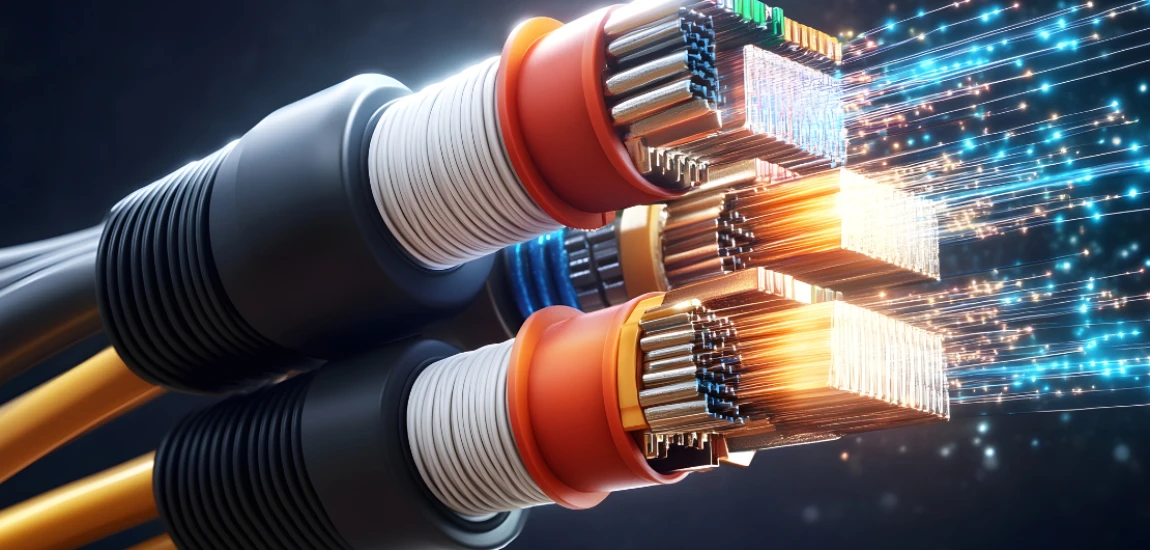
Streaming content no longer exists in a neutral playback environment. Every scene, cut, and pacing decision now competes with buffering wheels, dropped frames, and fluctuating bandwidth. As global audiences expand across regions with vastly different internet infrastructure, platforms face a critical challenge: how to preserve engagement when network conditions vary wildly.
Latency-aware editing is the emerging solution. Instead of assuming a single “ideal” viewing experience, streaming platforms increasingly design content that tolerates — and sometimes actively adapts to — network latency. This affects how long scenes last, how often cuts occur, and even how dialogue and silence are distributed.
Rather than being a technical afterthought, latency has become a narrative variable. Scene length is no longer dictated solely by dramatic intent; it is influenced by how quickly content can load, buffer, and stabilize on a viewer’s device. This invisible adjustment layer allows platforms to reduce abandonment, frustration, and cognitive fatigue across different internet speeds.
Understanding latency-aware editing reveals a new frontier where engineering constraints directly shape storytelling itself.
What Latency-Aware Editing Actually Means

Latency as a storytelling constraint
Latency-aware editing refers to the practice of designing scenes with awareness of network delays, buffering risk, and playback instability. Editors and engineers collaborate to ensure that critical moments are not disrupted by loading issues.
Rather than uniform scene pacing, content is structured to survive imperfect delivery.
Scene length as a buffering buffer
Longer scenes with sustained shots are more resilient to minor buffering delays. Rapid cuts, fast montages, and dense visual information increase the chance of playback disruption under slow connections.
Latency-aware editing adjusts scene length to reduce vulnerability during high-risk moments.
Invisible to viewers, essential to platforms
Viewers rarely notice these changes consciously. However, platforms see clear behavioral differences: fewer drop-offs, smoother completion rates, and reduced frustration in regions with slower internet speeds.
Why Internet Speed Influences Scene Length

The physics of data delivery
High-speed connections can handle rapid scene changes, high motion, and complex visuals. Slower connections struggle with frequent bitrate shifts caused by fast cuts and visual density.
Longer scenes stabilize bitrate delivery and reduce playback stress.
Cognitive impact of buffering
When buffering interrupts emotionally intense scenes, viewers disengage faster. Latency-aware editing places emotional peaks inside network-friendly segments to protect immersion.
This alignment preserves narrative impact even under suboptimal conditions.
Global scalability pressures
A single show may stream simultaneously in fiber-connected cities and low-bandwidth rural regions. Adjusting scene length helps content scale globally without fragmenting the creative vision.
How Platforms Detect Latency Risk Patterns

Playback telemetry and network profiling
Streaming platforms collect anonymized telemetry on buffering events, resolution drops, and abandonment timing. These data points reveal which scenes struggle under latency stress.
Patterns emerge across millions of sessions.
Scene-level performance analytics
Editors receive feedback showing where viewers pause, quit, or rewind due to technical friction. Scenes with high latency sensitivity are flagged for structural adjustment in future episodes.
Predictive latency modeling
Machine learning models now predict how new content will behave across network conditions before release, influencing pacing decisions during post-production.
How Editing Techniques Change Under Latency Awareness

Extended establishing shots
Longer establishing shots provide visual continuity and reduce bitrate volatility. They also allow adaptive streaming systems to stabilize before complex sequences begin.
Dialogue-driven pacing
Dialogue scenes with limited motion are safer under poor connections. Latency-aware edits often cluster exposition and emotional beats into these segments.
Controlled action density
Action scenes are still included, but their duration and placement are optimized. Instead of constant motion, action is broken into fewer, more sustained beats.


Shivya Nath authors "The Shooting Star," a blog that covers responsible and off-the-beaten-path travel. She writes about sustainable tourism and community-based experiences.
Shivya Nath

Prev Post

Next Post