
How Copyright Laws Are Evolving in the Creator Economy
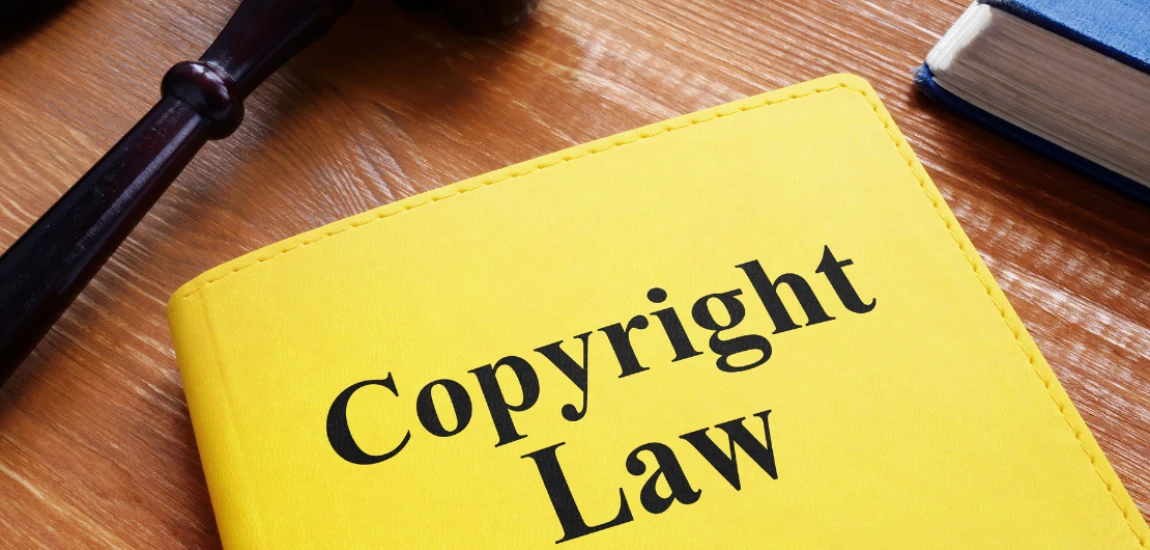
The creator economy has transformed how content is produced, shared, monetized, and consumed. From YouTube creators and TikTok influencers to independent artists and podcasters, millions of people now rely on digital platforms to showcase their work and build personal brands. But as this industry grows, the legal landscape surrounding content ownership has become increasingly complex. Copyright laws, originally designed for a traditional media environment, are being challenged by digital remix culture, user-generated content, and AI-generated media.
Creators must now navigate a landscape where copyright infringement can happen unintentionally, where platforms enforce automated copyright claims, and where AI tools blur the line between original and derivative work. This blog explores how copyright laws are evolving in the creator economy, what creators must understand, and how legal frameworks worldwide are adapting to an era of unprecedented creative output. With digital content becoming a major economic driver, understanding copyright protections is not optional—it’s essential.
The Shifting Landscape of Copyright in the Digital Age

The Rise of User-Generated Content
User-generated content has exploded, with creators producing millions of videos, images, songs, and articles daily. Traditional copyright systems were not built for such scale. As a result, platforms have implemented automated copyright systems that detect and remove content—sometimes accurately, sometimes mistakenly. This massive shift has forced lawmakers to reconsider how copyright should work when millions of people are creating simultaneously.
New Distribution Models and Ownership Rules
Copyright laws must now account for new distribution models such as short-form video, livestreaming, digital art marketplaces, podcasts, and subscription-based creative platforms. Each platform handles ownership differently, creating confusion for creators. For example, some platforms maintain limited licenses to content, while others allow creators to retain full rights. Understanding the legal fine print is crucial for long-term content control.
Globalization of Content and Cross-Border Challenges
Digital content circulates globally within seconds, introducing cross-border copyright issues. What qualifies as fair use or fair dealing varies significantly from one country to another. This makes creator protections uneven and sometimes unclear. As content becomes more international, lawmakers are considering new treaties and frameworks to harmonize rules across regions.
How AI and Automation Are Reshaping Copyright Laws

Challenges of AI-Generated Content
AI-generated content raises critical questions about ownership. If an AI tool generates an image, article, or video based on user prompts, who owns the final product? Current copyright laws require a human creator, which complicates claims over AI-created works. Creators using AI tools must understand that not all AI-generated content is automatically copyright-protected.
Automated Copyright Detection Systems
Platforms like YouTube and Instagram use automated systems to detect copyright violations. While these systems protect creators, they also produce false positives. Creators sometimes face demonetization or removal due to system errors. As automation becomes more common, lawmakers are evaluating whether platforms should be held more accountable for algorithmic mistakes.
Training Data and Copyright Ethics
Another major issue concerns the training data used to build AI models. If an AI system is trained on copyrighted content without consent, does the AI output infringe copyright? This debate has sparked lawsuits and global discussions, prompting governments to redefine what constitutes ethical data usage.
The Rise of Digital Ownership and Creator Rights

Increased Demand for Creator Protection
With creators forming a multi-billion-dollar global economy, legal protections are more important than ever. Creators need clear guidelines on ownership, licensing, and revenue sharing. Many are advocating for stronger legal rights that prioritize creator control over platforms.
Digital Licensing and Content Monetization
As creators monetize through paid subscriptions, merch, digital downloads, and ads, licensing rules have become crucial. Creators frequently license their content for brand deals, collaborations, or public appearances. Understanding how licenses work—exclusive vs. non-exclusive, duration, and rights granted—helps creators avoid exploitation.
Copyright as a Tool for Income Stability
Copyright ownership often determines long-term income potential. For musicians, photographers, authors, and influencers, owning the rights to their work ensures they can continue to monetize it even years later. As the creator economy expands, understanding copyright becomes an essential business skill.
The Complex Role of Platforms in Copyright Enforcement

Platforms as Gatekeepers of Content
Platforms now function as unofficial copyright regulators. YouTube’s Content ID system, TikTok’s music licensing agreements, and Instagram’s automated removals all impact how creators publish content. While these systems aim to protect intellectual property, they also give platforms substantial control over what stays online.
Conflicts Between Platform Policies and Legal Rights
Sometimes, creators comply with copyright law but still face platform penalties due to strict internal policies. For instance, a creator may use content under fair use guidelines, yet automated systems might remove their video. This tension between legal rights and platform enforcement is prompting calls for better dispute processes.
The Push for Transparent and Fair Copyright Policies
Creators are becoming more vocal about fairness. They demand clearer rules, more transparent algorithms, and better communication around copyright claims. Many platforms are introducing appeal systems and educational resources to support creators, but gaps still remain.
Global Legal Reforms Addressing the Creator Economy

New Copyright Directives and Regulations
Governments worldwide are updating laws to reflect the realities of digital content. The EU’s Copyright Directive, for example, introduces new responsibilities for platforms to ensure fair compensation for creators. Similar reforms are being debated in the U.S., UK, Australia, and parts of Asia.
Fair Use, Fair Dealing, and Transformative Content
One major debate is the definition of “transformative content.” Reaction videos, memes, commentary clips, and parodies dominate digital culture. Laws are being reassessed to determine when such content qualifies as fair use and when it infringes copyright. Creators benefit from clearer guidelines but must remain informed as laws evolve.
Protecting Digital Creators Across Borders
International policymakers recognize the need for global cooperation. New frameworks may help creators protect their work across multiple countries simultaneously. This is especially important for content that goes viral, is remixed, or is distributed across platforms with different legal standards.


Shivya Nath authors "The Shooting Star," a blog that covers responsible and off-the-beaten-path travel. She writes about sustainable tourism and community-based experiences.
Shivya Nath
Prev Post
Next Post