
Harmonic Intelligence: Music That Composes Itself by Studying Your Neural Resonance Patterns
What Makes Harmonic Intelligence Different?
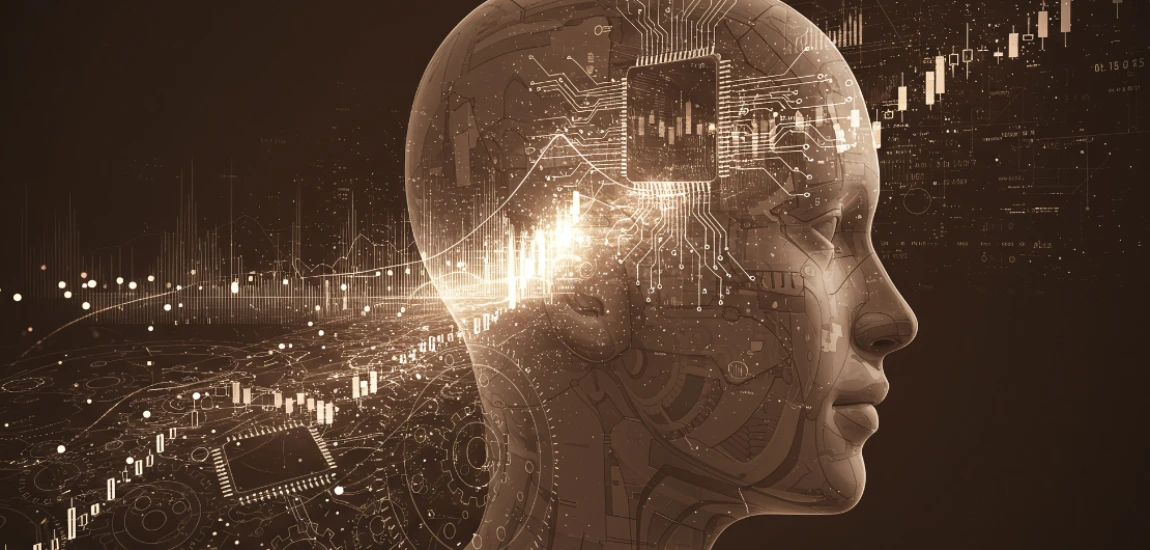
Harmonic Intelligence is a groundbreaking concept in which music is no longer composed solely by human creativity or machine algorithms operating in isolation. Instead, it is co-created with your brain’s natural rhythms, patterns, and oscillations. The core idea behind Harmonic Intelligence music is simple yet profound: your neural resonance becomes the conductor. Rather than choosing a playlist or selecting a mood-setting track, listeners engage in a two-way dialogue with an adaptive system that composes music based on real-time brainwave activity. This emerging form of personalized audio experience blends neuroscience, emotional analytics, biofeedback loops, and generative sound design into something intensely intimate and infinitely variable.
Why Neural Resonance Matters
Neural resonance refers to the frequency-based patterns within your brain that shift with emotion, attention, memory, and sensory processing. Harmonic Intelligence uses sensors or non-invasive brain-reading technology to interpret these patterns and translate them into musical structure. This means the tempo, key, harmony, rhythm, and instrumentation can evolve as you rest, focus, exercise, dream, meditate, or work. Instead of music influencing your mood, your mood shapes the music. This feedback loop creates an intensely individual soundtrack—one that changes every time you listen and aligns precisely with your inner state.
The Emotional Power of Adaptive Audio
Emotional resonance and music are deeply intertwined. Research shows that music alters cognitive load, reduces stress, and enhances creativity. Harmonic Intelligence amplifies these effects by removing artificial distance between your emotional state and what you hear. The resulting experience feels intuitive, immersive, and deeply human—even when powered by advanced generative algorithms. Instead of passive listening, you become an active collaborator in the creation process, crafting sounds that match your psychological and neurological needs in real time.
How Harmonic Intelligence Music Interprets Neural Signals

Brainwave Mapping and Audio Translation
At the core of Harmonic Intelligence systems lies the ability to map neural signals into musical parameters. Brainwaves—alpha, beta, delta, gamma—carry distinct emotional and cognitive signatures. By interpreting these patterns, Harmonic Intelligence frameworks translate brain activity into melody, rhythm, dynamic shifts, and sound textures. A listener in deep focus may generate sharp rhythmic structures and harmonic stability, while a listener drifting toward sleep produces softer ambient layers and elongated sonic waves.
Emotion Tracking and Micro-Adjustment Systems
Emotion tracking sensors detect subtle changes—stress spikes, calm waves, anticipation surges, curiosity cues. Harmonic Intelligence reacts by adjusting musical intensity, harmonic warmth, or melodic flow. This is not merely background music but a dynamic emotional mirror. If your attention wavers, the composition may shift toward higher stimulation. If you become overwhelmed, the system may introduce calming frequencies. Harmonic Intelligence music functions almost like an empathetic composer that understands your boundaries and supports your emotional journey.
Predictive Neural Modeling for Future States
Advanced systems don’t just read your current neural state—they predict where it’s going. This predictive modeling allows music to anticipate your emotional trajectory. For example, if the system detects early stress markers, it can shift tonality before your body fully registers discomfort. This creates a form of pre-emptive emotional regulation through adaptive soundscapes. Over time, the system learns your patterns, becoming more intuitive and personal, much like a musician who understands your tastes deeply.
Applications of Harmonic Intelligence in Everyday Life

Wellness, Stress Relief, and Mental Clarity
One of the most transformative applications of Harmonic Intelligence music lies in wellness. Adaptive audio can lower cortisol levels, improve sleep quality, refine focus, and enhance meditation. Unlike standard relaxation tracks, Harmonic Intelligence tunes itself to your brain’s exact state, providing targeted support. Whether you're calming anxiety, preparing for deep work, or recovering from sensory overload, the music evolves in lockstep with your needs.
Productivity and Cognitive Enhancement
For professionals, students, or creators, Harmonic Intelligence offers an optimized productivity companion. Brain-synced audio can enhance concentration, reduce distractions, and sustain attention. Because the system tracks cognitive fatigue and mental overload, it adjusts complexity and tempo to help maintain steady flow. This makes Harmonic Intelligence music ideal for long work sessions, writing, coding, or studying.
Entertainment, Gaming, and Immersive Experiences
Entertainment becomes dramatically more personalized when music reacts to your neural patterns. In gaming, adaptive soundtracks could mirror adrenaline spikes or tension surges. In virtual reality environments, the music could shift as your emotional engagement fluctuates. Streaming platforms may offer dynamic music scores that evolve as you watch, making every viewing experience unique. Harmonic Intelligence has the potential to transform all audio narratives into deeply individualized journeys.
The Technology Behind Adaptive Neural Music Systems

Non-Invasive Neural Sensors and Wearables
Modern Harmonic Intelligence relies on advanced sensors capable of reading brainwaves without requiring intrusive hardware. Lightweight headbands, earbuds with neural-reading capabilities, or biometric patches can capture real-time neural resonance data. These devices integrate seamlessly with everyday environments, making Harmonic Intelligence music accessible without heavy equipment or complex setups.
Generative Music Algorithms and AI Composition
The musical engine behind Harmonic Intelligence is powered by generative algorithms. These systems don’t follow pre-written compositions; instead, they build music dynamically using pattern recognition, probabilistic modeling, and emotional mapping. Tonal structures, rhythmic layers, melodic motifs, and ambient textures are all constructed and modified on the fly based on your neural signals. The result is music that is endlessly adaptive yet emotionally coherent.
Neural Feedback Loops and Learning Systems
Over time, the system learns how your brain behaves in various conditions, refining the composition engine based on past sessions. This learning allows Harmonic Intelligence to adjust more accurately, offering improved emotional regulation and musical personalization. Neural feedback loops help the system identify what musical structures best support your emotional and cognitive goals, creating a progressively tailored soundtrack unique to you.
Creative Implications for Artists and Composers

A New Collaborative Medium Between Human and Machine
Harmonic Intelligence doesn’t replace human creativity—it expands it. Artists can experiment with compositions that respond to listener behavior, creating new forms of interactive sound art. Musicians might craft frameworks where certain harmonic signatures trigger dynamic shifts based on listener brainwaves, creating living, breathing compositions that change with every audience.
Personalized Albums and Brain-Synced Performances
Imagine albums that sound slightly different for every listener, or concerts where music adapts to audience energy in real time. Harmonic Intelligence opens doors to personalized musical storytelling and immersive performances. Artists can design modular compositions that interact with neural resonance data, making every experience unique and deeply emotional.
New Genres Emerging From Neural Dynamics
As more artists explore this technology, entirely new genres may emerge—brainwave jazz, neural ambient, resonance-driven orchestral forms, adaptive techno. Instead of fixed genres, music becomes fluid and experiential, shaped by the interplay between listener and machine.
The Future of Harmonic Intelligence: Ethical, Emotional, and Creative Horizons

Privacy and Ethical Considerations
With neural data at the core of Harmonic Intelligence music, privacy becomes a crucial concern. Future frameworks must protect user data, prevent exploitation, and maintain transparency. Ethical design will be essential to ensure that personal neural information remains secure.
Emotional Well-Being and Psychological Empowerment
Harmonic Intelligence has the potential to enhance emotional resilience, improve self-awareness, and empower users to regulate mood more effectively. By offering music that understands and supports emotional needs, the technology becomes a powerful tool for mental health and cognitive balance.
A Personalized Future for Music and Sound
As technology evolves, Harmonic Intelligence could redefine entertainment, wellness, and creative expression. We may enter an era where playlists disappear, replaced by adaptive audio landscapes that reflect who we are moment by moment. Music becomes not just something we consume but something we co-create with our own neural rhythms.


Known as "Nomadic Matt," Matthew Kepnes offers practical travel advice with a focus on budget backpacking. His blog aims to help people travel cheaper and longer.
Matthew Kepnes

Prev Post

Next Post