
Generative Artifacts: When AI Mistakes Become Design Trends
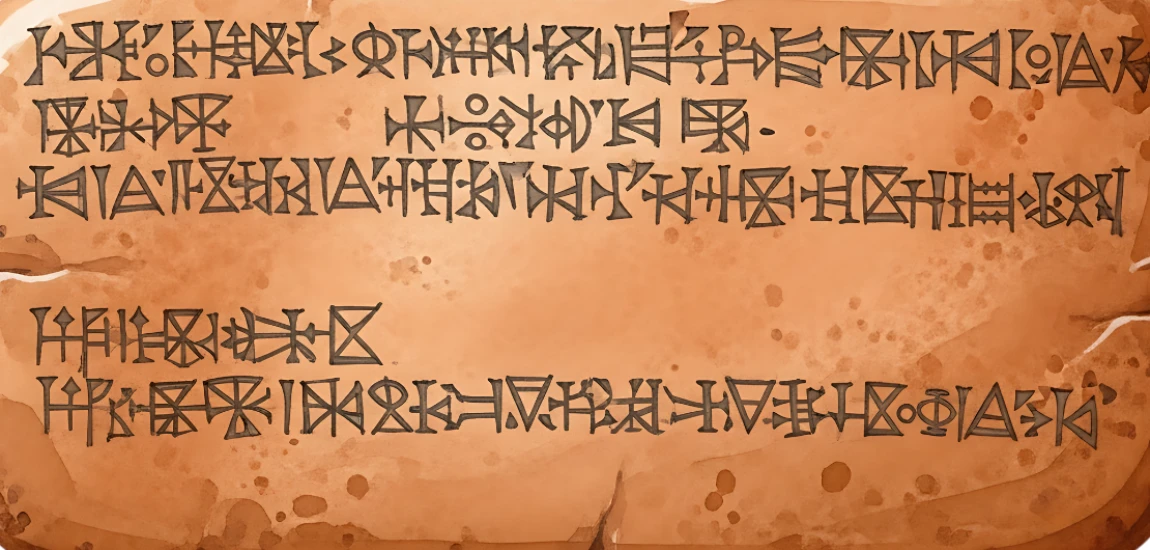
Why AI Mistakes Captivate the Creative World
Generative AI tools—like image models, diffusion systems, and large creative engines—have transformed the design landscape. But what’s surprising is not just their ability to produce high-quality art; it’s the fascination with their mistakes. Visual distortions, warped anatomy, impossible geometry, strange shadows, and uncanny textures have captured the attention of designers globally. These “generative artifacts” began as errors but quickly became sources of inspiration. Their strangeness, unpredictability, and rawness break away from the polished, predictable aesthetics of digital design, offering a refreshing counterculture edge. Creators value these artifacts because they introduce chaos into an already hyper-optimized digital world.
The Internet’s Role in Turning Glitches Into Trends
Platforms like TikTok, Instagram, Reddit, and Twitter have accelerated the adoption of generative artifacts as artistic statements. When artists share bizarre outputs—extra fingers, warped letters, nonlinear shapes—they quickly go viral. The internet celebrates these imperfections because they feel organic, unexpected, and deeply human in contrast to the idea of AI perfection. The rapid spread of glitched outputs transforms them into design languages. Once people begin remixing, reinterpreting, and repurposing these artifacts, they evolve into recognizable trends.
From Error to Aesthetic: The Cultural Shift
Historically, society celebrated perfection: photorealism, symmetry, clean minimalism. The obsession with flawless digital production pushed design into a space of predictability. Generative artifacts flipped this expectation. Users began appreciating flaws as intentional artistic direction, signaling authenticity in a world of automated polish. Imperfection becomes a narrative—evidence of AI learning, failing, and evolving. This cultural shift mirrors broader movements toward anti-perfectionism, digital grunge, and postmodern aesthetics.
Understanding Generative Artifacts: What They Are and Why They Happen

How AI Models Produce Visual Errors
AI systems learn from vast datasets—but they also inherit inconsistencies, distortions, and gaps in that data. When a prompt touches these weak points, models generate strange visuals: floating limbs, impossible architecture, collapsed shadows, or mismatched textures. These anomalies are not random; they reflect the algorithm trying to approximate patterns it never fully understood. The model “fills in the blanks” with its own logic, resulting in artifacts that are equal parts alien and poetic. These moments of misalignment between intention and output are where creativity thrives.
Common Types of Artifacts in Generative Design
The most well-known artifact is anatomical distortion—hands with too many fingers or faces with asymmetrical features. But generative error categories extend far beyond this. Lighting inconsistencies, fractal textures, collapsing objects, impossible reflections, symbolic echoes, duplicated elements, and hyper-smooth surfaces all fall under generative artifacts. Typography is particularly prone to errors: warped letters, melted text, or unreadable glyphs that feel like cryptic symbols. These mistakes have become aesthetic signatures of the AI era.
The Allure of the Uncanny and Imperfect
Humans are inherently drawn to the uncanny—things that feel almost real but slightly off. Generative artifacts sit exactly in that psychological space. These flawed visuals challenge our expectations and invite interpretation. They push boundaries and spark curiosity. Designers value them because they introduce elements of unpredictability and strangeness that cannot be manufactured manually. In a world where perfection is achievable, imperfection becomes the frontier of innovation.
Why AI Mistakes Became a Major Design Trend

The Search for Authenticity in a Computational World
As AI-generated content becomes more normalized, it risks blending into a sea of sameness. Smooth gradients, polished photorealism, and algorithmic precision are no longer impressive—they’re expected. Generative artifacts stand out precisely because they break the mold. They feel authentic, raw, and unfiltered. Creators, especially younger audiences, crave this authenticity as an antidote to overly curated digital environments.
Mistakes as Markers of Humanity and Emotion
Ironically, AI mistakes often feel more human than AI perfection. The slight miscalculations resemble artistic experimentation rather than machine accuracy. Designers harness artifacts because they create emotional resonance. They evoke nostalgia for glitch art movements, early CGI limitations, and analog imperfections. Generative artifacts feel like digital brushstrokes—proof of process, evolution, and vulnerability.
Trend Cycles Favor the Strange, Fast, and Remixable
Modern design trends spread rapidly, especially through social platforms that reward novelty. Generative artifacts are inherently viral. They’re remixable, humorous, visually captivating, and often confusing in a delightful way. Communities on TikTok, Instagram, and Discord share them not only as art but as memes, references, and aesthetic statements. This rapid circulation transforms each mistake into a foundation for new creative movements.
How Designers and Creators Use Generative Artifacts Intentionally

From Unintentional Output to Strategic Aesthetic
Designers have now learned to intentionally coax artifacts from AI systems. By manipulating prompts, experimenting with obscure datasets, or pushing models into unfamiliar territory, they produce controlled chaos. Artists use repetition, remixing, layering, and glitch-augmentation techniques to turn mistakes into stylistic signatures. These outputs become album covers, posters, branding elements, UI concepts, and even fashion prints.
Artifacts as Visual Storytelling Tools
Generative artifacts add narrative depth. A warped character, distorted environment, or fragmented texture can imply emotional tension, surreal storytelling, or thematic ambiguity. Creators use artifacts to evoke feelings of dream logic, digital decay, alternate realities, or unexplained worlds. The aesthetic becomes a gateway for storytelling—an invitation for viewers to interpret meaning.
Using Controlled Imperfection for Branding and Identity
Brands seeking bold, nontraditional aesthetics now embrace generative artifacts to differentiate themselves. Glitched typography, distorted logos, or surreal imagery signal innovation and cultural relevance. Tech companies, fashion labels, music artists, and experimental studios leverage artifacts to position themselves as forward-thinking and avant-garde. This flips branding norms: instead of polished perfection, intentional flaws communicate creative disruption.
The Commercial and Cultural Impact of AI-Driven Imperfections

Generative Artifacts in Marketing and Advertising
Marketers use AI imperfections to create attention-grabbing campaigns. Imperfect designs break scrolling patterns and stop users mid-feed because they feel unexpected. Advertisements featuring glitched visuals, warped 3D elements, or impossible shapes tend to perform better due to their novelty. Brands leverage this to create campaigns that appear experimental and culturally aware.
Influence on Fashion, Architecture, and Physical Design
The influence of generative artifacts has moved beyond digital screens. Fashion designers integrate AI glitches into textiles, prints, and silhouettes. Architectural firms use AI-generated distortions to conceptualize surreal structures that challenge spatial logic. Product designers experiment with 3D-printed artifacts that mimic AI imperfections in physical form. AI mistakes shape real-world aesthetics in tangible, unexpected ways.
The Memeification of AI Errors
Generative artifacts often become memes—especially when AI mistakes go viral for being funny, creepy, or absurd. This meme-driven spread accelerates their integration into mainstream culture. When AI-generated mistakes become cultural moments, they fuel interest in the aesthetic and inspire thousands of reinterpretations. This blending of meme culture and design innovation makes generative artifacts a cultural powerhouse.


Kate McCulley, the voice behind "Adventurous Kate," provides travel advice tailored for women. Her blog encourages safe and adventurous travel for female readers.
Kate McCulley
Prev Post
Next Post