
Frontier Fiction: Storytelling at the Edge of Space, Tech & Humanity
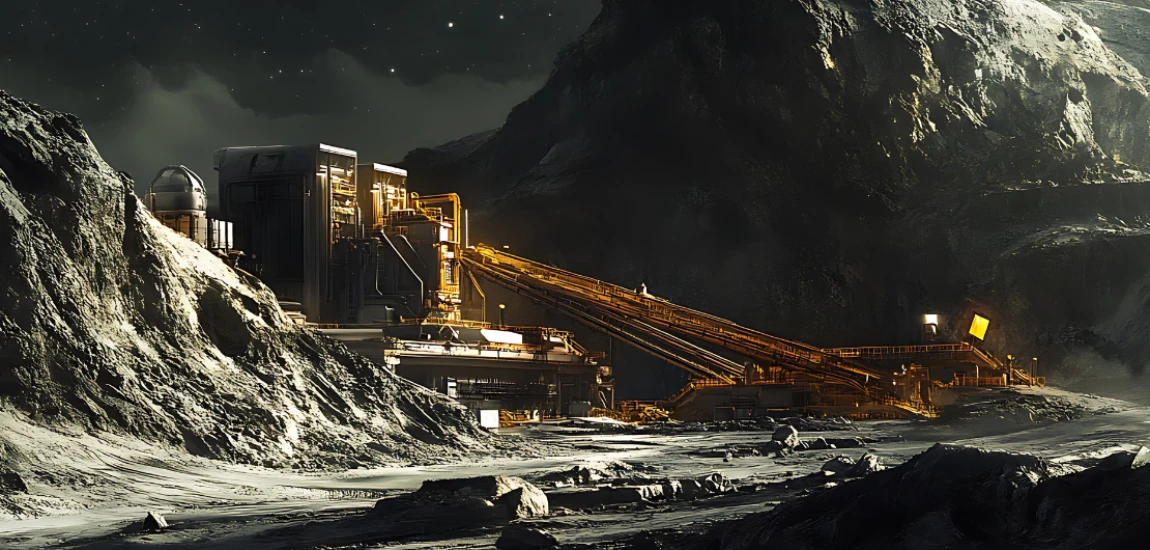
Frontier Fiction is more than a genre—it’s a storytelling movement that sits at the crossroads of cosmic imagination, technological acceleration, and humanity’s deepest existential questions. As space travel becomes increasingly plausible, AI evolves into a co-creator, and digital consciousness enters the cultural vocabulary, creators are tapping into new tools and inspirations to reimagine what stories can be. This emerging narrative landscape doesn't just project the future—it interrogates it, shapes it, and provokes audiences to question their place within it. Frontier Fiction occupies the liminal space between science and speculation, offering storytellers unprecedented freedom to build worlds that reflect both our fears and our aspirations. In this blog, we’ll explore how these futuristic themes reshape narrative design, character development, worldbuilding, and the audience’s emotional journey.
The Expanding Canvas of Space-Inspired Storytelling

Cosmic Scale as a Narrative Driver
One of the defining traits of Frontier Fiction is its ability to leverage the vastness of space to create inherently high-stakes storytelling. Cosmic distances introduce natural obstacles—communication delays, isolation, time dilation, and the psychological impact of seeing Earth as a distant dot. Stories like these emphasize fragility and resilience, pushing characters into existential territory. Modern creators also use space as a metaphor for both hope and emptiness, blending physical danger with emotional gravity. Frontier Fiction uses cosmic scale not just for spectacle but for symbolism, exploring the emotional consequences of venturing beyond the known universe.
Non-Earth Ecosystems & Creative Worldbuilding
Creating worlds beyond Earth gives storytellers unprecedented flexibility. Instead of repeating familiar planetary tropes, Frontier Fiction encourages hybrid ecosystems—bioengineered habitats, terraformed colonies, or rogue objects shaped by unknown physics. These environments don’t just serve as backdrops; they become active participants in the narrative. A planet with volatile atmosphere layers or islands floating through magnetic storms becomes a dynamic antagonist. This type of worldbuilding pushes creators to integrate real scientific theories while still allowing for imaginative leaps.
Space as a Mirror to the Human Condition
Space stories often surface deeper human themes: isolation, longing, reinvention, and the desire for meaning. Frontier Fiction positions the cosmos as a psychological arena where characters confront their fears, traumas, and aspirations. Whether it's a scientist who discovers alien life or a pilot navigating a collapsing star system, characters must face internal conflicts as significant as the external ones. This blend of scale and introspection gives Frontier Fiction its emotional depth.
Technology as a Co-Author: How Tools Shape New Narratives

AI-Assisted Storytelling and Creative Co-Pilots
Generative writing tools, AI-assisted worldbuilders, and real-time narrative engines are transforming how stories are created. In Frontier Fiction, technology isn’t just a theme—it’s part of the process. AI systems can generate character profiles, maps of star systems, or possible plot variations, allowing writers to iterate more quickly and explore narrative branches that would be too time-consuming manually. This collaborative approach accelerates creativity while maintaining the author's unique voice.
Dynamic Narratives Shaped by Real-Time Data
Some creators experiment with live data—space weather reports, solar activity, climate modeling—to shape their fictional worlds dynamically. Imagine a story where a ship's survival depends on actual solar flare forecasts or a world that evolves according to real-time astronomical data. This aligns with Frontier Fiction's desire to blend scientific accuracy with narrative experimentation. Such data-driven storytelling invites readers to experience fiction as something living, adaptable, and linked to the real universe.
Tech-Inspired Aesthetics and Hybrid Story Forms
Frontier Fiction embraces multimedia formats—AI-rendered visuals, VR environments, interactive timelines, or holographic characters. Each piece contributes to a cohesive world that transcends text alone. As technology continues to evolve, stories become immersive ecosystems, not just linear experiences. This fusion of tools and narrative provides endless opportunities for innovation.
Reimagining Humanity: Characters Evolved by Science & Space

Transhuman Characters and Augmented Identity
As technology and biology intertwine, Frontier Fiction introduces characters who embody enhanced or hybrid forms—cybernetic explorers, genetically modified settlers, or consciousness transferred across bodies or machines. These characters challenge traditional arcs because their internal conflicts often revolve around identity, memory, and connection. The tension between the organic and artificial becomes a rich territory for emotional depth.
Emotional Worlds in Extreme Environments
Space environments test human psychology in ways terrestrial stories rarely do. Low-gravity births, multi-generation ships, clones raised in isolation, or colonists adapting to alien atmospheres—all of these scenarios affect emotional development. Frontier Fiction uses these contexts to explore the evolution of empathy, fear, relationships, and cultural rituals in environments far removed from Earth’s comfort.
New Archetypes for a New Era
Traditional archetypes—the hero, the mentor, the skeptic—are reinvented. The explorer might be a synthetic intelligence learning to understand humanity. The mentor could be a long-dead scientist whose consciousness persists in a quantum archive. The skeptic might be a character raised by machines who distrusts organic emotion. These evolving archetypes allow Frontier Fiction to push beyond predictable narratives.
Worldbuilding Beyond Physics: Blending Science & Speculation

Speculative Science as Narrative Infrastructure
Frontier Fiction draws heavily from cutting-edge astrophysics, biotechnology, and quantum theory. But instead of being confined by scientific limitations, creators use these theories as springboards. For example, wormhole travel might follow plausible quantum models, but introduce narrative twists like consciousness fragmentation or time ripple effects. This flexibility maintains immersion while allowing the story to remain fresh and original.
Balancing Hard Science and Narrative Magic
Some stories lean toward "hard sci-fi," while others embrace surreal or metaphysical elements, blending the scientific with the mythic. Frontier Fiction occupies a middle ground: it respects scientific constraints but isn’t afraid to break them creatively. The fusion of physics, metaphysics, and internal logic is what makes the genre feel both grounded and dreamlike.
Cultural and Ecological Diversity Across Worlds
As creators design off-world civilizations, Frontier Fiction expands cultural imagination. Aliens may evolve from crystalline structures, colonists may create new social norms based on resource scarcity, or entire cities may exist within living organisms. These speculative ecosystems give each narrative a unique atmosphere shaped by both science and creative intuition.


Shivya Nath authors "The Shooting Star," a blog that covers responsible and off-the-beaten-path travel. She writes about sustainable tourism and community-based experiences.
Shivya Nath

Prev Post
Next Post