
From Watch Parties to Live Chats: How Group Viewing Is Making a Comeback
The Rise, Fall, and Revival of Shared Viewing
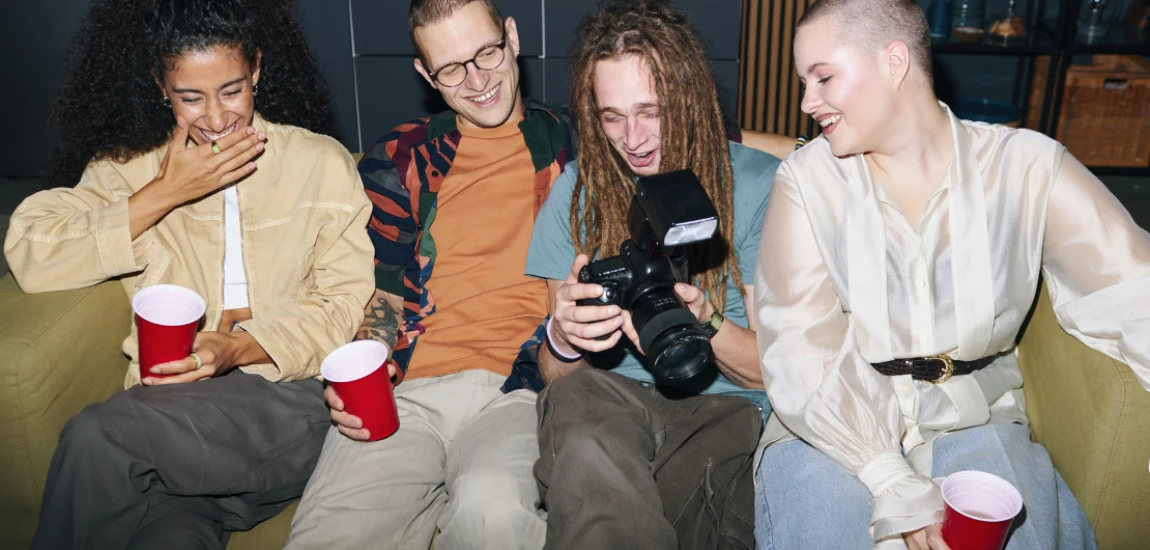
For decades, watching TV or movies was a social event—families gathered around a living room screen, friends attended premieres, and audiences collectively gasped, laughed, or cried in real time. Then came the streaming revolution. Suddenly, entertainment became solitary and on-demand. But now, group viewing in the streaming age is making a powerful comeback.
Platforms like Netflix, Disney+, and Amazon Prime have reintroduced the “together” element through virtual watch parties, synchronized streams, and interactive live chats. After years of hyper-personalized viewing, audiences are rediscovering the joy of shared reactions and real-time discussion.
Why the Shift Is Happening
The pandemic accelerated virtual socialization, creating a demand for digital togetherness. People wanted to stay emotionally connected even when physically apart. This reshaped viewing behavior—synchronous watching became a form of social bonding, replacing the old living-room experience with virtual equivalents.
The Emotional Pull of Collective Experience
Psychologically, shared viewing amplifies emotion. Studies show that people laugh harder, cry longer, and feel more invested when watching with others. Whether through emojis in a Twitch stream or memes in a live chat, group viewing allows audiences to participate in a cultural conversation rather than consume passively. In short, it turns entertainment back into community.
Streaming Platforms Are Getting Social: The New Tools of Connection

Watch Parties as Built-In Features
Streaming giants have realized that connection drives retention. Netflix introduced Netflix Party (now Teleparty), while Disney+ rolled out GroupWatch, allowing synchronized playback and reaction emojis. Amazon Prime Video, Hulu, and YouTube have followed suit, integrating social features to encourage users to co-view from anywhere.
The Evolution of Live Chat Culture
Platforms like Twitch and YouTube Live have proven that live interaction deepens engagement. Streamers, creators, and viewers interact in real time—discussing plot twists, analyzing performances, or even co-creating memes. This sense of immediacy builds a loyal, participatory audience that traditional streaming lacks.
Why Platforms Are Investing in Community
Beyond engagement, group viewing offers powerful data insights. Platforms can analyze chat behavior, reaction timing, and participation metrics to understand emotional triggers. This helps refine algorithms for future recommendations and tailor social experiences that keep users watching longer.
Essentially, streaming services are transforming into hybrid entertainment ecosystems—part cinema, part social network.
The Psychology Behind Group Viewing: Why We Love Watching Together

Shared Emotion Amplifies Enjoyment
When people experience emotions in groups—whether excitement, fear, or joy—their reactions intensify. This “emotional contagion” effect makes shared viewing inherently more satisfying. A jump scare in a horror movie feels scarier when others gasp along. A plot twist feels bigger when it’s collectively dissected in chat.
The Need for Belonging
Humans are wired for connection. In a world dominated by algorithmic feeds and personalized recommendations, group viewing satisfies the deep psychological need for belonging. It turns viewers into participants, not spectators—part of a shared narrative experience.
Parasocial Bonds and Digital Community
Fans also build parasocial relationships—emotional connections with on-screen characters or content creators. When shared with others, these bonds deepen into community identity. Fandoms thrive on these shared parasocial moments, transforming simple viewing into cultural rituals that reinforce identity and belonging.
How Social Media Is Fueling the New Viewing Experience

Second Screens, Double Engagement
Social media platforms have become the digital “after-party” for streaming content. Twitter threads dissect every episode, TikTok edits amplify memorable scenes, and Reddit forums host deep-dive analyses. The line between watching and discussing has blurred—now they happen simultaneously.
Live-Tweeting and Real-Time Commentary
Live-tweeting during events like The Oscars or Euphoria episodes turns solo viewing into a collective digital experience. Hashtags become rallying points for millions of viewers sharing memes, hot takes, and reactions in real time. This form of synchronized commentary revives the “appointment television” vibe of the pre-streaming era.
Fandoms as Micro-Communities
Social media has also turned fandoms into organized micro-communities. Platforms like Discord host private viewing sessions, while fan-run subreddits coordinate watch schedules and debates. For many, the post-show discussion is just as important as the show itself. The show becomes an entry point into a cultural dialogue—shared, sustained, and endlessly remixable.
The Technology Making Virtual Viewing Seamless

Synchronized Streaming
Technological innovation has solved the problem of lag and desynchronization. Services like Scener and Kast offer synchronized video playback across browsers, ensuring everyone experiences scenes in perfect unison. This synchronization is key to maintaining immersion and emotional flow.
Interactive and Immersive Tools
Emerging tech like virtual reality (VR) and the metaverse is taking group viewing to another level. Imagine watching a film premiere in a 3D virtual cinema with friends represented as avatars. Platforms such as Meta Horizon Worlds and VRChat are experimenting with immersive communal entertainment.
Integration Across Devices
Cross-device integration now allows seamless transition from TV to phone to tablet, keeping viewers connected no matter where they are. Built-in chat overlays, reaction buttons, and AI moderation tools ensure a balanced social experience—fun without chaos.
The tech isn’t just making group viewing possible—it’s making it natural, intuitive, and emotionally rich.
The Cultural Impact: From Passive Watching to Participatory Media

Streaming as a Shared Ritual
Group viewing is redefining media from something we consume to something we experience together. Watch parties are replacing solo binges with community events, where viewers interact, analyze, and even co-create. The ritual of shared viewing is returning—just in digital form.
Creators and Studios Are Adapting
Studios and showrunners now design releases with audience participation in mind. Releasing episodes weekly encourages ongoing conversation, anticipation, and community retention. Platforms like Amazon’s The Boys and HBO’s House of the Dragon have successfully leveraged this, blending streaming convenience with collective excitement.
The Future: Participatory Storytelling
The future of group viewing lies in interactive narratives—stories that evolve based on collective audience input. Platforms are experimenting with audience-driven outcomes, voting systems, and real-time feedback loops. In essence, the viewers become co-authors, shaping stories through shared engagement.
This shift from passive to participatory media marks a profound transformation in how entertainment is created, distributed, and experienced.


Operating "The Blonde Abroad," Kiersten Rich specializes in solo female travel. Her blog provides destination guides, packing tips, and travel resources.
Kiersten Rich

Prev Post
Next Post