
Fragmented Consciousness: Living in the Scroll
The Infinite Feed and the End of Closure
The scroll is more than a digital feature—it’s a metaphor for a new mode of being. Infinite feeds, from Instagram to TikTok, erase the idea of completion. There’s always one more post, one more story, one more update waiting. This endlessness traps the mind in a state of suspended resolution, where every moment feels both urgent and unfinished. The result is a subtle psychological tension: we’re constantly stimulated but never satisfied.
The Erosion of Narrative
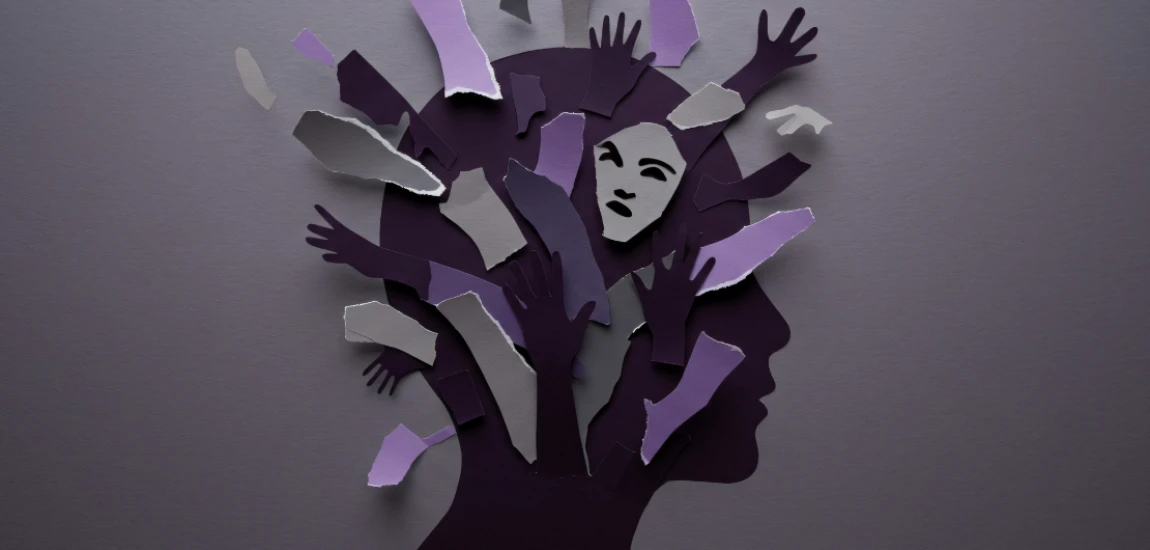
Scrolling fragments the linear flow of thought. Traditional narratives—beginning, middle, end—are replaced by micro-stories, each competing for a few seconds of attention. We’re no longer living inside cohesive plots but drifting through discontinuous fragments. This shift mirrors how consciousness itself is being reprogrammed: scattered, nonlinear, and algorithmically sorted.
Attention as the New Currency
Every swipe generates data, and every second of attention is monetized. Platforms optimize for engagement, not meaning, shaping interfaces that reward impulsive reactions over reflection. In this economy of distraction, attention becomes both product and currency. The more fragmented our focus, the easier it is to predict—and therefore to control.
The Architecture of Distraction

Designing for Addiction
Social platforms are designed to hijack cognitive psychology. Features like infinite scroll, autoplay, and notifications exploit reward mechanisms in the brain, creating a dopamine-driven loop. These interfaces are not neutral—they are behavioral architectures engineered for compulsion. Each swipe or tap triggers a micro-dose of satisfaction, training users to crave more.
The Loop of Anticipation
Unlike television or books, which end, scrolling offers the illusion of infinite novelty. Yet what keeps us scrolling isn’t discovery—it’s anticipation. The next post might be funnier, more shocking, or more affirming. This constant state of “almost satisfaction” keeps the loop alive, producing a restless, fragmented awareness.
The Design of the Feed as Power Structure
Behind every feed lies an algorithm deciding what deserves your attention. These systems prioritize engagement metrics over human well-being, amplifying emotion, outrage, and novelty. The feed becomes not just a technological structure but a political one—a filter that defines what counts as reality in the digital age.
The Fracturing of Time and Memory

Living in Perpetual Present
The scroll eliminates temporal distance. News from five minutes ago feels as significant as an event from five years ago. In this endless present, memory collapses into immediacy. We no longer reflect; we refresh. The rhythm of life becomes synchronized with the rhythm of the feed—a constant now that never settles into meaning.
The Algorithmic Archive
Paradoxically, while our perception of time narrows, our digital footprints expand endlessly. Every photo, comment, or like becomes part of an algorithmic archive that remembers for us. But this memory isn’t ours—it belongs to platforms. The result is a fragmented memory system: human forgetting replaced by machine remembrance, but without the emotional coherence that gives memory meaning.
From Reflection to Reaction
The speed of the feed discourages depth. Instead of contemplation, we perform rapid evaluations—likes, shares, comments. Thought is compressed into gesture. Over time, this trains the brain toward immediacy, weakening the neural pathways associated with sustained focus and reflection. We become quicker but shallower thinkers, optimized for reaction rather than understanding.
The Self in Pieces: Identity in the Scroll

Performing the Fragmented Self
On social media, identity becomes a series of snapshots—performative fragments curated for visibility. Each post, selfie, or story functions as a self-contained performance. The scroll turns the self into content, and the act of self-expression becomes an act of branding. What was once inner narrative becomes an external feed.
Algorithmic Validation and Emotional Dependency
The structure of likes, comments, and shares transforms social validation into quantifiable metrics. Our sense of worth becomes measurable in data points. This datafied identity feeds back into our consciousness: we begin to think of ourselves through the lens of engagement metrics. The more we scroll, the more we internalize the logic of the machine.
The Disappearance of Privacy
The constant visibility demanded by digital culture erodes boundaries between public and private life. In the economy of attention, even intimacy becomes a performance. The interface rewards exposure over authenticity, pushing users toward constant self-display. Over time, this leads to emotional burnout and a distorted sense of selfhood—an identity always optimized for the gaze of others.
Cognitive Dissonance in the Digital Mind

Multitasking as Myth
We often celebrate multitasking as a digital skill, but neuroscience tells a different story. The human brain doesn’t multitask—it switches rapidly between tasks, losing focus and energy each time. The scroll trains us to live in perpetual interruption, weakening our ability to sustain thought. This constant fragmentation becomes the default cognitive state of the digital mind.
The Paradox of Connection
The scroll promises connection but delivers isolation. While we are surrounded by updates, we rarely experience genuine dialogue. The endless flow of content creates a simulacrum of community—a sense of being “with others” that lacks depth and reciprocity. This paradox intensifies loneliness even amid hyperconnectivity.
Emotional Fatigue and Digital Overstimulation
Exposure to constant content—news, humor, tragedy, and outrage—leads to emotional dissonance. We scroll from catastrophe to meme within seconds, compressing incompatible emotions into one stream. This emotional whiplash erodes empathy and desensitizes us. The mind adapts by detaching—a coping mechanism that deepens the sense of fragmentation.
Reclaiming Attention: Toward Wholeness in the Age of the Feed

The Practice of Digital Mindfulness
Rebuilding focus requires conscious resistance to the logic of the scroll. Techniques like digital minimalism and mindful browsing can restore agency. Setting intentional limits—such as scheduled screen-free hours or disabling infinite scroll—interrupts the cycle of compulsion. Mindfulness transforms the act of scrolling from automatic behavior into deliberate choice.
Curating the Feed as Self-Defense
One practical step toward reclaiming attention is curation. Unfollowing toxic accounts, muting algorithmic recommendations, and prioritizing long-form content can reshape how information enters the mind. The goal is not withdrawal but recalibration: using technology with awareness rather than submission.
Designing for Attention, Not Addiction
The responsibility doesn’t fall only on users. Designers, developers, and tech companies must rethink the ethics of attention. Creating humane interfaces—those that encourage reflection rather than reflex—represents the next frontier of digital design. The future of consciousness depends on technologies that honor slowness, presence, and depth.


Kate McCulley, the voice behind "Adventurous Kate," provides travel advice tailored for women. Her blog encourages safe and adventurous travel for female readers.
Kate McCulley

Prev Post

Next Post