
Fandom Genetics: How Online Communities Evolve Into Cultural Movements
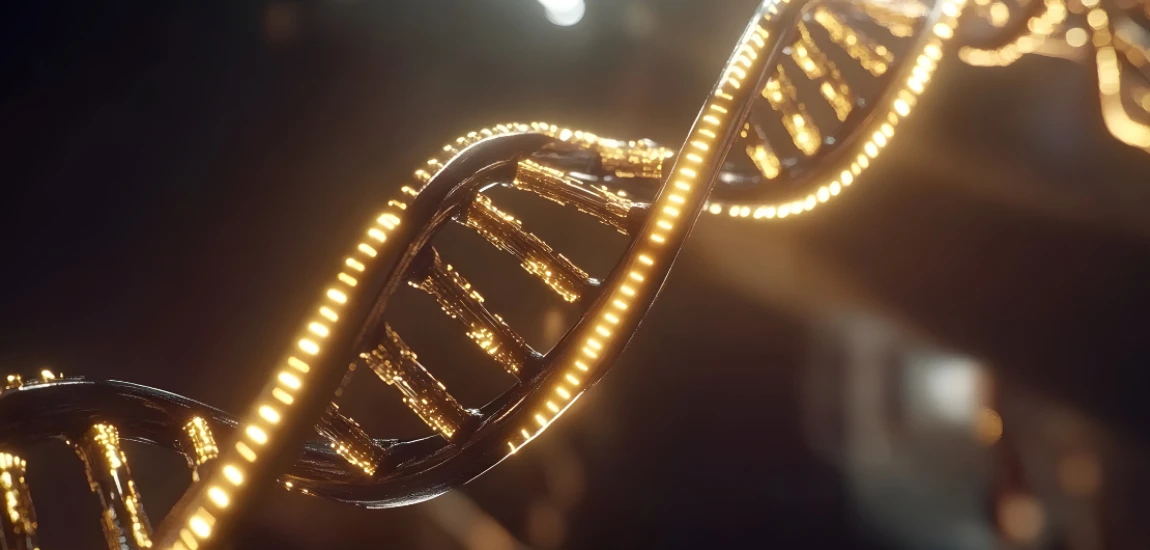
In the digital age, fandoms are no longer just groups of passionate fans—they are dynamic, evolving ecosystems capable of influencing culture, media, and even societal trends. The concept of fandom genetics refers to how online communities replicate, mutate, and evolve, much like biological organisms, spreading ideas, aesthetics, and narratives across platforms. Social media, discussion boards, and content-sharing platforms have accelerated this evolution, allowing fandoms to grow rapidly, adapt to new contexts, and impact mainstream culture.
Online communities create shared identities, collective norms, and participatory storytelling practices. They incubate cultural artifacts, memes, and rituals that transcend their original media, often leading to new creative forms, merchandising, and even social activism. The study of fandom genetics reveals how small clusters of fans can influence global entertainment trends, transform media franchises, and inspire community-driven cultural movements.
This blog explores the mechanisms behind fandom evolution, the social and technological forces that shape it, and actionable insights for creators, brands, and cultural strategists seeking to harness the power of digital fandoms.
The DNA of Fandom: Understanding Core Structures

Origins and Formation of Fandom Communities
Fandoms typically begin with shared interest in a piece of media, such as a book series, film, game, or musician. Early adopters form niche online spaces—Reddit threads, Discord servers, Tumblr blogs—where discussions, fan art, and fan fiction flourish. These foundational interactions are the "genetic material" that defines the community’s culture, norms, and identity. Early participants often establish the tone, language, and rules of engagement, which guide future members’ behavior.
Subgroups and Fandom Specialization
As communities grow, subgroups form around specific aspects of the fandom: character preferences, thematic interpretations, or content formats. These subgroups operate like genetic variants, experimenting with new styles, memes, or storytelling approaches. The diversity within the fandom ensures adaptability and resilience, allowing the overall community to thrive even as tastes and media evolve.
Digital Ecosystems and Platforms
The digital infrastructure supporting fandoms shapes their evolution. Different platforms enable varied expressions: Instagram and TikTok favor visual content, Twitter encourages rapid discussion, Reddit hosts deep analyses, and Discord facilitates real-time interaction. Platform features, algorithms, and affordances influence which content spreads, creating selective pressures similar to environmental factors in genetic evolution.
Mutation and Adaptation: How Fandoms Change Over Time

Memes and Cultural Mutation
Memes act as viral genetic mutations within fandoms. They reinterpret media, remix narratives, and often create subcultural identifiers. A joke or image shared across platforms can mutate as it spreads, producing new meanings and creative offshoots. Successful memes increase community cohesion and visibility, while unsuccessful ones fade—similar to natural selection in biological systems.
Adaptation to Media and Platform Changes
Fandoms adapt to changes in media content, platform algorithms, and user behavior. When a series releases new content, fandoms adjust narratives, theories, and rituals to incorporate new material. Similarly, platform shifts—like TikTok’s rise as a dominant content-sharing medium—encourage new creative formats, from short-form videos to interactive challenges. Adaptation ensures survival and continued relevance.
Community-Led Innovation
Fandoms often innovate independently of original creators. Fan fiction, alternate universes, fan-made games, and music remixes are examples of community-driven experimentation. These innovations enrich the culture, expand the narrative universe, and influence mainstream media strategies. The ability to self-mutate keeps the fandom vibrant and culturally impactful.
Transmission: How Fandoms Spread and Influence Culture

Cross-Platform Dissemination
Fandom content spreads rapidly through digital networks. Memes, fan theories, and viral content jump from one platform to another, reaching new audiences. Cross-platform engagement increases visibility and attracts diverse members, creating hybrid communities with multiple layers of cultural influence.
Influencers and Key Nodes
Within fandoms, influential members act as genetic “hubs,” spreading ideas and content efficiently. Popular fan artists, theorists, or social media personalities accelerate the adoption of trends, amplifying cultural impact. These nodes shape what becomes mainstream within and outside the community.
Media and Corporate Amplification
Entertainment companies increasingly recognize fandom power. Studios, publishers, and streaming services promote fan content, incorporate fan theories, and engage communities directly. By amplifying specific elements, companies guide evolution and shape cultural movements, bridging fan-driven innovation with commercial strategy.
Fandom as a Cultural Evolution Engine

Emergence of Cultural Movements
Fandoms can evolve into larger cultural movements when ideas, aesthetics, and behaviors extend beyond the original media. Examples include the rise of cosplay, fan conventions, fan-led charity events, and activism inspired by media franchises. These movements shape fashion, language, and social norms, illustrating the transformative power of collective fandom activity.
Co-Creation and Participatory Culture
Digital fandoms exemplify participatory culture, where audiences actively contribute to media landscapes. Fan art, commentary, and derivative works collectively generate a cultural genome that informs mainstream media. This collaborative model democratizes content creation, allowing subcultures to influence global trends.
Impact on Media Production
Studios increasingly adapt storylines, character arcs, and marketing based on fan input. By recognizing fandoms as co-creators, media producers integrate community insights into content development, reinforcing engagement and creating a feedback loop that accelerates cultural evolution.
Tools and Strategies for Nurturing Fandom Evolution

Engagement and Recognition
Acknowledging and celebrating fan contributions—through social media shoutouts, contests, or exclusive content—strengthens loyalty and encourages creative participation. Recognition acts as positive selection pressure, motivating continued innovation and community cohesion.
Platform Optimization
Supporting fandom activity requires suitable digital infrastructure. Forums, content-sharing features, live-streaming, and commenting tools facilitate interaction, encourage collaboration, and allow viral spread of ideas. Optimized platforms accelerate cultural evolution by enabling creative expression and communication.
Guiding Without Controlling
While guidance from creators or brands can shape fandom growth, overreach risks stifling innovation. Successful evolution occurs when communities feel ownership of narratives, cultural practices, and norms, creating organic, authentic movements rather than manufactured trends.


Kate McCulley, the voice behind "Adventurous Kate," provides travel advice tailored for women. Her blog encourages safe and adventurous travel for female readers.
Kate McCulley
Prev Post
Next Post