
Esports Evolution: From Niche Hobby to Billion-Dollar Spectacle
The Early Gaming Culture
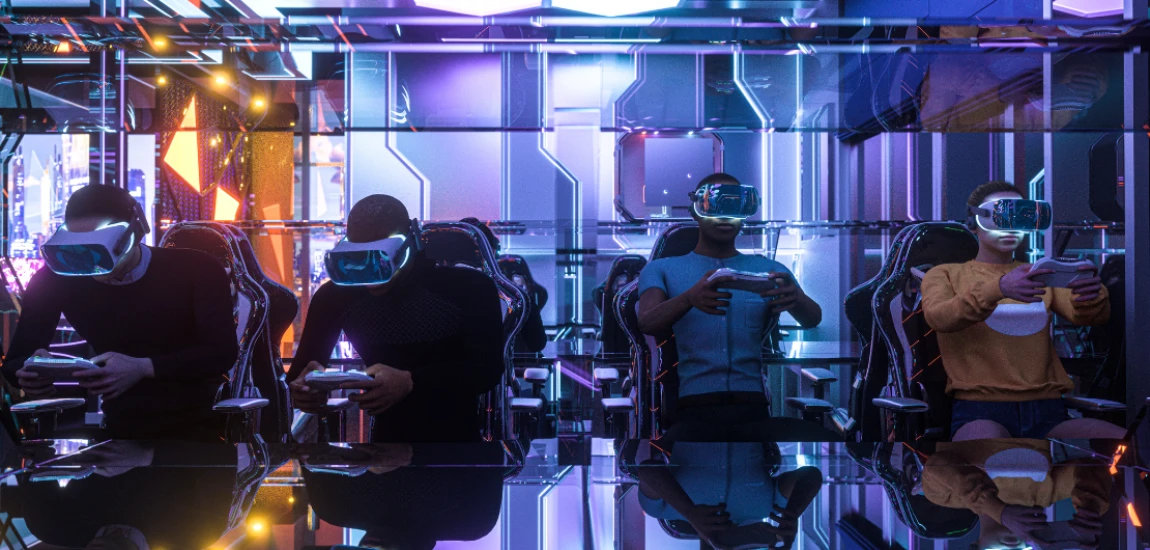
The esports evolution story begins in the late 20th century, long before massive arenas, celebrity players, and multimillion-dollar sponsorships. Early gaming competitions emerged organically, taking place in basements, arcades, computer labs, or local gaming shops. Games like Space Invaders, Pac-Man, Street Fighter, and later Doom played a major role in shaping competitive gaming culture. Although unofficial and casual, these gatherings laid the foundation for a shared identity among competitive players, establishing the idea that gaming wasn’t only entertainment—it was a skill that could be tested, measured, and showcased.
Transition to Organized Competition
By the 1990s, competitive gaming started moving from casual matchups to more structured formats. The launch of the Nintendo World Championships in 1990 and later tournaments by Sega and Blockbuster introduced the first taste of mainstream competitive gaming. Around the same time, PC LAN parties became hubs for games like Quake, Counter-Strike, and StarCraft, creating early professional teams and rivalries. These events introduced prize pools, sponsors, and early audience engagement, marking the first real signs of esports transitioning from hobby to structured sport.
The Birth of Esports as a Recognized Concept
By the early 2000s, esports had grown enough for organizations like Major League Gaming (MLG), ESL, and World Cyber Games to formalize leagues, rankings, and professional circuits. With this expansion came legitimacy—players started competing internationally, earning salaries, and gaining recognition. Although still small in scale, the pieces were in place: structured leagues, fan communities, and specialized players. Esports was no longer niche; it was becoming a growing competitive ecosystem ready for global transformation.
The Technology That Supercharged Esports Growth

High-Speed Internet and Streaming Technology
The first major catalyst in esports evolution was the arrival of high-speed broadband and real-time streaming platforms. Services like YouTube, Twitch, and later Facebook Gaming and Kick revolutionized spectatorship. Viewers could watch tournaments live from anywhere in the world, follow their favorite players, and engage in communities around the clock. The accessibility of streaming turned esports from physical events to always-on entertainment, dramatically expanding the potential audience.
Advancement in Gaming Hardware
Powerful GPUs, high-refresh-rate monitors, and optimized gaming peripherals helped both amateur and professional players elevate their performance. As hardware became more affordable, more players could participate competitively. Professional esports organizations started investing in specialized training gear, gaming PCs, and performance-enhancing setups. This technological development not only improved gameplay quality but also enhanced the viewing experience with crisp graphics, fluid motion, and cinematic tournament presentations.
Game Development and Spectator Modes
Game developers began designing titles with esports in mind. Features like spectator modes, replay systems, broadcast tools, and competitive matchmaking systems transformed games into professional esports-ready ecosystems. Titles such as League of Legends, Dota 2, Fortnite, and Valorant were intentionally built for competitive play. As a result, these games created sustainable esports communities, enabling tournament organizers to deliver world-class productions with clear visuals, analytics, commentary, and storytelling.
The Explosive Rise of Global Esports Viewership

The Shift from Gaming Fans to Mainstream Audiences
Esports viewership has expanded far beyond dedicated gamers. With cinematic productions, celebrity endorsements, and high-stakes competitions, esports now attracts mainstream audiences similar to traditional sports. Events like The International, League of Legends World Championship, and Fortnite World Cup draw millions of viewers—sometimes surpassing major sports like the NBA or MLB. The demographic has also expanded: esports now appeals to casual viewers, entertainment seekers, and even non-gamers curious about the spectacle.
Esports as a Cultural and Social Phenomenon
The rise of social media amplified esports culture. Memes, highlights, player personalities, and team rivalries dominate platforms like Twitter, TikTok, and Reddit. This digital presence enhances fan loyalty and creates ongoing narratives throughout the competitive season. Esports also thrives on community involvement—fans discuss strategies, analyze plays, participate in voting polls, and attend virtual meet-and-greets. The interactivity makes esports more inclusive and immersive than traditional sports.
Big Brands and Media Networks Elevate the Stage
As viewership grew, major corporations—from Coca-Cola to Mercedes-Benz—entered the esports space. Media networks began hosting esports tournaments, and streaming platforms competed for exclusive broadcasting rights. The influx of sponsorships, partnerships, and advertising investment catapulted esports into mainstream entertainment. Viewer numbers and corporate involvement solidified esports as a global media powerhouse with influence that reaches far beyond gaming.
The Rise of Professional Players and Esports Organizations

The Path to Becoming a Pro Gamer
The esports evolution reshaped gaming as a viable career. Professional players now undergo rigorous training schedules, strategic coaching, nutrition planning, and data-driven performance reviews. Many begin their journey in ranked ladders, semi-pro tournaments, or academy teams before being recruited by top-tier organizations. With scholarships, esports academies, and youth leagues emerging worldwide, aspiring players now have structured pathways to professional life.
The Business of Esports Teams
Esports teams have evolved into fully fledged businesses with global branding power. Organizations like T1, Fnatic, Team Liquid, and FaZe Clan operate like professional sports franchises, complete with management teams, content creators, training facilities, and lucrative sponsorship deals. Many organizations diversify revenue through merchandise, streaming channels, partnerships, and global fan memberships. The ecosystem resembles the structure of the NBA or Premier League—but built for a digital-first audience.
Salaries, Sponsorships, and Player Stardom
Top esports athletes earn six- or seven-figure salaries, complemented by sponsorships, endorsements, and streaming revenue. Prize pools for major tournaments reach tens of millions of dollars. Star players like Faker, s1mple, and Bugha have fanbases rivaling traditional sports icons. With professional visibility comes personal branding, social media influence, and mainstream recognition—further solidifying the legitimacy of esports careers.
Esports Ecosystem: Leagues, Tournaments, and Global Infrastructure

Major Global Leagues and Flagship Tournaments
Esports evolution introduced structured global leagues that mirror traditional sports formats. The League of Legends Championship Series, Overwatch League, Dota 2 Pro Circuit, and CS2 Majors provide seasonal formats, regional divisions, and international finals. These leagues create consistent competitive calendars, giving fans year-round entertainment and players stable career opportunities.
Event Production and Stadium Spectacles
Modern esports tournaments are massive productions held in sold-out stadiums like Madison Square Garden, Seoul World Cup Stadium, and arenas in Paris and Shanghai. Advanced lighting, augmented reality (AR), massive LED screens, and live commentary bring a level of spectacle comparable to the Olympics or the Super Bowl. Offline events also stimulate tourism, local economies, and in-person fan community building.
Support Systems and Industry Frameworks
Beyond teams and tournaments, the esports industry includes agents, analysts, coaches, event organizers, advertisers, broadcasters, and data scientists. Universities and training institutes offer esports degrees, while governments in countries like South Korea, China, and the USA provide support for international competitions. This extensive ecosystem ensures career sustainability and industry longevity as esports continues evolving.
The Future of Esports: Expansion, Innovation, and Mainstream Integration

The Next Era of Technology
The future of esports will be shaped by emerging technologies. VR esports, AI-assisted coaching, metaverse arenas, and real-time analytics are expected to redefine how players practice and how audiences engage. Cloud gaming will make competitive participation more accessible, while 5G and low-latency streaming will support mobile esports expansion.
Esports in Education, Careers, and Traditional Sports
Esports is entering schools, universities, and youth programs worldwide. Scholarships, varsity esports teams, and gaming-focused curriculums are expanding. Meanwhile, traditional sports teams—like the NBA, NFL, and European football clubs—are investing in esports divisions, bridging fandoms and expanding reach into younger demographics.
Global Growth and Cultural Acceptance
Esports continues to break cultural, linguistic, and geographic boundaries. With widespread recognition, regulatory improvements, and international cooperation, esports could soon see Olympic integration or global standardized leagues. What began as a niche hobby is on track to become one of the defining cultural industries of the 21st century.


Gary Arndt operates "Everything Everywhere," a blog focusing on worldwide travel. An award-winning photographer, Gary shares stunning visuals alongside his travel tales.
Gary Arndt

Prev Post
Next Post