
Entertainment in the Metaverse: The Next Frontier for Artists and Fans
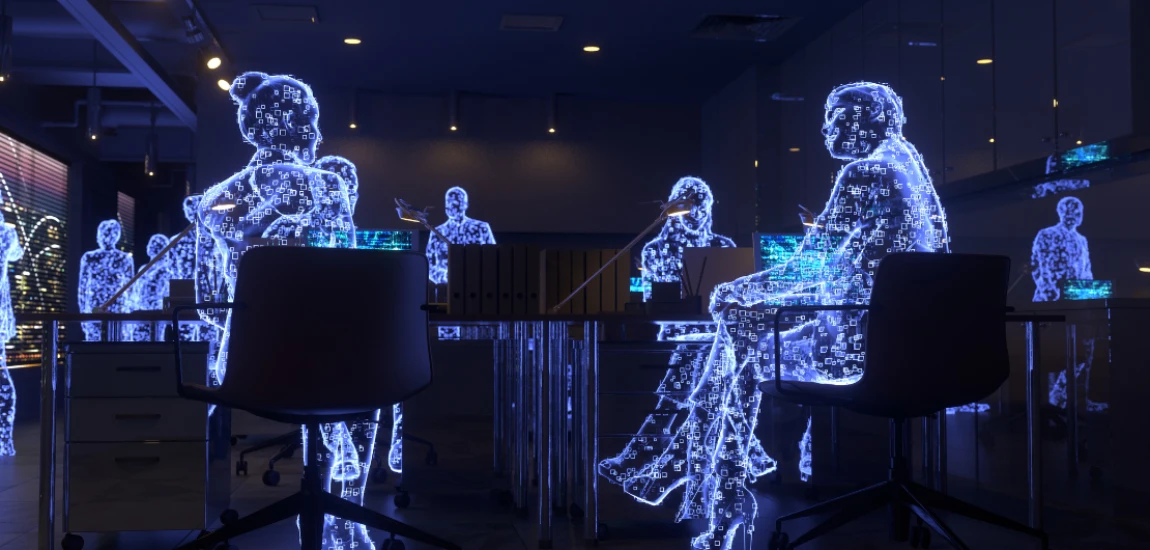
The metaverse is no longer a futuristic concept—it’s rapidly becoming a platform for creativity, social interaction, and entertainment. Defined as a persistent, shared digital universe where users interact through avatars, the metaverse offers artists and fans a unique space for immersive experiences. From 3D concerts to virtual galleries, entertainment in the metaverse transcends physical limitations, creating entirely new ways for audiences to engage with content.
For artists, the metaverse opens doors to innovative performances, direct fan interaction, and monetization opportunities that were impossible in the traditional entertainment model. Fans, meanwhile, gain unprecedented access to immersive worlds, exclusive events, and participatory storytelling. The combination of technology, creativity, and social engagement positions the metaverse as a transformative frontier for the entertainment industry.
Virtual Concerts: Redefining Live Music Experiences

Immersive Performances Beyond Physical Venues
Virtual concerts in the metaverse allow artists to stage performances without the constraints of physical venues. Fans from around the world can attend in real-time, interact with the environment, and experience music in visually stunning ways. Platforms like Fortnite, Roblox, and Decentraland have already hosted concerts that attracted millions of attendees globally, showcasing the scale and potential of virtual performances.
Customizable Fan Experiences
In the metaverse, fans can personalize their concert experience. Avatars can dance, explore virtual stages, and interact with other attendees in ways impossible in traditional live events. These features increase engagement and deepen the emotional connection between artists and fans.
Monetization and Exclusive Content
Artists can monetize virtual concerts through ticketed events, limited-edition NFTs, virtual merchandise, and exclusive fan experiences. This opens revenue streams that complement traditional touring while reducing logistical and financial burdens, making large-scale events accessible to independent and emerging artists.
Interactive Fan Engagement in Digital Worlds

Virtual Meet-and-Greets and Fan Clubs
The metaverse enables fans to interact directly with artists through virtual meet-and-greets, Q&A sessions, and fan clubs. These immersive interactions allow fans to feel seen and connected, fostering stronger loyalty and community.
Gamification and Participation
Entertainment in the metaverse often incorporates gamification, allowing fans to earn rewards, participate in challenges, and contribute to narrative-driven events. Gamified experiences increase engagement and create shared memories that extend beyond passive consumption.
Fan-Generated Content and Collaboration
Fans can co-create experiences in the metaverse by designing avatars, environments, or digital merchandise. Collaborative projects blur the lines between creators and consumers, making entertainment a participatory, community-driven process.
Virtual Art Exhibitions and Galleries

Immersive Visual Storytelling
Artists are leveraging the metaverse to present their work in fully immersive virtual galleries. Unlike physical exhibitions, these digital spaces can manipulate scale, perspective, and interactivity, creating unique narrative experiences.
Global Accessibility and Reach
Virtual galleries remove geographical barriers, allowing audiences worldwide to explore exhibitions. Art lovers can interact with works, attend openings, and connect with artists without the limitations of travel or venue capacity.
Monetization Through Digital Assets
NFTs and digital collectibles provide new revenue streams for artists. Visitors can purchase digital artwork, limited-edition virtual items, and interactive experiences, fostering a direct economic relationship between creators and fans.
Storytelling and Film in the Metaverse

Interactive and Immersive Narratives
The metaverse allows filmmakers to experiment with narrative structures, creating interactive stories where viewers influence outcomes. This level of immersion transforms passive audiences into active participants, enhancing emotional engagement.
Collaborative Filmmaking Experiences
Digital environments facilitate collaborative projects, allowing filmmakers, writers, and visual artists to co-create experiences with input from global participants. The metaverse encourages a democratization of creativity, enabling diverse voices to contribute to storytelling.
Distribution and Marketing Opportunities
Films and series can premiere in virtual spaces, supplemented by interactive experiences that extend the story beyond the screen. This innovative distribution model engages fans, generates buzz, and creates monetization opportunities through digital collectibles and exclusive events.
Challenges and Considerations for Artists and Fans

Technical and Accessibility Barriers
High-quality metaverse experiences require advanced hardware and reliable internet connectivity. Artists and fans may face barriers to participation due to costs, technical literacy, or platform limitations, potentially limiting inclusivity.
Intellectual Property and Security
The digital nature of the metaverse raises concerns around copyright, piracy, and digital asset security. Ensuring artists retain control over their work and fans can safely purchase and trade virtual items is critical for sustainable engagement.
Balancing Innovation with User Experience
While immersive technologies offer exciting possibilities, overly complex or poorly designed experiences can alienate users. Artists and developers must prioritize accessibility, intuitive interfaces, and meaningful interactivity to ensure the metaverse enhances entertainment rather than complicates it.


Shivya Nath authors "The Shooting Star," a blog that covers responsible and off-the-beaten-path travel. She writes about sustainable tourism and community-based experiences.
Shivya Nath

Prev Post

Next Post