
Digital Doppelgängers: What Happens When Celebrities License Their Likeness to AI?
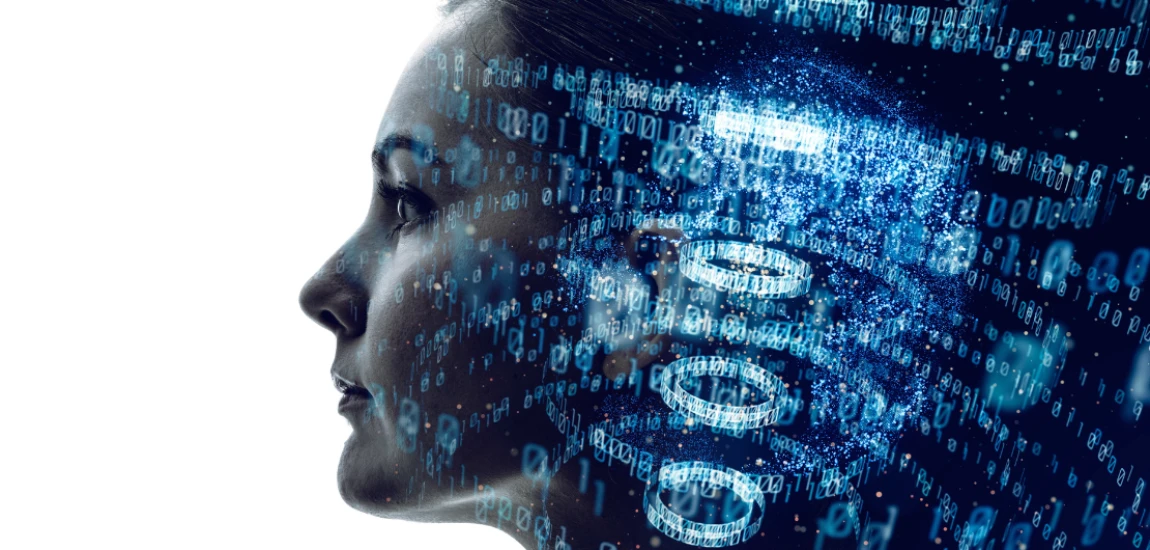
In today’s rapidly evolving digital landscape, celebrities are no longer limited to physical appearances or live performances. Artificial intelligence and deepfake technology have created the possibility of digital doppelgängers—AI-generated representations of famous personalities that can perform, speak, and even act autonomously. This technological innovation allows stars to license their likeness, extending their brand reach in ways previously unimaginable.
The Technology Behind Digital Likeness
Digital doppelgängers rely on advanced machine learning algorithms, neural networks, and motion capture to recreate a celebrity’s appearance, voice, and mannerisms. AI can generate realistic videos or audio content that closely mimics the real person, often indistinguishable to the average viewer. From virtual concerts to interactive commercials, the potential applications are vast.
Why Celebrities Are Embracing AI Licensing
Licensing digital likenesses offers celebrities a new revenue stream. By granting permission for AI-generated content, stars can participate in projects without physical presence, reducing scheduling conflicts while monetizing their personal brand. This approach also opens doors for international exposure and brand collaborations without the logistical constraints of traditional media.
Fan Engagement in a Virtual World
Digital doppelgängers create immersive fan experiences. Fans can interact with AI versions of their favorite stars in virtual reality concerts, social media campaigns, or even personalized messaging apps. This level of interactivity strengthens the celebrity-fan relationship while creating unique marketing opportunities.
The Legal Landscape: Protecting Identity in the AI Era

Licensing a celebrity’s likeness to AI is not just a technological issue—it raises complex legal questions. Intellectual property, image rights, and contract law all intersect when a digital doppelgänger enters the market.
Right of Publicity and Image Licensing
Celebrities have a right of publicity, which protects their name, image, and persona from unauthorized commercial use. Licensing agreements must clearly define the scope of AI use, including duration, geographic reach, and permissible content formats. Without precise contracts, misuse or misrepresentation can lead to legal disputes.
Contractual Nuances and Revenue Sharing
AI licensing agreements often involve royalties, upfront fees, or revenue-sharing models. Contracts may stipulate approval rights over generated content, ensuring that the digital likeness aligns with the celebrity’s personal brand. These agreements are crucial to prevent brand dilution or reputational harm.
International Considerations
AI-generated content is borderless, raising cross-jurisdictional legal challenges. Different countries have varying laws regarding image rights and copyright. Celebrities must navigate these differences carefully to ensure global protection of their digital persona.
Ethical Implications: Consent, Authenticity, and Control

Beyond legalities, licensing a digital likeness introduces ethical dilemmas. Issues of consent, authenticity, and creative control are central to responsible AI use in celebrity branding.
Consent and Digital Agency
While celebrities may license their likeness, questions arise about consent in perpetuity or for secondary uses. Unauthorized edits or manipulative scenarios can undermine the original agreement, raising concerns about exploitation and misuse of one’s digital identity.
Authenticity in AI-Generated Content
AI doppelgängers can produce content that appears authentic but is artificially generated. Audiences may struggle to distinguish between the real celebrity and their digital avatar. This raises ethical questions about transparency, trust, and the potential for misleading or deceptive content.
Reputation and Brand Integrity
Digital content that misrepresents a celebrity’s beliefs, endorsements, or actions can damage reputations. Ethical licensing practices involve strict guidelines for AI use, content vetting, and the preservation of the celebrity’s authentic image.
Economic Opportunities: Monetizing the Virtual Self

Licensing a digital doppelgänger opens significant economic possibilities. Celebrities can diversify income streams while reducing dependency on traditional media engagements.
Virtual Appearances and Performances
Digital avatars can perform in virtual concerts, gaming events, or live-streamed shows without requiring physical presence. This allows celebrities to monetize appearances in multiple locations simultaneously, increasing revenue potential.
Branded Partnerships and AI Influencer Marketing
Brands are increasingly leveraging digital likenesses for endorsements. AI-generated content featuring a celebrity can be deployed in ad campaigns, social media promotions, and virtual product launches. This approach maintains brand alignment while offering scalable and interactive advertising opportunities.
Long-Term Value of Digital Rights
Licensing digital likenesses can create perpetual revenue streams. Unlike live performances or single advertisements, AI content can be reused, adapted, or updated, creating ongoing profit opportunities for both the celebrity and their management teams.
The Fan Experience: Interactive and Immersive Engagement

Digital doppelgängers transform the way fans interact with celebrities. AI-generated personalities offer unprecedented levels of personalization, entertainment, and engagement.
Personalized Interaction
Fans can receive messages, attend virtual events, or experience curated interactions with AI representations. These experiences foster deeper emotional connections, enhancing loyalty and fan investment in the celebrity’s brand.
Gaming and Virtual Worlds
Video games, virtual reality platforms, and metaverse environments are increasingly integrating AI versions of celebrities. Players can interact with avatars in ways that feel real, creating immersive experiences that extend beyond traditional media.
Content Co-Creation
Some platforms allow fans to customize or direct AI content featuring their favorite stars. This participatory model strengthens engagement while expanding creative possibilities for celebrity branding in virtual environments.
The Future of Celebrity Identity in a Digital Age

As AI technology advances, the intersection of celebrity, identity, and digital replication will only grow more complex. Celebrities must carefully navigate the balance between innovation and control.
Evolving Standards and Regulations
Governments and industry bodies are beginning to establish guidelines for AI-generated likenesses. Future regulations may mandate clear disclosures, copyright protections, and ethical licensing practices to safeguard both celebrities and consumers.
Redefining Fame and Presence
Digital doppelgängers challenge traditional notions of presence and performance. Celebrities can maintain visibility without physical appearances, allowing for global influence while mitigating personal constraints.
Long-Term Brand Strategy
Licensing AI likenesses is no longer a novelty—it’s becoming a key component of celebrity brand strategy. Stars who successfully integrate digital personas into their portfolios can expand reach, diversify income, and create a lasting legacy in the virtual age.


Operating "The Blonde Abroad," Kiersten Rich specializes in solo female travel. Her blog provides destination guides, packing tips, and travel resources.
Kiersten Rich
Prev Post
Next Post