
Digital Blackouts: Why Creators Are Taking Breaks—And What It Means for the Industry
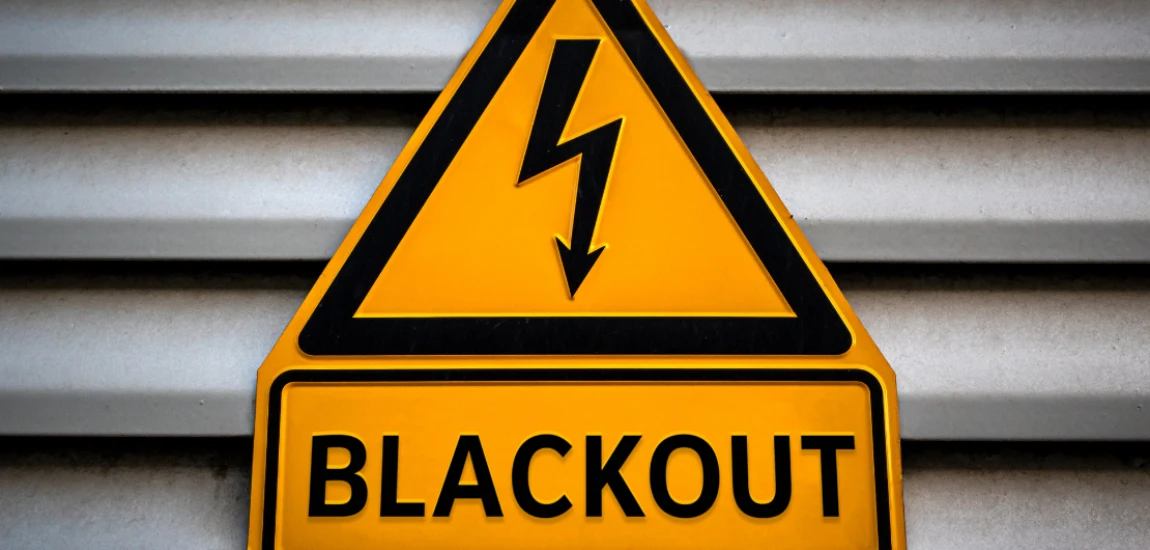
For years, content creation has been defined by constant visibility—daily uploads, nonstop engagement, and an ever-churning algorithmic cycle. But a quiet revolution is brewing. More influencers, streamers, and artists are announcing “digital blackouts”—intentional breaks from social media and content platforms designed to restore mental balance and creative clarity.
From YouTubers with millions of subscribers to micro-influencers juggling side hustles, creators are realizing that endless output comes at a cost. The demand for “always-on” availability is leading to burnout, anxiety, and creative fatigue. Yet, these digital pauses are more than personal wellness strategies—they’re sparking a broader conversation about the sustainability of the creator economy itself.
The age of algorithmic engagement has reached its tipping point. As audiences grow more empathetic toward authenticity and less drawn to hyper-productivity, the creator landscape is shifting from “content at all costs” to mindful creation. This blog explores why digital blackouts are becoming a necessary act of resistance—and what they signal for the future of online entertainment.
The Burnout Epidemic Among Creators

The Pressure to Perform
Creators face a unique paradox: the more successful they become, the less room they have to slow down. Social platforms reward consistency—miss a few days, and your engagement can plummet. This constant chase for visibility fuels chronic stress, erodes creativity, and leaves many feeling trapped by the very systems that built their careers.
Unlike traditional jobs, there’s no clear boundary between work and rest in the creator world. The smartphone is both the office and the stage. Many creators have spoken openly about the exhaustion that comes from “living online,” where even relaxation can feel performative.
Mental Health in the Spotlight
High-profile creators such as Emma Chamberlain, Jacksepticeye, and Bretman Rock have all taken extended breaks to focus on mental well-being. Their transparency has helped destigmatize rest, showing followers that stepping back doesn’t mean failure—it means sustainability.
Mental health awareness has become a defining aspect of modern influencer culture, encouraging creators to prioritize balance over metrics. Studies show that digital fatigue is linked not just to content overload but to the psychological toll of constant comparison, audience scrutiny, and algorithmic pressure.
The Algorithm vs. Humanity
In many ways, burnout is a side effect of automation. Algorithms don’t sleep, but humans do. Platforms optimized for engagement inadvertently create systems where rest feels like rebellion. This growing conflict between human creativity and machine-driven demand has become one of the defining ethical issues of digital work in 2025.
The Rise of the “Digital Blackout” Movement

What Is a Digital Blackout?
A digital blackout is a voluntary, intentional break from content creation and online engagement. It may last a few days, weeks, or even months, depending on the creator’s needs. The goal isn’t to abandon digital life but to reset one’s relationship with it.
Creators often use this time to recharge creatively, reconnect with offline experiences, and reevaluate career direction. Many find that detaching from constant audience feedback allows for deeper reflection and more authentic storytelling upon return.
Influencers Leading the Way
In recent years, several influencers have normalized this practice. YouTubers like Elle Mills and beauty creators like Michelle Phan have publicly taken hiatuses, citing mental exhaustion and the pressure to constantly please the algorithm. Their returns are often accompanied by more grounded, reflective content—proving that audiences are willing to wait for quality over quantity.
The Psychology of Going Offline
The act of disconnecting carries symbolic weight in a hyperconnected culture. Digital blackouts serve as both protest and self-preservation—challenging the cultural assumption that productivity equals worth. Psychologists suggest that these intentional pauses help reset dopamine cycles disrupted by social media use, improving focus, emotional regulation, and creative thinking.
How Audiences Are Reacting to Creator Breaks

The Shift Toward Empathy
Gone are the days when disappearing from the internet was seen as career suicide. Audiences today understand the toll of digital life and often respond to creator absences with compassion rather than criticism. Transparency about burnout has built stronger emotional bonds between creators and fans, emphasizing shared humanity over endless output.
When creators share honest updates about their need for rest, they invite audiences into a more authentic relationship—one based on trust and vulnerability. This shift signals a maturation in online culture, where mental health and sustainability are valued as much as entertainment.
The Power of Anticipation
Interestingly, digital blackouts can also boost engagement upon return. The absence creates anticipation, reigniting interest in new projects. Much like the traditional entertainment model of seasonal releases, creators are learning that scarcity can increase demand. A well-timed break can make audiences more eager, not less engaged.
Redefining Parasocial Relationships
Creator-audience relationships are evolving. Followers are beginning to respect boundaries, understanding that behind every post is a human being with limits. This cultural shift suggests a move toward healthier digital communities—ones built on respect rather than relentless consumption.
Industry Impacts: Rethinking the Creator Economy

Platforms Under Pressure
Social media platforms are beginning to recognize that creator burnout threatens their long-term sustainability. In response, companies like YouTube and TikTok have introduced wellness resources, revenue diversification options, and algorithmic tweaks to reward meaningful content over frequency.
However, critics argue that these changes are surface-level. The core issue lies in the profit models themselves, which depend on consistent, high-volume engagement. Until algorithms are reimagined to support balance, digital blackouts will remain acts of quiet defiance against the system.
The Rise of the Slow Creator Movement
The “slow creator” philosophy, inspired by the slow living trend, advocates for fewer uploads with higher quality. Creators adopting this model—like Casey Neistat or Ashley (BestDressed)—focus on storytelling, craft, and personal growth rather than constant output. This approach aligns with audience desires for authenticity and depth, not just quantity.
A New Kind of Creative Freedom
Ironically, taking breaks can make creators more innovative. By stepping away, they gain perspective and inspiration from the offline world. This cycle of rest and renewal could redefine creativity itself—shifting from algorithmic performance to artistic exploration. The future of the creator economy might depend less on who can post the most and more on who can create with meaning.
Finding Balance: Lessons for the Digital Age

Building Sustainable Workflows
For creators who can’t afford long breaks, small adjustments can make a difference. Batch-creating content, scheduling posts, and setting “offline hours” help establish boundaries. Delegating administrative tasks or hiring virtual assistants can also lighten the load, allowing more time for creativity.
Wellness shouldn’t be a luxury in the creator economy—it should be a strategy. Just as traditional industries integrate rest days and mental health policies, digital careers must adopt similar structures to prevent burnout.
Reframing Success
Success in the new digital era isn’t measured solely by followers or revenue—it’s measured by longevity, well-being, and purpose. Creators who maintain emotional and creative health build stronger, more sustainable brands. The most influential voices of the future will be those who prioritize balance over virality.
The Role of the Audience
Viewers play an essential role in this shift. Supporting creators during breaks, engaging with their older content, or respecting boundaries helps nurture a healthier digital ecosystem. As audiences evolve, so too will the culture of content creation—transforming it from a grind into a craft.


Dave Lee runs "GoBackpacking," a blog that blends travel stories with how-to guides. He aims to inspire backpackers and offer them practical advice.
Dave Lee

Prev Post
Next Post