
Cyborg Skin: The Normalization of Cosmetic Tech Through Filters and AR
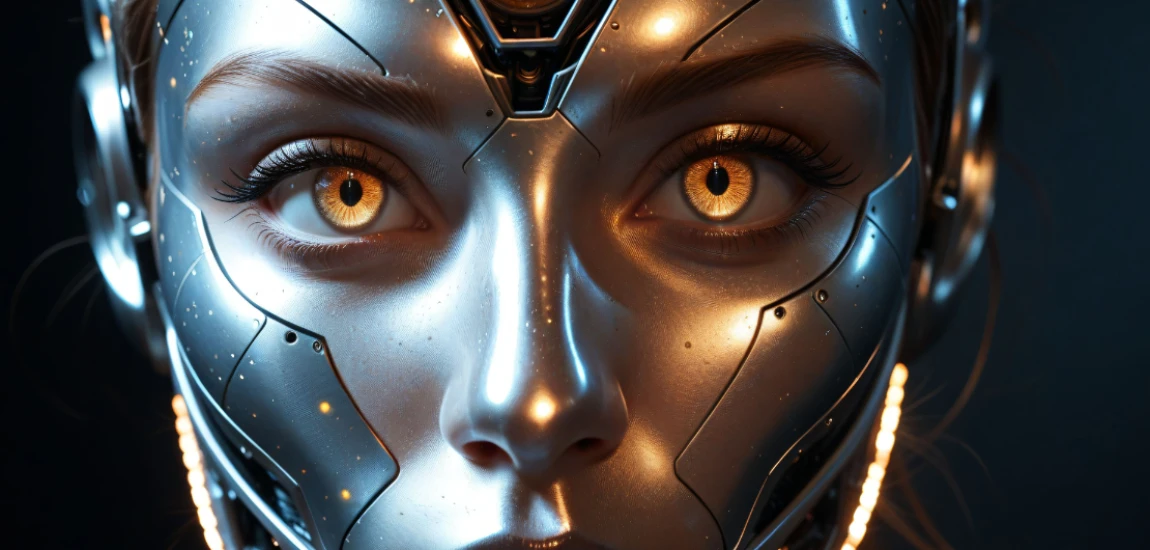
Once upon a time, mirrors reflected reality. Today, our screens reflect something else—a hyper-edited, digitally enhanced version of ourselves. Augmented reality (AR) filters and beauty apps like FaceApp, TikTok’s Bold Glamour, and Instagram’s skin-smoothing effects have turned “digital touch-ups” into daily rituals. The result? The face has become a canvas for technology, and “cyborg skin” is the new normal.
From Vanity to Interface
The smartphone camera has evolved from a tool for documentation to a portal of transformation. Every selfie passes through an algorithmic lens that automatically brightens eyes, narrows noses, and evens out skin tones. These subtle tweaks are not merely aesthetic—they redefine how users see themselves. Over time, people begin to associate their “real” face with the filtered one, blurring the distinction between biology and software.
Beauty as Software
Filters have normalized an idea of beauty that’s modular and programmable. You don’t need plastic surgery—you just need an app. AR beauty effects mimic the outcomes of injectables, skin resurfacing, or contouring. They allow anyone to “try on” beauty trends in seconds. As a result, the boundary between digital and dermatological beauty has eroded, preparing users to accept physical alterations as natural extensions of their online personas.
The Face as a Digital Identity
In a culture of selfies and video calls, the face has become a form of social currency. AR filters enhance this economy by offering instant upgrades. They smooth imperfections, augment features, and conform faces to algorithmic ideals of attractiveness. But as users become accustomed to these enhancements, unfiltered faces begin to feel wrong—too raw, too human. This new aesthetic conditioning has reprogrammed our sense of what it means to “look normal.”
The Filter Effect: How AR Changes Perception and Self-Esteem

The more we use filters, the more they shape not just our images, but our psychology. The constant comparison between our real and digital selves fuels a subtle but powerful form of self-dissatisfaction.
The Loop of Digital Dissociation
When someone constantly sees their filtered face, their sense of self begins to split. One version exists online—flawless, luminous, symmetrical—while the other exists offline, imperfect and real. This gap creates “filter dysmorphia,” a growing psychological phenomenon where people seek cosmetic procedures to look more like their digital avatars.
AR as the New Mirror
Filters act like mirrors that flatter rather than reflect. They reinforce beauty norms coded into the software—often Eurocentric, hyper-feminized, and youth-obsessed. These designs aren’t accidental; they’re built from machine learning models trained on vast image datasets, reflecting societal biases about attractiveness. Over time, users internalize these digital ideals, believing that beauty is not diverse but algorithmically defined.
When Enhancement Becomes Expectation
What began as playful experimentation has become habitual. People now apply filters reflexively before sharing photos, live-streaming, or even attending virtual meetings. The normalization of enhancement means that unfiltered faces are perceived as incomplete, unprofessional, or unappealing. The more AR reshapes our visual norms, the less tolerance we have for the real textures of human skin.
Cyborg Skin: Blurring the Line Between Digital and Physical Beauty

“Cyborg skin” isn’t just a metaphor—it’s a cultural and technological evolution. It represents the merging of biological material and digital aesthetics, where the face becomes a hybrid surface mediated by both flesh and pixels.
The Evolution of Cosmetic Technology
Beauty technology is moving beyond filters. Innovations like smart mirrors, AR-powered makeup apps, and AI-driven skincare diagnostics are redefining cosmetic routines. Companies such as L’Oréal and Perfect Corp now use AR to simulate cosmetic effects in real time, training consumers to visualize enhancements before purchasing products or procedures.
When Filters Become Flesh
As users become accustomed to digital perfection, the leap to physical modification feels natural. Plastic surgeons and dermatologists report increased demand for “filter-inspired” procedures—people asking to look like their Instagram selves. The digital has become a prototype for the physical, a feedback loop where virtual beauty informs real-world alteration.
Hybrid Aesthetics and the Future of Skin
Emerging technologies like bioengineered skin, nanocosmetics, and LED facial masks are pushing the idea of “cyborg skin” closer to reality. Imagine pores that adapt to lighting conditions or pigments that respond to mood sensors. These developments suggest a future where skin isn’t just biological—it’s interactive. The human face, augmented by both software and hardware, becomes a living interface.
The Algorithmic Beauty Standard: Who Decides What Looks Good?

While users may believe they’re choosing filters freely, their choices are shaped by invisible systems—algorithms, datasets, and design biases. Beauty is no longer just cultural; it’s computational.
Bias in the Code
Filters are trained on datasets that often exclude diverse faces. The result is a homogenized standard of beauty—lighter skin, smoother textures, symmetrical features. This bias subtly pressures users to conform, not just to social ideals, but to algorithmic preferences. The “default” filter face becomes the face that the system values most.
The Feedback Loop of Validation
Every time someone posts a filtered image and receives likes or comments, the algorithm reinforces that look. Engagement metrics reward conformity, amplifying the most popular styles. This creates a recursive cycle: people adopt the filters that perform best, and those filters, in turn, define what performs. Beauty becomes not a matter of expression but optimization.
Corporate Ownership of the Face
Big Tech companies now influence not only what we see, but how we want to look. AR filters function as branding tools, integrating subtle cues from advertisers or beauty partners. Your “face” becomes a digital billboard—polished, marketable, and optimized for engagement. The algorithmic gaze turns beauty into data, and identity into a commodity.
Augmented Authenticity: Performing Realness in an Unreal World

Ironically, as filters and AR technologies proliferate, people crave authenticity more than ever. But “authenticity” itself has become stylized—a curated form of imperfection designed to appear real.
The Aesthetic of the “No-Filter” Filter
Many creators now use subtle filters that mimic the look of raw footage—grainy textures, muted tones, minimal smoothing. This style signals authenticity while still benefiting from technological enhancement. It’s not real, but it looks real enough. In the attention economy, relatability is a brand strategy.
Performing Vulnerability
Influencers often reveal their “real” faces in side-by-side comparisons, turning transparency into content. This paradoxical act—showing the unfiltered self for likes—illustrates how sincerity itself has become monetized. Authenticity is no longer about truth; it’s about engagement metrics.
The Cyborg Paradox
We are simultaneously rejecting and embracing artificiality. We want technology to make us beautiful but not fake; enhanced but not dishonest. The result is a new kind of cyborg consciousness—where we accept digital modification as part of self-expression, yet still cling to the illusion of “natural” identity.
Reclaiming the Face: Digital Literacy and Ethical Beauty Futures

If the line between real and digital skin is fading, the question becomes: how can we reclaim our agency in defining beauty? Awareness, literacy, and ethical innovation are key.
Practicing Digital Awareness
Users must understand how filters work—not just visually, but psychologically. Recognizing how algorithms manipulate self-image helps break the cycle of comparison and validation. Conscious engagement means asking: Why am I using this filter? Who designed it? What ideal is it reinforcing?
Tech for Empowerment, Not Erasure
Some creators and developers are reimagining AR through inclusive design—filters that celebrate freckles, scars, wrinkles, and diverse skin tones. Instead of erasing difference, these tools amplify individuality. The future of cosmetic tech should enhance self-expression, not standardize it.
Redefining Beauty in the Cyborg Age
True empowerment lies in reprogramming what “normal” means. Instead of striving for flawless digital skin, we can embrace the imperfections that make us human. As AR and AI continue to shape aesthetics, users have the power to demand transparency, diversity, and ethical innovation from beauty tech companies. The goal isn’t to reject enhancement, but to humanize it—to ensure that technology serves identity, not the other way around.


Gilbert Ott, the man behind "God Save the Points," specializes in travel deals and luxury travel. He provides expert advice on utilizing rewards and finding travel discounts.
Gilbert Ott

Prev Post

Next Post