
Cultural Mutation: How Internet Memetics Accelerates the Evolution of Ideas
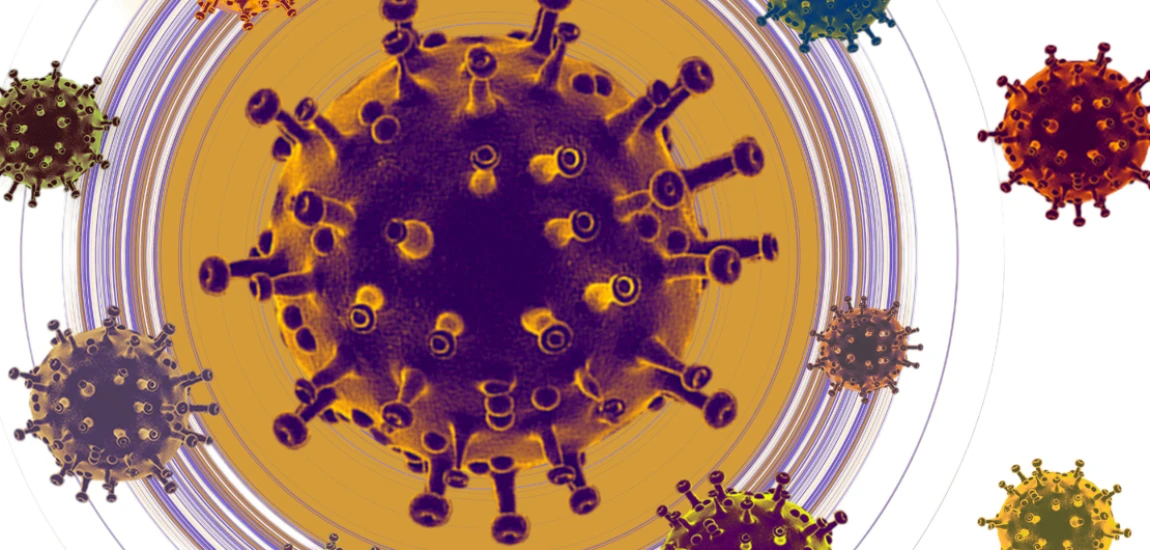
The Internet as a Hyper-Evolutionary Environment
Before the rise of digital culture, ideas evolved slowly—through newspapers, TV, literature, or word of mouth. Today, the internet has turned cultural production into a hyper-evolutionary ecosystem where ideas mutate at the speed of clicks, and memes become the DNA fragments of modern communication. This environment allows cultural symbols, jokes, and narratives to evolve rapidly, adapt to contexts, and spread across global audiences within hours. Cultural mutation is no longer an abstract anthropological concept; it's a real-time phenomenon observable across social platforms.
Why Memes Act Like Living Organisms
Internet memes operate like biological organisms. They replicate, mutate, and compete for survival. A meme that resonates—or one that is humorous, emotional, or provocative—survives by being shared. If it does not resonate with users, it dies out. Memes adapt to new political events, social conditions, and generational shifts, giving them a flexible life cycle. This is why a single meme template can spawn thousands of variants, each tailored to a different subgroup or cultural moment.
Cultural Mutation as a Social Mirror
What spreads online often highlights what society values, fears, mocks, or desires. For example, memes that comment on economic crises, political decisions, or generational burnout show how digital culture processes real-world anxiety. Through the lens of mutation, memes become a cultural mirror, reflecting collective identity while simultaneously reshaping it through humor, critique, and exaggeration. This feedback loop—between audience and meme—creates a constantly shifting cultural landscape that is richer and more complex than traditional media narratives.
Memes as the New Cultural DNA

How Memes Encode Complex Ideas
Memes are deceptively simple. A single image or phrase can carry emotional depth, political commentary, or cultural critique. This makes them highly efficient carriers of symbolic meaning, similar to DNA encoding complex biological traits. Memes condense entire social conversations into digestible, shareable units. This is why major movements—from political campaigns to fandom cultures—use memes to mobilize, educate, or entertain.
The Uses of Symbolic Compression
Symbolic compression refers to the ability of memes to turn complex issues into small, interpretable moments. For instance, a meme about inflation or global warming can trigger immediate recognition and emotional response. This rapid encoding allows diverse audiences to understand and adapt ideas quickly. Memes democratize communication by lowering the barriers of entry: you don’t need formal rhetorical skills—you only need the right format and timing.
Why Memes Spread Faster Than Traditional Media
Traditional media requires planning, editing, and approval. Memes require only a spark of creativity. They travel faster because they bypass institutional filters and spread through peer-to-peer networks. This speed enables cultural mutation, as each share creates an opportunity for reinterpretation, misinterpretation, or transformation. The fast-paced nature of meme-sharing ensures that cultural ideas evolve in real time, making memes the digital equivalent of constantly mutating cultural DNA.
The Mechanics of Memetic Spread and Mutation

Virality as Natural Selection
Virality is not accidental. A meme becomes viral because it fits the emotional, social, or political climate. Factors such as humor, relatability, novelty, and shock value act as evolutionary advantages. This mimics natural selection: only the most adaptive memes survive. Lesser memes fade away before they reach cultural relevance.
Mutation Through Remix Culture
Remix culture fuels memetic evolution. Each user acts as a digital “gene editor,” transforming memes by adding new text, contexts, or visual modifications. This process multiplies the meme’s ability to adapt to niche communities and subcultures. Editing a meme is an act of participation that contributes to cultural mutation by introducing variations that respond to shifting social conditions.
Platform Algorithms as Evolutionary Forces
Algorithms play a key role in what survives in the memetic ecosystem. Platforms like TikTok, Instagram, and X amplify content that sparks engagement. In memetic terms, algorithms act like environmental pressures—boosting certain traits while suppressing others. A meme that fits algorithmic preferences is more likely to become culturally dominant, accelerating its spread and mutation across diverse audiences.
Identity, Expression, and the Memetic Self

Memes as a Language of Identity
In the digital age, people use memes not just to communicate, but to signal identity. Sharing a meme about introversion, social anxiety, or a fandom communicates personal traits without explicitly stating them. Memes become an extension of the self, allowing individuals to curate an identity through shared cultural symbols.
Humor as an Emotional Technology
Memes offer emotional relief in overwhelming times. Humor becomes a kind of emotional technology—helping people cope with stress, uncertainty, or societal change. This emotional role of memes accelerates their adoption because they help audiences process difficult topics in an accessible, communal way. This emotional processing leads to faster cultural mutation as ideas spread through shared emotional resonance.
Memes and Social Belonging
Memes create communities. From niche groups on Reddit to massive trends on TikTok, memes foster belonging by offering symbols that resonate with collective experiences. The stronger the sense of community, the faster the memetic mutation. Subcultures remix memes in unique ways, creating distinct digital dialects that evolve independently while staying connected to broader cultural trends.
Memetic Warfare: Politics, Power, and Persuasion

Memes as Political Weapons
Political actors have learned that memes can influence public opinion more effectively than long-form speeches or traditional advertisements. Memes simplify narratives, evoke emotion, and spread rapidly—making them powerful tools of persuasion. This raises concerns about misinformation, polarization, and the manipulation of public sentiment.
Accelerated Ideological Mutation
Political memes often mutate faster than other cultural memes because they capitalize on real-time events. A single political moment can generate thousands of memetic interpretations within minutes. This leads to ideological mutation—ideas evolving in unpredictable ways, sometimes even beyond the control of the parties or groups that initiated them.
Memes and Power Dynamics
Memes challenge traditional hierarchies of power. Ordinary citizens can influence political discourse with a single viral post. At the same time, governments and institutions attempt to harness memetics for influence. This tension creates a complex battlefield where ideas mutate rapidly, and the lines between truth, satire, and propaganda often blur.


Gary Arndt operates "Everything Everywhere," a blog focusing on worldwide travel. An award-winning photographer, Gary shares stunning visuals alongside his travel tales.
Gary Arndt

Prev Post
Next Post