
Crisis Merch: Branding Around Tragedy
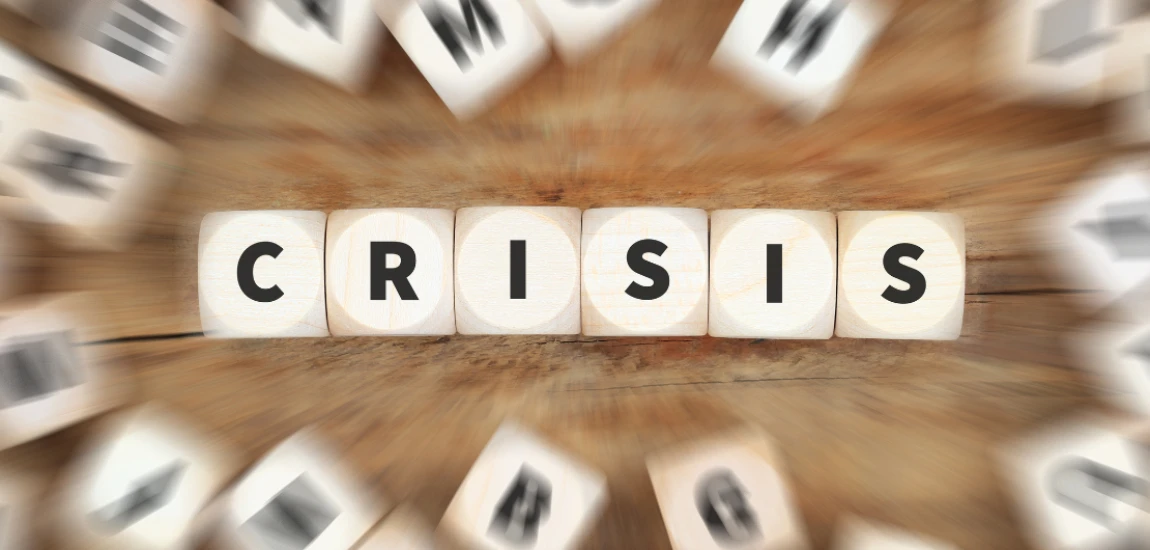
The commodification of collective grief
In today’s hyperconnected culture, even tragedy is marketable. Whether it’s a global pandemic, a natural disaster, or a social justice movement, brands have found ways to transform collective suffering into commercial opportunity. Crisis merch—T-shirts, mugs, tote bags, and digital drops emblazoned with slogans of solidarity—has become a modern phenomenon. What began as grassroots activism has evolved into a profitable niche within the attention economy. The line between empathy and exploitation grows thinner with every limited-edition drop.
Outrage as engagement strategy
Social media thrives on emotion, and outrage drives virality. Brands know this. They create “awareness” campaigns that ride the emotional highs and lows of cultural events, often under the guise of solidarity. But when compassion is commodified, sincerity becomes difficult to distinguish from opportunism. Companies co-opt causes, printing “support” on products that funnel profits into corporate coffers rather than affected communities. What was once a movement turns into merchandise.
The illusion of activism through consumption
Crisis merch thrives on the comforting illusion that buying equals helping. Purchasing a T-shirt or hoodie with a cause-driven slogan provides the consumer a moral reward—a feeling of participation without real action. This transactional empathy turns social justice into style. In a world where activism is aestheticized, brands exploit the emotional vacuum between genuine solidarity and the performance of caring.
The Aesthetics of Suffering: How Tragedy Became Trend

From protest signs to product lines
Activism once relied on symbols of resistance—signs, buttons, posters—but digital capitalism has turned these symbols into commodities. After major social movements like #MeToo, Black Lives Matter, or climate strikes, an influx of themed merch flooded marketplaces. These designs borrow the visual language of protest: bold typography, urgency, and moral clarity. But stripped from context, they become fashion statements rather than calls to action.
Mourning as marketing
Brands have learned to aestheticize tragedy. After major global events, corporations post black squares, create hashtag-driven merch, or release “commemorative” items. The visual tone—minimalist, sober, monochrome—signals empathy while maintaining sleek brand identity. It’s grief rebranded: tragedy turned tasteful. The irony is that genuine mourning rarely looks good in a feed. But the modern economy rewards what’s visually palatable over what’s emotionally honest.
Virality over vulnerability
What drives crisis merch isn’t compassion—it’s visibility. Algorithms amplify emotionally charged content, so brands package grief in shareable ways. Limited drops, countdowns, and collaborations turn social pain into a hype cycle. The more emotionally resonant the crisis, the more marketable it becomes. This performative empathy allows brands to maintain relevance in the social conversation without committing to sustained support. The tragedy becomes temporary—but the marketing momentum lasts.
The Ethics of Monetized Empathy

Who profits from pain?
The moral dilemma of crisis merch lies in its profit structure. Many companies claim to donate “a portion of proceeds” to related causes—but often, the portion is negligible or undisclosed. Meanwhile, the merch itself becomes a badge of virtue for consumers. Both parties—brand and buyer—gain symbolic credibility without addressing systemic issues. It’s empathy as exchange, not action.
Performative solidarity and the brand-as-savior narrative
Corporate empathy often disguises self-interest. When brands rush to align with causes, their intent is rarely purely humanitarian. Instead, it’s a strategic move to appear morally attuned, progressive, and socially aware. This “brand-as-savior” narrative reinforces the idea that corporations are benevolent cultural leaders, subtly replacing genuine activism with commodified compassion. The result? The social movement becomes a backdrop for brand storytelling.
The problem of selective empathy
Crisis merch also reveals which tragedies get commodified and which don’t. Brands tend to engage with crises that are photogenic, widely publicized, and safe for marketing. Complex or politically sensitive issues are avoided. This selectivity exposes a deeper bias in empathy-driven branding—it’s not about justice, but about optics. True solidarity requires risk; crisis merch requires only design.
Outrage Marketing and the Attention Economy

The economics of provocation
In an attention-driven marketplace, controversy sells. Outrage marketing—intentionally sparking backlash to gain visibility—has become a calculated strategy. Some brands release tone-deaf or provocative crisis merch knowing that public outrage will generate free publicity. Apologies follow, sales spike, and the brand enjoys renewed relevance. Moral boundaries blur when visibility itself becomes the ultimate reward.
From cancellation to capitalization
Ironically, being “called out” often benefits brands. A public backlash gives them cultural relevance and positions them as part of the discourse. After initial criticism, they issue statements of reflection, sometimes pledging donations or launching “educational initiatives.” The result is moral laundering—using controversy to appear humble, evolving, and socially conscious. Outrage becomes both marketing fuel and redemption arc.
Tragedy as recurring trend cycle
The attention economy thrives on repetition. Each crisis sparks a new wave of reaction, content, and consumption. What changes isn’t the emotion—it’s the branding. Crises are treated as seasonal campaigns: new slogans, new hashtags, new merch drops. Consumers scroll, shop, and move on. This endless cycle of compassion fatigue and aestheticized outrage ensures that empathy never deepens—only circulates.
Consumer Complicity and the Desire to “Do Something”

The psychology of performative altruism
Why do consumers buy crisis merch? Because it feels good. The purchase offers a sense of moral participation—a quick fix for guilt, fear, or helplessness. In moments of collective anxiety, people seek control, and consumption provides it. The digital marketplace reframes activism as accessible and stylish: click, purchase, post. The problem isn’t the desire to help; it’s how that desire is redirected toward brands instead of real change.
Symbolic activism in the age of hashtags
The same psychological mechanism that drives online petitions and hashtag activism also powers crisis merch. People want visibility for their values. Wearing a cause on your chest is a public declaration of identity—a form of moral branding for individuals. But when activism becomes aesthetic, meaning dilutes. The conversation shifts from systems to slogans, from justice to identity performance.
Reclaiming agency through informed consumption
Consumers aren’t powerless in this system. Transparency is key. Before purchasing crisis merch, it’s worth asking: Who profits? Where does the money go? What long-term impact does it create? Supporting grassroots organizations directly, amplifying underrepresented voices, or volunteering time are far more effective forms of solidarity. Ethical consumption isn’t about abstaining—it’s about awareness.
Toward Ethical Branding and Authentic Solidarity

Redefining corporate responsibility
If brands want to engage with crises, they must do so ethically. That means prioritizing transparency, long-term partnerships with affected communities, and direct action beyond the merch drop. Real solidarity requires sustained involvement—donations, education, advocacy, and internal accountability. Empty gestures harm credibility; authenticity builds trust.
Designing for empathy, not exploitation
Ethical design can play a role in reshaping crisis-related branding. Rather than centering corporate identity, brands can spotlight artists, activists, and local creators connected to the cause. Campaigns should shift from selling products to amplifying stories. The emphasis must move from consuming empathy to creating impact. When empathy guides design, branding transforms from spectacle to substance.
Cultural accountability in the post-viral era
Audiences are becoming more discerning. They can spot performative activism and exploitative crisis marketing. The future of branding lies in cultural accountability—acknowledging past mistakes, sharing resources, and centering authenticity over virality. In a world saturated with crisis merch, the brands that endure will be those that treat empathy not as a trend but as a long-term ethical commitment.


Gilbert Ott, the man behind "God Save the Points," specializes in travel deals and luxury travel. He provides expert advice on utilizing rewards and finding travel discounts.
Gilbert Ott
Prev Post

Next Post