
Crisis Clicks: The Attention Economy of Emergency
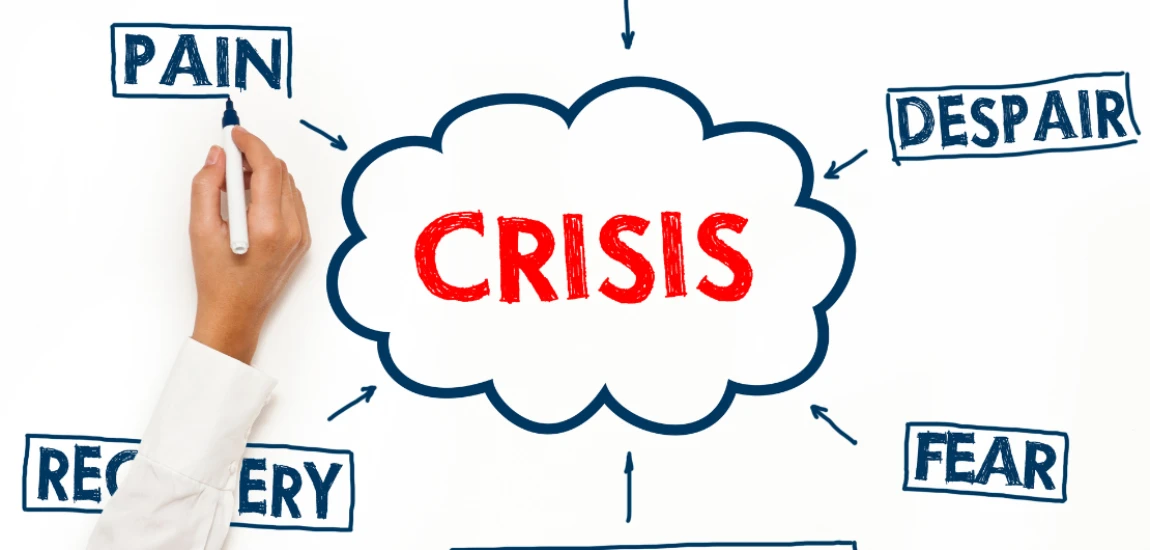
In today’s digital landscape, crisis is content. Every breaking event—wildfires, wars, pandemics, protests—travels through the same algorithmic arteries as memes and makeup tutorials. Within seconds, tragedy becomes trending. While once people waited for the evening news, now the world refreshes timelines, live-tweeting emergencies as they unfold.
This is the attention economy of emergency—a system where panic and participation coexist, where empathy is measured in clicks, and where urgency becomes monetized. Every share feels like solidarity, every hashtag like action, but beneath this speed lies a deeper paradox: when crisis becomes currency, what happens to care?
The Crisis Cycle: From Breaking News to Viral Event

In the digital era, crises no longer unfold quietly; they trend. The modern media ecosystem thrives on immediacy, turning every emergency into a consumable spectacle.
How Crises Become Content
When disaster strikes, platforms amplify chaos. Breaking headlines, graphic footage, and emotional testimonies flood feeds. Algorithms prioritize engagement, not accuracy—rewarding outrage and fear over nuance. What once was reportage is now performance; every user becomes a potential broadcaster, every post a plea for visibility.
Speed Over Substance
The race to be first replaces the need to be right. Traditional journalism’s fact-checking process collapses under the pressure of virality. Posts are shared before verification, creating a feedback loop where misinformation spreads faster than updates. In this rush, truth becomes collateral damage in the pursuit of clicks.
Attention as Resource
Every refresh is a transaction. Platforms profit from the emotional volatility of crisis—advertisers pay for visibility, and visibility thrives on volatility. The more urgent the situation, the higher the engagement, turning public trauma into a form of entertainment economics.
Emotional Capital: How Empathy Gets Monetized

Crises thrive on emotion. Outrage, fear, and grief are powerful drivers of engagement. The digital economy capitalizes on these feelings, turning empathy into a measurable metric—likes, shares, and reactions.
The Commodification of Compassion
Empathy online becomes currency. Users share posts to signal awareness or solidarity, but platforms convert those gestures into data. Each emotional interaction—an angry emoji, a tearful comment—feeds algorithmic learning. Compassion, in this system, is not just felt; it’s quantified.
Performative Solidarity
When tragedy trends, participation becomes public. The act of sharing a crisis post often blurs the line between awareness and performance. Hashtag activism—while vital for visibility—can slide into virtue signaling, where the appearance of care replaces tangible support. The result is emotional exhaustion disguised as engagement.
Empathy Fatigue
Constant exposure to suffering desensitizes. As crises overlap, attention splinters. Users scroll through war footage and influencer content in the same session, emotionally toggling between horror and humor. This emotional dissonance numbs compassion, creating a culture of detached empathy—where we feel everything and do little.
The Algorithm of Urgency: How Platforms Feed on Panic

Behind every viral crisis is an invisible force: the algorithm. Designed to maximize engagement, it amplifies emotional extremes, pushing users toward content that provokes stronger reactions.
Panic as a Growth Metric
Algorithms reward content that keeps users hooked—and nothing holds attention like fear. During emergencies, sensational headlines and graphic visuals dominate timelines. Platforms benefit from prolonged screen time, turning user anxiety into revenue. The more people panic-scroll, the higher the profit margin.
Outrage Optimization
Outrage is not accidental; it’s engineered. When a crisis erupts, platforms prioritize polarizing takes, framing disasters as moral battlegrounds. Users are nudged into ideological camps, fueling debates that sustain engagement. Outrage is sticky—it keeps people arguing, sharing, and refreshing.
The Attention Feedback Loop
Users crave information during uncertainty; platforms supply it—but selectively. The result is an addictive cycle where fear drives clicks, clicks fuel exposure, and exposure feeds more fear. The attention economy doesn’t just document emergencies—it manufactures their emotional aftermath.
Crisis Influencers: The Rise of Digital First Responders

In the age of “crisis clicks,” a new digital archetype has emerged: the crisis influencer. These are creators, journalists, or activists who gain visibility by covering unfolding emergencies—often blending information, advocacy, and aesthetics.
Visibility Through Virtue
Crisis influencers play a dual role: they inform and inspire, but also brand themselves through compassion. Their coverage often blurs journalism and personal storytelling, appealing to audiences seeking authenticity amid chaos. The problem arises when attention becomes the end goal—when activism turns into influence marketing.
Ethics of Amplification
While many crisis influencers amplify vital stories, some exploit them. Misrepresentation, emotional sensationalism, and “tragedy tourism” plague social media during emergencies. Photos of devastation become backdrops for self-promotion. The ethical line between witness and opportunist grows thin.
The Pressure to Perform Care
Audiences now expect influencers to “speak up” during every global event. Silence becomes suspicious; neutrality, unacceptable. This pressure transforms moral obligation into performance—where digital virtue replaces informed action. Crisis becomes a stage for credibility maintenance.
The Aesthetics of Emergency: When Tragedy Becomes Design

Crisis communication is no longer limited to headlines—it’s highly visual, emotional, and stylized. From infographics to aestheticized memorials, emergency now comes with a brand identity.
Infographics as Empathy Tools
During global movements or disasters, information spreads through minimalist infographics, often designed for Instagram. These visuals simplify complex issues into digestible slides. While effective for visibility, they risk oversimplifying systemic problems—turning crisis into aesthetic consumption.
The Viral Aesthetic of Suffering
Disaster imagery—smoke, fire, faces in anguish—travels farther than nuance. Algorithms amplify what evokes emotion, not understanding. Tragedy becomes shareable art, stripped of context and repackaged for engagement. The spectacle replaces the story.
The Attention Design Trap
Even well-intentioned visuals must compete in the feed. To survive the scroll, they adopt marketing tactics—color psychology, typography, urgency cues. The irony is inescapable: the more a crisis looks good, the better it performs. Suffering becomes stylized for visibility.


Gary Arndt operates "Everything Everywhere," a blog focusing on worldwide travel. An award-winning photographer, Gary shares stunning visuals alongside his travel tales.
Gary Arndt

Prev Post

Next Post