
Cinematic Code: Filmmaking Reinvented Through Generative Tools
Evolution of AI in Creative Industries
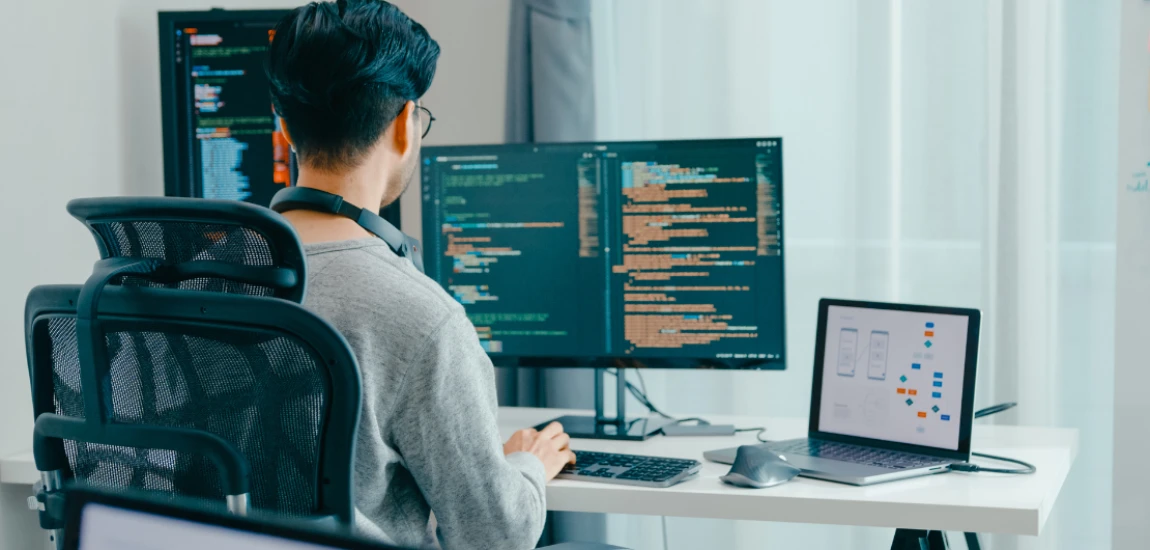
The concept of Cinematic Code represents a new frontier where generative tools, machine learning, and computational creativity merge to transform traditional filmmaking processes. Over the last decade, AI has shifted from a supportive background technology to a key creative partner capable of assisting writers, directors, editors, and even performers. Today’s AI models can generate realistic environments, produce storyboard animations, mimic lighting schemes, or help writers develop compelling plot structures—all based on simple prompts. This evolution signals a major shift in how films are conceived, produced, and refined.
Bridging Human Vision and Computational Power
Rather than replacing human creativity, generative filmmaking tools enhance and amplify it. Directors can now prototype scenes at a rapid pace, test different visual styles, or experiment with alternative character arcs without reshooting or overspending. Cinematic Code acts as a creative co-pilot—taking human imagination and expanding its possibilities through automation, simulation, and generative artistry. This collaborative synergy reduces time spent on technical limitations and increases the focus on conceptual and emotional storytelling.
Why Now Is a Turning Point
Several technological advances have converged to make the era of Cinematic Code possible: faster GPUs, multimodal AI systems, and improved generative models capable of producing high-quality visuals and coherent narratives. Additionally, the streaming boom has dramatically increased demand for content, urging filmmakers to accelerate workflows without compromising quality. As a result, studios, indie creators, and digital artists are embracing AI-driven filmmaking not as a novelty but as a practical and strategic asset. This moment represents a historic shift where technology doesn’t just support cinema—it actively participates in its creation.
Generative Scriptwriting: The New Frontier of Story Development

From Idea Generation to Full Script Drafts
One of the most transformative applications of Cinematic Code lies in the realm of generative scriptwriting. AI-driven tools can brainstorm story concepts, refine loglines, and assemble complete script drafts in minutes. Writers can input themes, emotions, or character prompts, and the system creates variations that inspire new directions. This doesn't eliminate the writer’s role—instead, it accelerates the process of discovery, reducing creative blocks and introducing new layers of narrative complexity.
Enhancing Character Development Through Data Patterns
Generative tools can analyse thousands of narrative patterns to help creators build rich, multidimensional characters. By understanding emotional arcs, psychological behavior, and genre conventions, Cinematic Code can suggest how a character might react in different scenarios or offer alternative motivations that make the narrative more compelling. This data-driven character modeling ensures that even complex ensembles maintain consistent personalities and believable development throughout the script.
Collaborative Story-Building With AI
Writers today often use AI tools as narrative collaborators—testing different climaxes, rearranging scene orders, or experimenting with pacing strategies. Cinematic Code enables creators to generate dynamic outlines, ensure thematic cohesion, and refine story logic. The result is a more polished draft in less time, with AI serving as both editor and creative partner. As generative scriptwriting continues to evolve, it has the potential to democratize storytelling by making professional-quality narratives accessible to creators at every skill level.
Visual Worldbuilding Through Generative Engines

Rapid Concept Art Creation
Visual development has historically been one of the most time-consuming stages in filmmaking. With Cinematic Code, directors and designers can generate high-fidelity concept art instantly—landscapes, costumes, props, and atmospheric details that would normally take days to paint. These generative engines allow for quick iteration, helping filmmakers explore multiple visual directions before choosing the strongest identity for the film.
Building Immersive Worlds With AI
Generative tools can simulate entire worlds—urban cities, alien planets, historical settings, or stylized dreamscapes—based on textual or visual cues. Worldbuilding becomes more accessible, even for small teams. Filmmakers can preview lighting effects, weather systems, architectural styles, and texture variations without physically constructing sets or hiring large VFX teams. This not only speeds up production but also enhances creative confidence, as creators can visualize complex settings before investing in full-scale rendering or practical set building.
Streamlining Pre-Visualization for Directors
Pre-viz is essential for planning cinematography, blocking, and pacing. Cinematic Code transforms this step by generating 3D animatics or virtual scene prototypes directly from script descriptions. Directors can adjust camera angles, movements, and lighting in real time, refining the emotional tone of each sequence. These AI-driven previews reduce miscommunication between departments and ensure that every person involved in the production shares the same visual reference, leading to more efficient shooting schedules and fewer on-set surprises.
Generative Editing and Post-Production Workflows

Automated Rough Cuts and Timeline Organization
One of the most powerful impacts of Cinematic Code is in editing. Generative editing tools can automatically assemble rough cuts based on script references or director notes. They analyse performance quality, facial expressions, audio clarity, and scene continuity to propose intelligent clip selections. This allows editors to skip hours of manual sorting and immediately begin working with structured timelines that align with the narrative intent.
Enhancing Sound, Color, and Visual Effects
AI-driven tools can perform automatic scene matching, color grading, and audio balancing. They can analyze stylistic preferences—perhaps referencing specific films—and apply those aesthetics consistently across the footage. For VFX-heavy films, generative systems can pre-render CGI elements, upscale resolution, remove noise, or replace backgrounds. This greatly reduces the workload for post-production teams and ensures that each element aligns stylistically without requiring extensive manual adjustments.
Real-Time Creative Experimentation
Perhaps the most exciting aspect is the ability to experiment in real time. Editors can test alternative sequences, play with pacing, or apply stylistic filters at the click of a button. Cinematic Code empowers creators to instantaneously explore multiple creative paths, making editing a more fluid and imaginative process. This capability enhances storytelling precision—ensuring every cut, transition, and shape of emotion supports the overall vision.
AI-Assisted Performance: Digital Actors, Doubles, and Voice Models

Digital Doubles and Synthetic Actors
AI-generated digital actors have become a critical component of modern filmmaking, especially in action, fantasy, and science fiction. Cinematic Code allows creators to build digital doubles for stunt scenes, de-aging shots, or scenes requiring physical precision. Synthetic actors can represent historical figures, create entirely fictional beings, or act as background extras in large crowd shots—reducing costs while maintaining visual richness.
Voice Synthesis for Dialogue and ADR
Generative voice models can replicate actors’ voices or create entirely new vocal identities. These tools help streamline automated dialogue replacement (ADR), allowing for cleaner audio without requiring actors to re-record in studio environments. Voice synthesis also opens creative possibilities for animated films, enabling instant prototypes of character voices before final casting decisions are made.
Performance Enhancement Through AI
Using motion-learning algorithms, Cinematic Code can refine choreography, smooth out action sequences, or match facial expressions to emotional cues. AI-enhanced performance allows filmmakers to preserve the authenticity of actors’ work while enhancing realism, consistency, and emotional depth. This blend of human nuance and computational precision marks a defining chapter in the evolution of on-screen storytelling.


Gilbert Ott, the man behind "God Save the Points," specializes in travel deals and luxury travel. He provides expert advice on utilizing rewards and finding travel discounts.
Gilbert Ott

Prev Post

Next Post