
Behind the Scenes of Film & TV Production
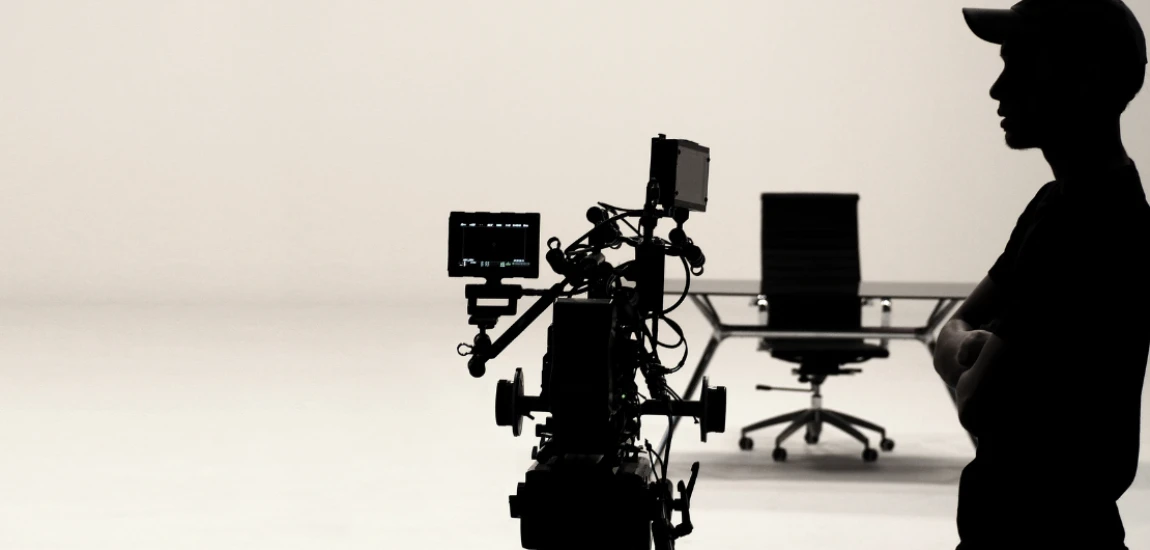
Every film or television series begins long before cameras roll. While audiences experience a seamless final product, the reality behind the scenes is a layered process involving months of planning, collaboration, and problem-solving. Behind the scenes of film and TV production, every decision—creative or logistical—shapes the final result.
Modern productions are more complex than ever. Streaming schedules, global crews, advanced technology, and tight deadlines demand precision at every stage. Even small miscalculations can lead to delays, budget overruns, or continuity errors. As a result, behind-the-scenes workflows have become as important as the story itself.
Understanding how film and TV production works provides insight into why collaboration matters, why preparation is critical, and why filmmaking is considered one of the most demanding creative industries in the world.
Pre-Production: Planning the Vision

Script Development and Creative Alignment
Pre-production begins with refining the script. Writers, producers, and directors collaborate to strengthen structure, dialogue, pacing, and character arcs. Multiple drafts are common, with adjustments made based on budget constraints, casting availability, or creative feedback. This stage ensures the story is emotionally and structurally sound before production begins.
Budgeting, Scheduling, and Logistics
Once the script is approved, producers break it down line by line to estimate costs. Budgets cover everything from locations and equipment to meals and insurance. Scheduling determines the shooting order, often prioritizing location availability or actor schedules rather than narrative sequence. Careful planning here prevents costly delays later.
Casting and Location Scouting
Casting shapes the emotional core of the project. Casting directors audition talent, considering chemistry, physicality, and emotional range. At the same time, location scouts search for environments that visually match the story while remaining practical for filming. Permits, accessibility, and weather all factor into final decisions.
Pre-production is the blueprint phase—strong preparation dramatically increases production efficiency and creative clarity.
Production Design and Visual Worldbuilding

Sets, Props, and Costumes
Production designers create the physical world of the story. Every set, prop, and costume communicates information about time, culture, personality, and mood. Even background details are intentional, supporting realism and storytelling without drawing attention away from the actors.
Visual Consistency and Symbolism
Design choices are rarely random. Color schemes may reflect emotional shifts, power dynamics, or character development. A character’s costume evolution, for example, can subtly signal growth, decline, or transformation over time.
Collaboration With Camera and Lighting
Production design must align with cinematography. Set dimensions, textures, and colors are planned to interact effectively with lighting and camera movement. Close coordination ensures that visuals enhance storytelling rather than complicate filming.
This stage ensures the story world feels cohesive, believable, and emotionally immersive.
Cinematography and Camera Work

Visual Storytelling Through Framing
Cinematographers use framing and composition to guide audience focus. Wide shots establish space and scale, while close-ups emphasize emotion and internal conflict. Every shot choice influences how viewers interpret a scene.
Lighting as Narrative Language
Lighting is a powerful storytelling tool. Soft lighting can convey intimacy or safety, while harsh shadows create tension or uncertainty. Lighting designs often evolve across the story to reflect changing emotional states.
Technology Serving Creativity
Modern productions use advanced cameras, lenses, drones, and stabilization systems. However, technology is always in service of story. The goal is not technical perfection, but emotional clarity and visual coherence.
Cinematography transforms abstract ideas into visual language audiences instinctively understand.
Directing and Performance Management

Shaping Authentic Performances
Directors guide actors through emotional beats, motivations, and character relationships. Because scenes are often filmed out of order, directors ensure emotional continuity and performance consistency throughout the shoot.
Leadership and Creative Decision-Making
Directors balance vision with collaboration. They make final creative calls while remaining open to suggestions from department heads. Strong leadership keeps productions focused without stifling creativity.
Managing Time, Energy, and Pressure
Film sets are high-pressure environments. Directors must manage time efficiently while maintaining morale. Clear communication and adaptability are essential to keeping performances strong across long shooting days.
Behind the scenes, directing is as much about human management as artistic control.
Sound, Music, and Audio Design

Capturing Clean Dialogue
Production sound teams record dialogue on set using boom microphones and wireless systems. Environmental noise, movement, and location challenges make clean audio capture a constant challenge.
Foley and Sound Effects
Many sounds heard in films are recreated in post-production. Foley artists replicate footsteps, fabric movement, and object interactions to enhance realism and immersion.
Music and Emotional Storytelling
Music reinforces emotional beats, pacing, and theme. Composers collaborate with directors to create scores that enhance the story without overwhelming it, often becoming inseparable from the viewing experience.
Sound design shapes how audiences feel, often more powerfully than visuals alone.


Ben Schlappig runs "One Mile at a Time," focusing on aviation and frequent flying. He offers insights on maximizing travel points, airline reviews, and industry news.
Ben Schlappig

Prev Post

Next Post