
Avatar Identity: Why We’re Living Through a Virtual Character Boom
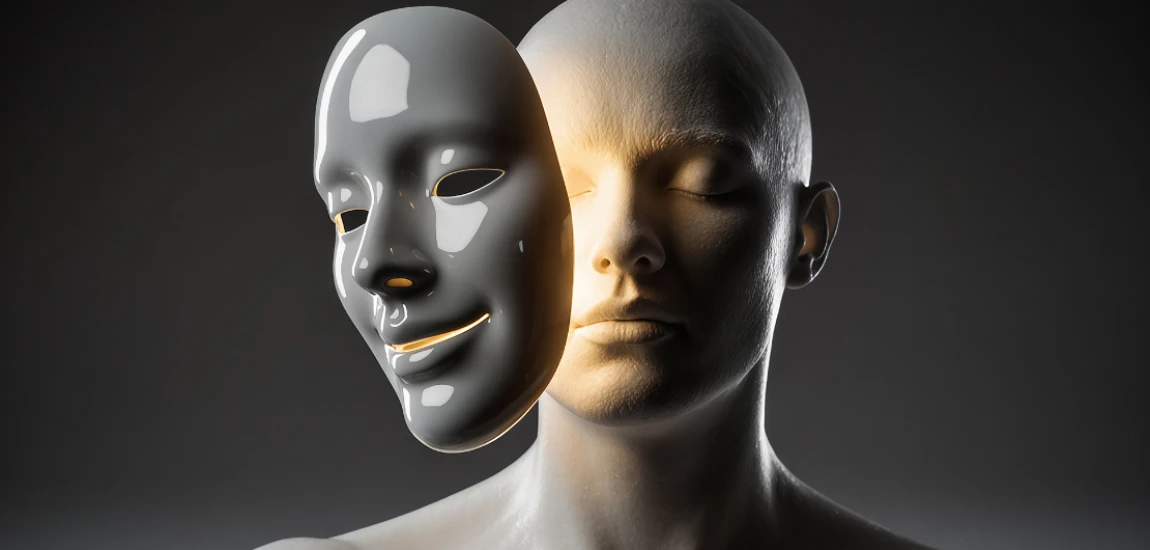
Why Virtual Characters Suddenly Feel More “Real”
The concept of avatar identity has existed for decades—gamers have long used characters to represent themselves in virtual worlds. But what’s new in 2025 is the scale, sophistication, and cultural visibility of these digital selves. Thanks to advanced AI tools, hyper-real graphics, and social platforms centered on virtual expression, avatars now look, move, and behave like fully formed characters with unique storylines. They are no longer limited to gaming environments; they appear in livestreams, marketing campaigns, virtual concerts, educational spaces, and even workplaces. As realism and customization expand, these avatars take on lives beyond their creators—becoming recognizable figures in digital culture.
How Social Platforms Made Avatars Mainstream
Apps like TikTok, Roblox, Fortnite, Zepeto, Meta Horizons, and Snapchat have massively accelerated the avatar boom. These platforms encourage users to build virtual versions of themselves—or entirely new fictional alter egos—allowing people to navigate digital worlds without constraints. Social networks reward creativity, visual storytelling, and character-building, giving avatars more visibility than ever before. Many users now have multiple online personas: a professional LinkedIn identity, a casual Instagram identity, and one or more avatar-based identities used to interact playfully or creatively in virtual spaces. This multi-layered self-expression makes avatars not just an accessory but a key part of modern identity.
The Cultural Shift Toward Digital Selfhood
Today’s users see identity as fluid, adaptable, and dynamic. Avatars reflect this shift. Instead of depicting who we are, they allow us to explore who we could be. Whether it's through magical abilities, idealized versions of ourselves, futuristic characters, or stylized creatures, avatars offer a safe arena for experimentation. This explains why people increasingly spend more time interacting in virtual environments than physical ones. The rise of avatar identity signals a broader cultural transformation toward digital-first selfhood—one driven by creativity, anonymity, empowerment, and freedom.
Psychological Drivers Behind the Virtual Character Boom

Avatars as Tools for Exploration and Identity Testing
Identity is no longer confined to physical appearance, age, or background. Avatars allow users to test different versions of themselves—trying out new aesthetics, personalities, or even emotional states. Psychologists call this identity experimentation, a natural part of human behavior that becomes easier and safer online. For people who experience social anxiety, creative limitations, or restrictive cultural norms, avatars offer an outlet for expression without fear of judgment or consequence.
The Emotional Comfort of Digital Distance
Avatars also provide emotional distance, which encourages honesty and vulnerability. When people interact through a virtual character, they often feel more confident expressing thoughts, desires, or humor they might suppress in real life. This disconnection acts as a psychological shield while also enabling authentic communication. For many, avatar identity becomes a healthier way to navigate social spaces, reducing the pressure that typically comes with physical presence and appearance.
Building Parasoical Connections With Avatar Creators
Fans and communities form deep parasocial relationships not only with human creators but also with virtual characters—many of which have their own personalities, backstories, and digital influence. Virtual YouTubers (VTubers), digital idols, AI influencers, and fictional avatars all foster emotional engagement. Users connect with these characters as if they were real people, proving that emotional investment is not tied to physical bodies but to personality and presence. This emotional resonance is one of the key drivers behind the avatar boom.
How AI, AR, and Next-Gen Technologies Fuel the Boom

AI-Driven Avatars That Adapt and Evolve
AI is the single biggest accelerator of the virtual character phenomenon. Today’s AI-powered avatars can hold conversations, respond dynamically, mimic facial expressions, and generate unique content. These digital characters can even evolve over time, learning from user interactions and creating personalized experiences. This turns static avatars into dynamic, emotionally responsive companions, influencers, or storytellers. As AI models grow more sophisticated, the boundary between human and virtual identity continues to blur.
Augmented Reality Bringing Avatars Into the Real World
AR technology allows avatars to step out of screens and into physical environments. Snapchat lenses, AR glasses, and mobile cameras overlay virtual identities onto real-world backdrops. Users can film videos, attend events, collaborate, or socialize as their avatars. This merging of physical and digital worlds transforms avatar identity into an everyday experience, not just a gaming or niche community phenomenon. It’s a seamless blending of fiction and reality.
Virtual Worlds Creating New Social Ecosystems
Platforms like Roblox, Fortnite, VRChat, and Horizon Worlds are not just games—they are virtual societies. Users gather as avatars to attend concerts, watch movie trailers, shop, learn, or even work. These digital ecosystems have become “third places” where people socialize without the boundaries of physical geography. The more immersive these worlds become, the more invested users feel in their virtual identities. This explains why avatar-based platforms continue to attract millions of daily active users who spend hours building, customizing, and inhabiting their digital selves.
Avatars as the New Influencers: The Digital Creator Economy

The Rise of Virtual Influencers and Brands
Virtual influencers—some fully AI-generated, others creator-controlled—are becoming dominant forces in marketing, branding, and storytelling. Characters like Lil Miquela, Imma, Kizuna AI, Hatsune Miku, and FN Meka have millions of followers and collaborate with major brands. Companies prefer virtual influencers because they are predictable, controllable, and perfectly aligned with brand aesthetics. They don’t age, get tired, or face scandals. They represent the ideal form of digital continuity.
A New Revenue Model for Creators
Content creators are adopting avatar identities to expand their reach, protect their privacy, and unlock multiple revenue streams. VTubers earn through livestreams, merch, brand deals, memberships, digital concerts, and fan events—all powered by virtual personas. By separating personal identity from avatar identity, creators can maintain anonymity while still building high-value brands. This new creator economy thrives on characters, not just people.
Why Audiences Love Avatar Influencers
Audiences appreciate the consistency, creativity, and uniqueness of avatar influencers. They can inhabit fantastical worlds, perform superhuman actions, or express exaggerated emotions in ways no human creator can. This makes them highly entertaining and endlessly flexible. Whether animated by humans or AI, their personalities feel real enough to build authentic connections, while still offering the escape and novelty of fiction.
How Avatars Transform Communication, Community, and Culture

Avatars as Social Icebreakers and Identity Shields
In digital spaces, avatars reduce social pressure. People feel more comfortable engaging in large virtual rooms when represented by characters that feel expressive yet protective. Avatars eliminate the anxiety tied to appearance, social status, or physical presence, making communication more accessible. This has led to more vibrant, active communities where people socialize freely, discuss shared interests, and collaborate creatively.
New Aesthetics, Fashion, and Cultural Subgenres
Avatar identity has inspired entirely new aesthetics—from cybercore to kawaii avatars, anime-inspired designs, futuristic warriors, soft-girl looks, and hyper-stylized fantasy characters. Digital fashion brands now release clothing lines exclusively for avatars, and many users invest heavily in customizing their look. These stylistic trends often spill into real-world fashion, influencing color palettes, makeup styles, accessories, and storytelling aesthetics.
The Role of Avatars in Global Fandom and Digital Belonging
Communities built around avatars are deeply loyal and highly interactive. Fans create art, memes, edits, songs, fanfiction, and remixes, contributing to massive fandom ecosystems. Avatar identity becomes a shared language—something people recognize, celebrate, and rally around. These fandoms drive digital movements, cultural moments, and viral trends faster than any physical celebrity community. They redefine what it means to belong in the digital age.
The Future of Avatar Identity and the Virtual Character Ecosystem

The Growth of the Metaverse and Persistent Avatars
The metaverse may still be evolving, but its long-term direction is clear: persistent avatars that move across platforms, apps, and virtual environments. As more companies adopt interoperable identity systems, users will carry their avatar identity across digital worlds just like a passport. This continuity deepens emotional investment and strengthens the bond between user and avatar.
Personal AI Avatars as Digital Extensions of Ourselves
In the near future, personal AI avatars will act as assistants, companions, co-creators, and even stand-ins for meetings, social events, or content creation. These avatars will learn a user’s personality, preferences, style, and communication patterns—becoming digital extensions of the self. This could redefine everything from education to entertainment to work-life integration.
A Blended Reality Where Avatars and Humans Coexist
As AR, VR, and AI continue to merge, the boundary between human and avatar identity will dissolve even further. We will likely see hybrid identities: people who express themselves simultaneously through physical presence and virtual representation. This blending of realities will shape new cultural norms, new forms of storytelling, and new modes of self-expression. The future isn’t just digital—it’s avatar-first.


Kate McCulley, the voice behind "Adventurous Kate," provides travel advice tailored for women. Her blog encourages safe and adventurous travel for female readers.
Kate McCulley

Prev Post
Next Post