
AI Voice Cloning in Music: Innovation or Imitation?
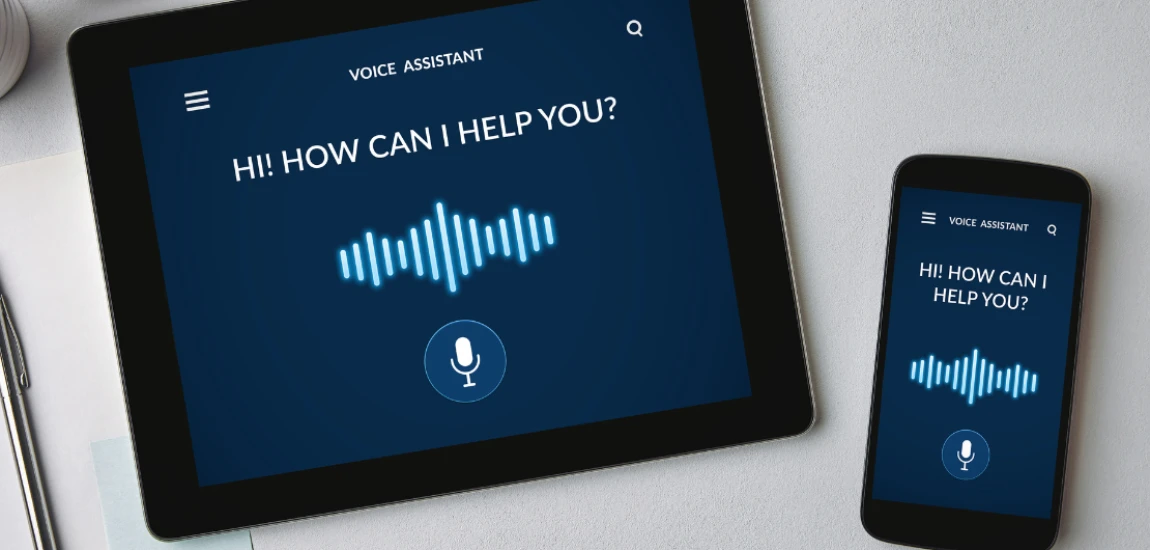
Artificial intelligence is no longer a futuristic concept — it’s a creative tool reshaping how we make, produce, and experience music. AI voice cloning in music is one of the most controversial yet fascinating innovations of our time. By using machine learning to analyze, replicate, and generate vocal tones, AI can now mimic a singer’s voice with startling accuracy.
What Is AI Voice Cloning?
AI voice cloning uses deep learning algorithms trained on hours of vocal data. These systems learn the nuances of pitch, tone, and emotion in a human voice, allowing them to create synthetic vocals that sound indistinguishable from the original singer. Tools like OpenAI’s Jukebox, Meta’s Voicebox, and independent platforms such as Voicify or Kits.AI are already leading the charge.
The Changing Creative Process
Voice cloning enables artists and producers to experiment without physical limitations. Musicians can generate harmonies, remix vocals, or even “collaborate” with deceased artists. For many, this represents a new frontier in sound design — one where creativity is driven by both human imagination and algorithmic precision.
Why the Music World Is Divided
While some hail it as a revolutionary tool democratizing creativity, others see it as a threat to authenticity, artistry, and fair compensation. The technology raises pressing ethical and legal questions: Who owns an AI-generated voice? Can someone’s voice be replicated without consent? These questions are shaping the ongoing debate around innovation versus imitation in modern music.
The Technology Behind AI-Generated Voices

Behind the sleek interfaces and viral AI tracks lies complex technology rooted in deep neural networks and natural language processing. These systems analyze not only what a singer sounds like but how they sing — including breath control, phrasing, and emotion.
Deep Learning and Data Training
AI models require extensive vocal datasets to understand how different voices behave across genres and emotional contexts. The more diverse the data, the more realistic the cloned voice becomes. This is why artists with large digital footprints — like Ariana Grande or Drake — often become the most “cloned” online.
Text-to-Speech Meets Music Production
Early AI voice systems focused on text-to-speech, but recent innovations integrate musical intelligence. AI can now adjust pitch, vibrato, and rhythm in sync with instrumentals. It doesn’t just copy a singer’s voice; it adapts it to different moods, tempos, and lyrics.
The Role of AI in Production Workflows
Music producers are already embedding AI voice tools into their workflows. From quick demo vocals to background harmonies, AI can reduce costs and accelerate production. What once took days in a studio can now be achieved in minutes with high-quality output — transforming both indie and mainstream production pipelines.
The Creative Possibilities: Innovation Through Imitation?

Despite the controversy, AI voice cloning opens exciting creative opportunities. When used ethically, it can expand musical imagination, preserve voices, and redefine collaboration in ways that were previously impossible.
Expanding Musical Horizons
Artists are using AI to experiment with styles and vocal textures outside their natural range. A pop singer can test how their song might sound in a blues tone, or a hip-hop artist can generate robotic harmonies to create futuristic soundscapes.
Virtual Collaborations and Posthumous Performances
AI voice cloning enables collaborations that defy time and space. Imagine Freddie Mercury singing a Billie Eilish song, or a posthumous duet featuring Amy Winehouse and a modern artist — all recreated with AI precision. While these examples blur ethical lines, they also demonstrate the potential of technology to preserve and reimagine musical legacies.
Empowering Independent Artists
For indie musicians without the resources of big studios, AI voice cloning levels the playing field. It allows small creators to produce professional-quality tracks, experiment with different vocal identities, and find unique sonic signatures without hiring expensive vocalists. This democratization of sound could lead to a new wave of innovation in underground and digital-first music scenes.
Ethical and Legal Dilemmas: When Does Innovation Cross the Line?

The biggest challenge surrounding AI voice cloning isn’t technical — it’s ethical. As voice cloning becomes more realistic, the boundaries of consent, authorship, and originality are increasingly blurred.
Ownership and Consent
Who owns an AI-generated voice? If an artist’s voice is cloned without permission, is that theft or tribute? The answer remains murky. Legal frameworks haven’t yet caught up with technology, leading to gray areas in copyright and personal rights. Some artists, like Drake and The Weeknd, have publicly denounced AI tracks mimicking their voices, while others like Grimes have embraced it — even offering revenue-sharing for AI songs using her likeness.
Authenticity and Emotional Truth
Music isn’t just sound — it’s emotion, story, and lived experience. Critics argue that AI-generated vocals, no matter how convincing, lack the emotional depth of human performance. The soul of music lies in imperfection, and AI risks erasing that humanity by creating technically flawless but emotionally hollow art.
Deepfakes and Misuse
AI voice cloning can easily be weaponized. From fake political speeches to fraudulent songs, voice deepfakes threaten not only musicians but also public trust. Without strict ethical guidelines and verification systems, the misuse potential is vast. The same technology that allows creative collaboration could also enable identity theft and misinformation.
The Future of AI Voice Cloning: Co-Creation or Competition?

As the technology matures, the music industry faces a choice: fight against AI voice cloning or embrace it as a new creative partner. The outcome will depend on how artists, policymakers, and platforms navigate this delicate balance between innovation and imitation.
Toward Ethical Integration
The solution may lie in transparency and consent. Platforms could implement digital watermarking to identify AI-generated vocals or require proof of permission when cloning celebrity voices. Such systems would help legitimize AI as a creative collaborator rather than a legal or moral hazard.
Human-AI Collaboration
The future of music may not be about replacing humans but enhancing them. Imagine songwriters using AI-generated voices to test new melodies, or producers fine-tuning AI vocals to blend seamlessly with human singers. In this vision, AI becomes an extension of human creativity — not a replacement for it.
Redefining Creativity
AI voice cloning challenges traditional definitions of originality. If a machine can generate a voice identical to a superstar’s, does that diminish human artistry or expand it? The debate echoes historical anxieties about every major musical innovation — from synthesizers to autotune. Yet each time, music has adapted and evolved. AI will likely be no different: a disruptive tool that reshapes art, not destroys it.


Dave Lee runs "GoBackpacking," a blog that blends travel stories with how-to guides. He aims to inspire backpackers and offer them practical advice.
Dave Lee

Prev Post
Next Post